Unearthing the Depths: A Comprehensive Guide to the First-Person Dungeon Crawler Genre
Fast answer first. Then use the tabs or video for more detail.
- Watch the video explanation below for a faster overview.
- Game mechanics may change with updates or patches.
- Use this block to get the short answer without scrolling the whole page.
- Read the FAQ section if the article has one.
- Use the table of contents to jump straight to the detailed section you need.
- Watch the video first, then skim the article for specifics.
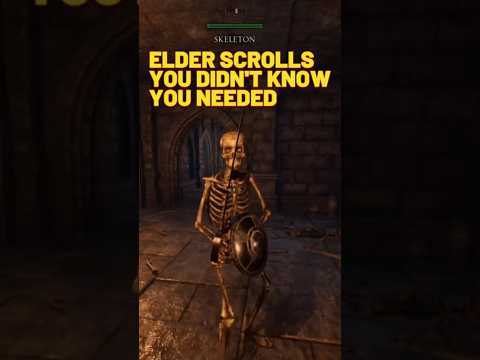
The first-person dungeon crawler genre, at its core, places the player directly into the eyes of an adventurer (or a party of adventurers) as they navigate perilous environments, typically dungeons, mazes, or other enclosed spaces. A defining characteristic is the first-person perspective, providing a visceral sense of immersion. Historically, these games often feature grid-based movement, where characters move in discrete steps, and combat usually involves turn-based or real-time-with-pause mechanics emphasizing strategic decision-making. While graphics have evolved dramatically, the essence remains: explore, fight monsters, find treasure, and level up, all while experiencing the dungeon from a deeply personal viewpoint.
Delving Deeper: Hallmarks of the Genre
Beyond the basic definition, several elements commonly appear within first-person dungeon crawlers:
- Party-Based Gameplay: Many titles allow the player to control an entire party of characters, each with unique skills and abilities. This necessitates strategic party composition and tactical combat maneuvers.
- Grid-Based Movement: While not universally present in modern iterations, the classic implementation involves moving on a literal grid. This adds a layer of spatial awareness and strategic positioning to exploration and combat.
- Dungeon Design: The dungeons themselves are often intricate labyrinths filled with traps, puzzles, and hidden areas. Exploration is paramount, and mapping skills can be crucial for survival.
- Combat System: Combat systems vary, ranging from turn-based encounters that emphasize tactical decisions to real-time-with-pause systems allowing for strategic control during the heat of battle.
- Character Progression: Leveling up, acquiring new skills and spells, and equipping better gear are fundamental elements. This allows for character customization and a sense of continuous improvement.
- Resource Management: Managing inventory, health, mana, and other resources is often vital. Limited supplies add tension and encourage careful planning.
- Atmosphere and Story: While gameplay is often the primary focus, many games feature rich lore, compelling narratives, and immersive atmospheres that draw players deeper into the dungeon’s depths.
A Historical Perspective: From Wizardry to the Modern Era
The genre’s roots can be traced back to the early days of computer RPGs with titles like Wizardry (1981), The Bard’s Tale (1985), and Might and Magic (1986). These games established many of the conventions that define the genre, including party-based gameplay, grid-based movement, and challenging dungeon designs.
The genre experienced a resurgence in the late 2000s and early 2010s with titles like Etrian Odyssey (2007), which brought a unique focus on mapping and exploration, and modern takes on classic series. This revitalization demonstrated the enduring appeal of the first-person dungeon crawler formula.
Today, the genre continues to evolve, with developers experimenting with new mechanics, graphical styles, and storytelling approaches while retaining the core elements that make these games so engaging.
The Enduring Appeal: Why We Crawl
Despite changes in gaming trends, the first-person dungeon crawler remains popular for many reasons:
- Immersion: The first-person perspective creates a unique sense of presence, making players feel truly immersed in the dungeon environment.
- Strategic Depth: Complex combat systems and intricate dungeon designs reward careful planning and tactical thinking.
- Character Customization: The ability to create and develop a party of unique characters appeals to players who enjoy building and optimizing their teams.
- Exploration and Discovery: The thrill of uncovering hidden secrets, solving puzzles, and finding valuable loot is a major draw.
- Nostalgia: For many gamers, these games evoke a sense of nostalgia for the classic era of computer RPGs.
FAQs: Unraveling the Mysteries of the Dungeon
Q1: Is Zelda considered a dungeon crawler?
While The Legend of Zelda features dungeons as a core element, it is generally classified as an action-adventure game rather than a pure dungeon crawler. Zelda games typically emphasize open-world exploration, puzzle-solving, and action-oriented combat, whereas dungeon crawlers prioritize dungeon exploration, character building, and strategic combat within the confines of enclosed spaces.
Q2: Is “dungeon crawl” simply a generalized term for any game with dungeons?
No, “dungeon crawl” is a specific subgenre of RPGs and related games. While any game can feature dungeons, a “dungeon crawler” emphasizes the core loop of exploring dungeons, fighting monsters, and acquiring loot as its primary gameplay mechanic.
Q3: What is Dungeon Crawl Classics D&D?
Dungeon Crawl Classics (DCC) is a tabletop role-playing game and a series of adventure modules for Dungeons & Dragons (D&D) editions. These modules are designed to evoke the feel of classic, old-school dungeon crawls, with a focus on challenging encounters, unpredictable events, and a high degree of player agency.
Q4: Is Diablo 4 a dungeon crawler?
Diablo 4 is widely considered a dungeon crawler action RPG. It fits the genre’s description by emphasizing dungeon exploration, combat, and loot acquisition. While it features a larger open world than previous entries, its core gameplay loop remains focused on delving into dungeons and battling hordes of enemies.
Q5: Is Dark Souls a dungeon crawler?
Dark Souls blends elements of action RPGs and Metroidvanias with intricate level design and challenging combat. Although the series has dungeons, it is not considered a dungeon crawler.
Q6: Is Dragon Age a dungeon crawler?
While the Dragon Age series features dungeons, the main focus is on its storytelling and character-driven narrative. Certain parts of Dragon Age: Inquisition include a multiplayer mode described as having a “dungeon crawling experience”.
Q7: Is Demon’s Souls a dungeon crawler?
Like Dark Souls, Demon’s Souls features dungeons. These games combine action RPGs and Metroidvanias, however, it is not considered a dungeon crawler.
Q8: What defines the “dark” aspect that’s often mentioned with dungeon crawlers?
The “dark” aspect often refers to a gritty, bleak, or horror-infused atmosphere. This can manifest in challenging difficulty, morally ambiguous choices, and grotesque enemy designs. This can be compared to horror movies, where they are usually made better by light areas.
Q9: What makes a dungeon crawler addictive?
Several factors contribute to the addictiveness of dungeon crawlers:
- The Reward Loop: Constantly finding new loot, leveling up, and improving characters creates a satisfying sense of progression.
- Challenging Gameplay: Overcoming difficult encounters and mastering complex systems provides a sense of accomplishment.
- Exploration and Discovery: The desire to uncover hidden secrets and explore every corner of the dungeon keeps players engaged.
- Customization: Building and optimizing characters allows players to express their creativity and strategic thinking.
Q10: What are the hardest classes to play in D&D, and how does that relate to first-person dungeon crawlers?
The difficulty of classes in D&D often stems from their complexity in managing resources, spells, or tactical positioning. Classes like Warlocks, Sorcerers, and Druids are often listed as difficult for various reasons. The classes in D&D are reflected in first-person dungeon crawlers.
Q11: What is the difference between a hexcrawl and a dungeon crawl?
A dungeon crawl involves exploring a confined space, like a dungeon, typically represented as a grid of squares. A hexcrawl involves exploring a larger outdoor environment, typically represented as a map of hexagonal shapes (hexes).
Q12: What are some of the hardest D&D campaigns to run, and why is this relevant to the dungeon crawler genre?
Campaigns like Out of the Abyss, Descent Into Avernus, and Dungeon of the Mad Mage are considered difficult for their complexity and demanding nature. These campaigns often test the skills of both the dungeon master and the players involved. These types of D&D campaigns test the skills of a dungeon crawler.
Q13: What genre is The Legend of Zelda?
The Legend of Zelda is an action-adventure game developed and published by Nintendo.
Q14: What is the Mystery Dungeon series, and why is it often associated with dungeon crawlers?
The Mystery Dungeon series is a spin-off of popular RPG franchises like Pokémon and Chocobo. These games are roguelikes, meaning that the dungeons are randomly generated each time the player enters. Players get to crawl through new dungeons every time they play.
Q15: Where can I learn more about the educational applications of games?
To explore the intersection of games and learning, I recommend visiting the Games Learning Society website at https://www.gameslearningsociety.org/. This organization fosters research and collaboration in the field of game-based learning, offering valuable insights into how games can be used to enhance education and skill development. As GamesLearningSociety.org shows, there is a lot of educational benefits to games.
Emerging from the Depths: The Future of the Genre
The first-person dungeon crawler genre continues to adapt and evolve, incorporating modern design sensibilities and technological advancements. While the classics remain beloved, new titles are pushing the boundaries of what’s possible. Expect to see more innovative combat systems, procedurally generated dungeons, and enhanced storytelling approaches in the years to come. The dungeon awaits.