Understanding the Function of Caster: A Comprehensive Guide
Fast answer first. Then use the tabs or video for more detail.
- Watch the video explanation below for a faster overview.
- Game mechanics may change with updates or patches.
- Use this block to get the short answer without scrolling the whole page.
- Read the FAQ section if the article has one.
- Use the table of contents to jump straight to the detailed section you need.
- Watch the video first, then skim the article for specifics.
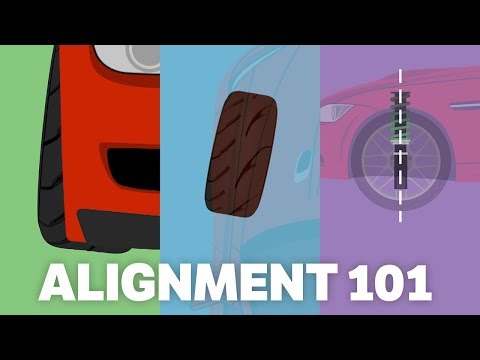
The primary function of caster is to promote straight-line stability and improve steering feel in a vehicle. It achieves this by influencing how the front wheels react to steering input and road conditions, essentially helping the vehicle self-center the steering wheel after a turn and maintain a stable direction. In simpler terms, caster ensures your car wants to go straight and makes steering predictable.
Delving Deeper: How Caster Works
Caster, in automotive terms, refers to the angle created by the steering pivot axis relative to the vertical axis when viewed from the side of the vehicle. Imagine a line running through the upper and lower ball joints (or strut mount and lower ball joint) on your front suspension. Caster is the angle of that line compared to a perfectly vertical line. This angle is typically measured in degrees and can be positive, negative, or neutral.
-
Positive Caster: The steering axis tilts backwards towards the rear of the vehicle at the top. This is the most common and preferred setup because it provides the best straight-line stability and steering feel.
-
Negative Caster: The steering axis tilts forwards towards the front of the vehicle at the top. This can lead to lighter steering but also increased instability and a tendency to wander.
-
Neutral Caster: The steering axis is perfectly vertical. This offers minimal self-centering and can result in vague steering.
The beauty of caster lies in its effect on the steering. When the wheels are turned, positive caster causes the front of the vehicle to rise slightly. This creates a force that naturally wants to return the wheels to the straight-ahead position. Think of it like a shopping cart wheel – the point where the wheel connects to the cart is ahead of the wheel’s axle, creating a positive caster effect.
The Importance of Proper Caster Alignment
Maintaining the correct caster angle, as specified by the vehicle manufacturer, is crucial for optimal handling and safety. Misaligned caster can lead to a variety of issues, including:
-
Pulling: If the caster angle is significantly different between the left and right front wheels, the vehicle will tend to pull towards the side with less positive (or more negative) caster.
-
Wandering: Insufficient caster can cause the vehicle to wander or drift, requiring constant steering corrections to maintain a straight course.
-
Heavy Steering: Excessive positive caster can make the steering feel heavy and difficult, especially at low speeds.
-
Steering Wheel Kickback: Too much positive caster can also cause the steering wheel to kick back or vibrate when encountering bumps or uneven road surfaces.
While caster doesn’t directly cause tire wear, its impact on handling can indirectly contribute to uneven wear if the driver is constantly correcting for pulling or wandering. Proper wheel alignment, including caster adjustment, is an essential part of vehicle maintenance.
Frequently Asked Questions (FAQs) About Caster
1. What is the difference between caster, camber, and toe?
Caster, camber, and toe are three distinct angles that describe the alignment of a vehicle’s wheels.
-
Caster, as described above, affects steering feel and straight-line stability.
-
Camber is the angle of the wheel relative to the vertical axis when viewed from the front. It affects tire wear and handling.
-
Toe is the angle of the wheels relative to each other when viewed from above. It also affects tire wear and handling.
2. How does caster affect steering effort?
Positive caster generally increases steering effort, while negative caster reduces it. However, excessive positive caster can make steering too heavy, while excessive negative caster can make it too light and unstable.
3. Will incorrect caster cause tire wear?
Caster itself doesn’t usually directly cause tire wear. However, if the caster is so far out of alignment that it causes the car to pull, the driver’s constant steering corrections to maintain a straight line can lead to uneven tire wear over time. Camber and toe are the primary alignment angles that impact tire wear.
4. How do I know if my caster is misaligned?
Symptoms of misaligned caster include pulling to one side, wandering or drifting, heavy steering, and steering wheel kickback. A professional alignment check is the best way to accurately diagnose caster issues.
5. Can lifting or lowering my vehicle affect caster?
Yes, modifications to the suspension, such as lifting or lowering the vehicle, can significantly affect caster angles. It’s crucial to have the alignment checked and adjusted after any suspension modifications.
6. Is caster adjustable on all vehicles?
Not all vehicles have adjustable caster. Some vehicles require special aftermarket components, such as caster shims or adjustable ball joints, to correct caster angles.
7. What is a “death wobble” and how is caster related to it?
The “death wobble” is a violent shaking of the front end, often experienced in vehicles with solid front axles, especially Jeeps. While several factors can contribute to death wobble, insufficient caster is often a contributing factor. Increasing positive caster can help stabilize the steering and reduce the likelihood of death wobble.
8. Does power steering affect how much caster I need?
Yes, vehicles with power steering can generally handle more positive caster than vehicles without power steering. This is because the power steering system assists the driver in overcoming the increased steering effort associated with higher caster angles.
9. How is caster measured?
Caster is measured using specialized alignment equipment that uses lasers or other sensors to determine the angle of the steering axis relative to the vertical axis.
10. Can I adjust caster myself?
Adjusting caster typically requires specialized tools and knowledge of vehicle suspension systems. It’s generally recommended to have caster adjusted by a qualified alignment technician.
11. What is the ideal caster angle for my vehicle?
The ideal caster angle varies depending on the vehicle make, model, and year. The vehicle manufacturer’s specifications should be consulted to determine the correct caster angle.
12. How often should I have my wheel alignment checked, including caster?
It is recommended to have a wheel alignment check performed every 12,000 miles or once a year, or whenever you notice symptoms of misalignment, such as pulling or uneven tire wear.
13. What are caster shims and how are they used?
Caster shims are small, wedge-shaped pieces of metal that are placed between the axle and the leaf spring (on vehicles with leaf spring suspensions) to adjust the caster angle.
14. What are caster/camber plates?
Caster/camber plates are aftermarket components that replace the factory strut mounts on vehicles with McPherson strut suspensions. These plates allow for adjustable caster and camber settings, providing greater control over wheel alignment.
15. Where can I learn more about vehicle mechanics?
You can explore numerous resources, including online forums, technical manuals, and vocational training programs. Consider joining communities such as the Games Learning Society to engage with other learners and experts. GamesLearningSociety.org provides a unique avenue for exploring mechanics concepts.
Caster is a vital component of vehicle alignment, influencing handling, stability, and overall driving experience. Understanding its function and importance is essential for maintaining a safe and enjoyable ride.