The Art of the Unbroken Take: Exploring the World of Longest Single Shots
Fast answer first. Then use the tabs or video for more detail.
- Watch the video explanation below for a faster overview.
- Game mechanics may change with updates or patches.
- Use this block to get the short answer without scrolling the whole page.
- Read the FAQ section if the article has one.
- Use the table of contents to jump straight to the detailed section you need.
- Watch the video first, then skim the article for specifics.
The longest single shot in a movie is a tricky question to answer definitively, as the record shifts and depends on how “shot” is defined (e.g., are digitally stitched segments still considered one shot?). However, Aleksandr Sokurov’s Russian Ark (2002) is widely recognized and celebrated for being filmed in one, unbroken, 96-minute single shot. It’s a phenomenal technical achievement that blends art, history, and cinema in a way few films have attempted. Other contenders exist, but Russian Ark remains a benchmark for ambition and execution in the realm of the uninterrupted cinematic gaze. This article will delve deeper into the world of longest single takes, exploring various examples, the challenges involved, and the artistic impact of this ambitious filmmaking technique.
Understanding the One-Shot Wonder
The “one-shot” or “long take” (also known as plan-sequence) isn’t just about length; it’s about creating a sense of immersion and real-time experience for the viewer. By eliminating cuts, filmmakers force audiences to actively participate in the unfolding drama, following characters and events within a continuous, unbroken timeframe. This requires meticulous planning, seamless choreography, and a degree of daring that few productions are willing to embrace. The challenge is immense, and the potential rewards, in terms of artistic impact and audience engagement, are equally significant.
The Magic Behind the Curtain: How Long Takes are Achieved
Pulling off a long take is an enormous undertaking. Here are some elements that go into making it:
1. Pre-Production Planning
Months, sometimes years, of planning are required. Every actor movement, camera position, lighting change, and set detail must be mapped out precisely.
2. Rehearsals, Rehearsals, Rehearsals
Actors need to know their marks and lines perfectly, and the camera operator becomes a dancer, moving seamlessly through the environment.
3. Technical Expertise
The camera and equipment need to be top-notch. A single mistake can ruin the entire shot, sending everyone back to square one.
4. Post-Production Polish
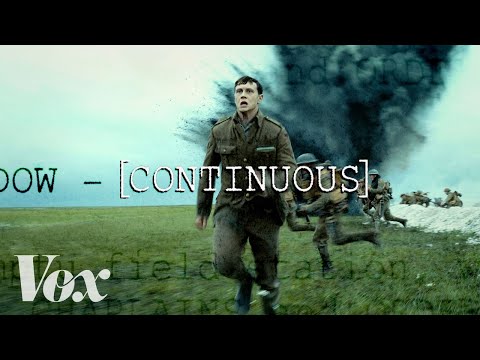
Even seemingly “unbroken” shots often involve digital stitching to seamlessly connect takes, allowing for slight resets or corrections. 1917, while presented as a one-shot, masterfully employs this technique.
The Allure of the One-Shot: Why Filmmakers Take the Plunge
Why go through all the trouble? The long take serves several important purposes:
-
Heightened Realism: Immerses the viewer in the scene, creating a sense of immediacy.
-
Emotional Impact: Builds tension and allows emotions to unfold organically, without the disruption of cuts.
-
Showmanship: Demonstrates technical prowess and artistic ambition.
-
Unique Perspective: Guides the audience through the narrative in a way that traditional editing cannot.
Beyond Russian Ark: Notable Long Takes in Film History
While Russian Ark holds the record for the longest single shot in a feature film, here are a few other exemplary examples that showcase the effectiveness of the long take:
- Goodfellas (1990): Scorsese’s iconic Copacabana sequence is a masterclass in building tension and establishing character.
- Touch of Evil (1958): Welles’ opening shot is a dazzling display of camera movement and narrative economy.
- Children of Men (2006): Cuarón uses long takes to create a visceral sense of chaos and despair.
- Birdman (2014): Iñárritu seamlessly stitches together several long takes to create the illusion of a single, unbroken narrative.
- Extraction 2 (2023): The exhilarating 21-minute prison escape sequence pushes the boundaries of action filmmaking and exemplifies the effective use of a long take to intensify the audience experience.
Frequently Asked Questions (FAQs) About Long Takes
1. What exactly defines a “single shot”?
A single shot is a continuous piece of filming, without any cuts or edits. However, some filmmakers use digital stitching to seamlessly join multiple takes, creating the illusion of a single shot.
2. Is 1917 really shot in one take?
No. While 1917 appears to be a single, continuous shot, it’s actually composed of numerous tracking shots skillfully stitched together in post-production. This technique allowed the filmmakers to maintain the visual impact of a long take while still allowing for resets and corrections.
3. How long was the longest shot in 1917?
The longest single continuous shot in 1917 was approximately 8 1/2 minutes long.
4. What are the biggest challenges in filming a long take?
The challenges are numerous and include: perfect actor performances, precise camera movements, flawless technical execution (lighting, sound, etc.), and the immense pressure of getting everything right in a single take.
5. What is the point of using long takes in a film?
Long takes can enhance realism, build tension, immerse the audience, and demonstrate technical skill. They also allow filmmakers to control the audience’s focus and guide them through the narrative in a unique way.
6. What’s the difference between a long take and a tracking shot?
A long take is any uninterrupted shot of significant length. A tracking shot is a specific type of long take where the camera follows a moving subject. Not all long takes are tracking shots, but all tracking shots are long takes.
7. Has CGI made long takes easier to achieve?
Yes, CGI can be used to digitally remove imperfections, stitch together takes seamlessly, and even add elements to the scene, making long takes more feasible and polished.
8. Who is considered the master of the long take?
There’s no single “master,” but filmmakers like Orson Welles, Alfred Hitchcock, Martin Scorsese, Alfonso Cuarón, and Alejandro G. Iñárritu are all known for their innovative and impactful use of long takes.
9. Does the use of long takes always improve a film?
Not necessarily. A long take should serve a purpose and enhance the storytelling. If it’s used gratuitously or without a clear artistic vision, it can feel self-indulgent and detract from the film.
10. Are there any examples of long takes in television?
Yes, many television shows have utilized long takes, often to create a sense of urgency or realism. Examples include episodes of ER, The West Wing, and True Detective.
11. What is the shortest unbroken shot in 1917?
According to Mendes, the shortest unbroken shot was 39 seconds long.
12. How many extras were used in Extraction 2 OneShot?
‘Extraction 2’ Used 400 Extras to Pull Off That Insane 21-Minute One-Take Action Scene.
13. How long was the OneShot in extraction 2?
The length of the OneShot in Extraction 2 was 21 minutes.
14. What can be done with a one-shot?
A one-shot is a short literary work that is over 100 words and can stretch on for however long you like.
15. What are the benefits of one-shot films?
One-shot films can enhance realism, build tension, and immerse the audience in the story. They can also demonstrate technical skill and create a unique viewing experience.
The Future of the Unbroken Shot
As technology continues to evolve, we can expect to see even more ambitious and innovative uses of long takes in film and television. Filmmakers will likely push the boundaries of what’s possible, creating increasingly immersive and breathtaking cinematic experiences. Whether these are truly “unbroken” or cleverly stitched together is almost beside the point; the artistry and impact of the illusion are what truly matter.
And if you want to discuss the use of long takes in storytelling, or how it can influence how viewers learn from media, you can visit Games Learning Society at https://www.gameslearningsociety.org/.