The Divine Landscape: Understanding the Role of Gods in Dungeons & Dragons
Fast answer first. Then use the tabs or video for more detail.
- Watch the video explanation below for a faster overview.
- Game mechanics may change with updates or patches.
- Use this block to get the short answer without scrolling the whole page.
- Read the FAQ section if the article has one.
- Use the table of contents to jump straight to the detailed section you need.
- Watch the video first, then skim the article for specifics.
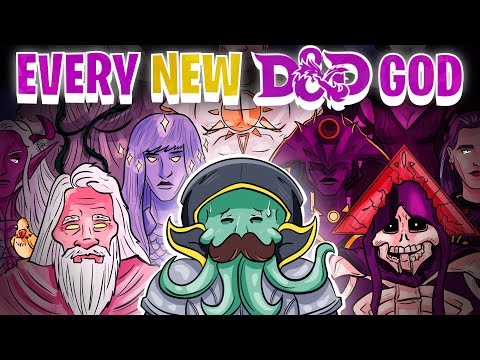
The role of gods in Dungeons & Dragons (D&D) is multifaceted and crucial, shaping the very fabric of the game’s worlds. Fundamentally, gods in D&D are powerful, immortal beings that preside over various aspects of reality. They are the source of divine magic, the patrons of clerics and paladins, and the often-unseen forces that influence the course of history and the fate of mortals. They are not simply powerful entities but active players in the grand narrative of D&D settings, though often their influence is subtle and indirect. Gods are the foundational elements of faith and religion, providing a moral compass and structure within the game world. Their existence adds depth, complexity, and a sense of the awe-inspiring to the game, offering fertile ground for rich storylines and character development. They are, in essence, the cosmic architects of the game’s universe.
Understanding the Nature of D&D Gods
The Power and Scope of Deities
Deities in D&D are not monolithic in their power or influence. They exist in a hierarchy, from demigods with limited domains and worshipers to major gods with vast realms and widespread faiths. Some gods may oversee entire worlds, while others are localized powers connected to a specific region or culture. This scale of power directly impacts their ability to affect the world. Major gods can grant powerful spells, intervene in significant events, and shape the course of nations. Demigods, on the other hand, are more limited in their reach, although still potent beings in their own right. Regardless of their power level, gods are generally depicted as immortal and impervious to mortal means of destruction, though not necessarily to each other.
Domains and Portfolios
Each deity in D&D has a defined domain or portfolio—the specific aspect of reality they govern. These can range from tangible concepts like war, agriculture, and death, to more abstract ideas like magic, knowledge, and justice. These portfolios define their followers, their abilities, and their overall personality. For example, a god of war might have a stern and martial presence, while a god of knowledge might appear wise and scholarly. The interaction of these portfolios among various deities often creates tensions and rivalries within the divine realm. These divine conflicts can directly impact the mortal realm, sparking wars, natural disasters, and societal upheavals.
Gods as Narrative Devices
Deities play a crucial narrative role in D&D. They provide a framework for understanding the universe and often drive the plot through divine quests, prophecies, or interventions. Characters may be called upon to serve a god’s agenda, confront their enemies, or even face the wrath of a displeased deity. Gods give weight to the actions of player characters, as those actions might align with or oppose the divine will. The nature of the divine also fuels philosophical and moral debates, raising complex questions about faith, free will, and the nature of good and evil.
Gods in Gameplay
The Source of Divine Magic
A core function of gods in D&D is to grant divine magic to their followers. Clerics, paladins, and sometimes other classes derive their powers from their deity, channeling the divine energy into spells and abilities. The nature of these powers is closely tied to the god’s portfolio. A cleric of a healing god will be proficient in restorative magic, while a paladin of a war god will be skilled in combat. This connection creates a dynamic relationship between the deity and their followers, enhancing roleplaying opportunities.
Interacting with the Divine
Interacting with gods in D&D is rarely a direct event. Player characters are unlikely to engage in a straightforward conversation with a god. Instead, interactions typically take the form of omens, visions, dreams, and the actions of divine representatives like angels and powerful clerics. Gods also influence the world through natural phenomena or divine interventions. Characters might be tasked with quests by their church, find clues in holy texts, or even bear witness to supernatural occurrences.
The Limitations of Divine Power
While gods are powerful, they are not omnipotent. They are often constrained by the rules of the setting and their own divine portfolios. For instance, a god of war may not directly manipulate the weather, that might fall within the domain of another god. Moreover, some settings have rules for limiting divine intervention, encouraging mortal characters to play a more significant role in shaping their world. These limitations add a sense of balance to the game and emphasize the importance of player agency.
Frequently Asked Questions (FAQs) About Gods in D&D
1. Can players become gods in D&D?
It’s a rare and challenging path, but yes, it’s possible for characters to become gods. This is often done by gaining significant power, a large following, or through divine blessing. It’s entirely up to the DM and there is no cannon path. It is generally considered an end-game or very late game scenario.
2. Can players fight gods in D&D?
Yes, it’s possible to battle gods, though they’re extremely challenging encounters. Gods typically don’t die permanently in the traditional sense, often reforming over time. If the DM wishes a god to be mortal or vulnerable to mortal characters, that is their prerogative.
3. What happens when a god dies in D&D?
In many settings, a god’s death results in their body materializing on the Astral Plane as a giant stone statue. These divine corpses are sometimes used as bases for cities by various planar races.
4. What’s the difference between a god and a demigod?
A demigod is a weaker deity with a more limited portfolio and number of followers. They have powers beyond mortals but less than full gods. They may be children of gods, or mortals who ascended to godhood.
5. Are all gods good?
No, gods in D&D can be good, evil, neutral, or any shade in between. Their alignments and morality vary depending on their domain and personality. There are many evil deities within the D&D cosmology, and their actions have vast influence on the world.
6. Who is the most powerful god in D&D?
The most powerful god varies by setting. In some, it may be Chaos, while in others, other deities like Paladine or Ao are considered the most powerful. It’s not a concrete answer across all D&D settings.
7. Who are some examples of core D&D gods?
Some well-known D&D deities include Boccob (god of magic), Corellon Larethian (god of elves), and Gruumsh (god of orcs). Each has unique roles and influences within the game universe.
8. How do gods communicate with mortals?
Gods typically communicate through dreams, omens, visions, or the actions of their divine servants. Direct, in-person communication is rare.
9. What is the role of the Raven Queen?
The Raven Queen is the goddess of death, fate, and winter who presides over the transition between life and death. She replaced the previous god of death, Nerull, in some D&D settings.
10. Can dragons become gods?
Yes, dragons can become gods. Notably, the Platinum Dragon, Bahamut, is now a core god.
11. Who is the god of infinity?
Cyndor is the Oeridian god of Time, Infinity, and Continuity.
12. What is the Dead Three?
The Dead Three are a group of evil, death-themed deities: Bane (tyranny), Bhaal (murder), and Myrkul (bones).
13. What is a god’s “domain?”
A god’s domain is the sphere of influence they govern, such as war, nature, or knowledge. This defines their followers, spells, and abilities.
14. Are gods stronger than dragons?
Gods are generally considered more powerful than even the most powerful dragons, though specific powerful dragons can pose a threat even to some deities. The nature of the individual god and the individual dragon are important factors.
15. What is the difference between faith and worship in D&D?
While closely linked, faith is the internal belief in a god or divine power, and worship is the outward expression of that belief through rituals, prayers, and service. A character can have faith without actively worshipping, and vice versa.
In conclusion, the gods of D&D are far more than just powerful figures. They are the lifeblood of the settings, impacting the world in profound ways, and they add layers of depth, meaning, and conflict to the ongoing stories. Whether they’re a source of divine power for characters, a looming threat to be battled, or a focus of religious devotion, the gods of D&D are essential to the richness and complexity of the game.