What is the Weakest Metallic Dragon in D&D?
Fast answer first. Then use the tabs or video for more detail.
- Watch the video explanation below for a faster overview.
- Game mechanics may change with updates or patches.
- Use this block to get the short answer without scrolling the whole page.
- Read the FAQ section if the article has one.
- Use the table of contents to jump straight to the detailed section you need.
- Watch the video first, then skim the article for specifics.
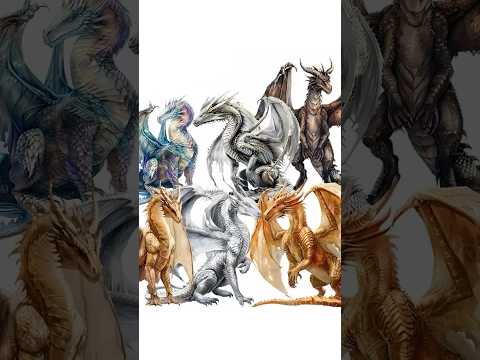
The title of weakest metallic dragon in D&D goes to the brass dragon. While all metallic dragons are generally considered good-aligned and powerful creatures, brass dragons occupy the lowest rung in terms of raw combat prowess and general influence. Their relatively weaker physical attributes, coupled with a unique set of personality traits, place them as the least imposing of their metallic kin.
The Brass Dragon: A Study in Sociability, Not Strength
While the metallic dragons are revered for their wisdom, strength, and inherent goodness, brass dragons stand out for their distinctive focus on social interaction and conversation. They prefer to use their words and charm rather than brute force, often making them less threatening in direct confrontations compared to other dragons.
Physical Attributes and Abilities
Brass dragons are typically found in arid, desert regions and have a physical appearance that blends well into their sandy environments. Their scales have a dull, brassy luster that can appear almost golden in the right light. They are still large creatures, but often slightly smaller in overall size compared to their counterparts.
Their breath weapon is a cone of sleep-inducing gas, not the damaging or elemental blasts of other dragons. This reflects their preference for non-lethal confrontation and using their ability to pacify rather than destroy. While potent, this gaseous breath is less immediately deadly than fire, ice, or acid, further cementing their position as the weakest in a fight.
Personality and Behavior
The defining characteristic of a brass dragon is its love of conversation. They are incredibly sociable, often going to extreme lengths to engage in dialogue with any creature they encounter. They are known to be masters of languages, fluent in hundreds of dialects, and will happily talk for hours on end. This talkative nature, while endearing, often means they focus less on physical training and martial prowess compared to other dragons. They prefer to settle conflicts through discussion and negotiation rather than open combat.
Their treasure hoards often reflect their interests, filled with stories, knowledge, and artifacts rather than precious metals and gems. This reinforces their intellectual curiosity and less greedy nature.
Brass Dragons: Weakest, But Not Helpless
While considered the weakest of the metallic dragons, it’s crucial to understand that brass dragons are by no means helpless. They are still ancient and powerful creatures capable of incredible feats. They can fly, possess magical abilities, and their breath weapon, while non-lethal, is effective at neutralizing threats. Their wisdom and knowledge make them valuable allies. Furthermore, their preference for social interaction does not mean they are incapable of defending themselves or others when necessary.
They are simply less inclined to seek direct confrontation, preferring diplomacy and intellect. Their weakness lies more in their lack of aggression and brute strength compared to the others, rather than in any kind of general incompetence.
Frequently Asked Questions (FAQs)
1. Are metallic dragons inherently good?
Yes, generally. In most D&D settings, metallic dragons are inherently good-aligned, though individual dragons might deviate from this norm. They are protectors of the innocent, foes of evil, and advocates for justice.
2. What are the main types of metallic dragons?
The core metallic dragons are gold, silver, bronze, copper, and brass, often arranged from strongest to weakest. Additional metallic dragons may exist in different settings.
3. Is Bahamut a metallic dragon?
Bahamut, the Platinum Dragon, is considered the god of metallic dragons and the first of their kind. He is the patron of good-aligned dragons and a powerful force for good in the multiverse.
4. Are brass dragons cowardly?
No, brass dragons are not cowardly. They are peaceful and prefer to avoid unnecessary conflict, but they will stand up for what they believe in and defend themselves or others when needed. They simply prioritize diplomacy and non-violent solutions.
5. What is the breath weapon of a brass dragon?
Brass dragons have a sleep-inducing gas breath weapon, which they use to incapacitate rather than kill their enemies. It’s not immediately lethal but is effective at subduing threats.
6. What kind of terrain do brass dragons inhabit?
Brass dragons typically make their lairs in arid, desert regions, blending in well with their surroundings. They favor open areas, where they can easily spot those approaching.
7. What is the strongest metallic dragon?
Gold dragons are generally considered the most powerful of the classic metallic dragons. They are revered for their wisdom, magic, and immense physical strength.
8. Are there evil metallic dragons?
While the vast majority are good, individual metallic dragons can become evil due to specific events and choices. This is the exception, not the rule. They are free-willed creatures with the capacity for good and evil.
9. How do brass dragons view other races?
Brass dragons are often curious about other races and enjoy their company. They particularly love to learn about their cultures and histories. They are generally amiable and sociable with those they encounter.
10. Can brass dragons communicate with humans?
Absolutely. Brass dragons are masters of languages and can easily communicate with most humanoid races. Their vast knowledge of dialects allows them to interact with diverse groups.
11. What is the typical treasure hoard of a brass dragon?
A brass dragon’s hoard is often filled with books, historical artifacts, and items of cultural significance rather than precious metals. This reflects their love for knowledge and storytelling.
12. How does the strength of a brass dragon compare to a white dragon?
White dragons are chromatic dragons, and generally considered the weakest of those, but still more physically imposing than a brass dragon. While brass dragons are more intelligent and capable of diplomacy, a white dragon is often more dangerous in a direct fight because of it’s deadly cold breath. It should be noted this can vary greatly by age category.
13. Are older brass dragons more powerful?
Yes, as with all dragons, older brass dragons are significantly more powerful than their younger counterparts. They gain more potent abilities, increased size, and greater intelligence with age. However, even an ancient brass dragon will still rely on their strengths, preferring diplomacy, but also being able to protect themselves should the need arise.
14. Can brass dragons be good adventurers?
Yes, a brass dragon can make an exceptional adventuring companion. They are generally good-aligned, intelligent, and charismatic. However, their preference for peaceful solutions and talking might make them more effective support characters rather than front-line fighters. Their knowledge can help aid the party in various ways.
15. How do brass dragons compare to other metallic dragons in terms of combat ability?
In terms of raw combat ability, brass dragons are generally the weakest. They lack the immediate destructive power of gold or bronze dragons. However, their ability to pacify enemies with their breath weapon, combined with their social skills, makes them capable strategists and effective in particular circumstances.