Understanding Tier 2 Interventions: Examples and Applications
Fast answer first. Then use the tabs or video for more detail.
- Watch the video explanation below for a faster overview.
- Game mechanics may change with updates or patches.
- Use this block to get the short answer without scrolling the whole page.
- Read the FAQ section if the article has one.
- Use the table of contents to jump straight to the detailed section you need.
- Watch the video first, then skim the article for specifics.
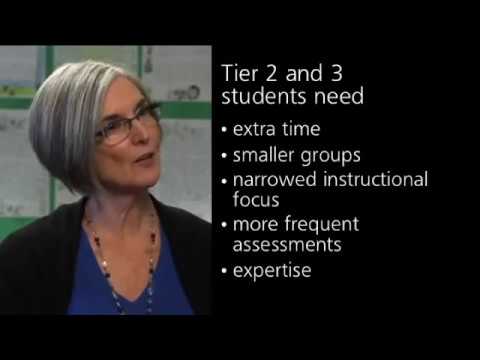
Tier 2 interventions are targeted supports provided to students who need more assistance than what’s offered in the general education classroom (Tier 1) but don’t require the intensive, individualized support of Tier 3. They are designed to address specific academic or behavioral deficits and help students catch up with their peers. Examples of Tier 2 interventions include:
- Small group instruction: Targeted lessons focused on specific skills, often in reading, writing, or math.
- Check-In/Check-Out (CICO): A system where students regularly meet with a designated adult to set goals, monitor progress, and receive positive reinforcement.
- Social skills groups: Structured sessions designed to teach and practice social skills like cooperation, conflict resolution, and empathy.
- Mentoring programs: Pairing students with positive role models who provide guidance, support, and encouragement.
- Self-management strategies: Teaching students techniques for monitoring their own behavior, setting goals, and rewarding themselves for success.
- Academic support programs: Providing additional time and assistance with homework, studying, and test preparation.
- Behavioral contracts: Agreements between students, teachers, and parents that outline specific expectations, rewards, and consequences.
- Targeted reading interventions: Using research-based programs to address specific reading challenges, such as phonological awareness, fluency, or comprehension.
These interventions are typically delivered in small groups and are evidence-based, meaning they have been shown to be effective in helping students improve their skills and behavior. They are also data-driven, meaning that student progress is regularly monitored to ensure that the interventions are working. If a student does not respond to Tier 2 interventions, they may need to be referred for Tier 3 support.
Tier 2: A Crucial Support System
Tier 2 acts as a bridge, offering support before escalation to more intensive and costly Tier 3 services becomes necessary. Through targeted support and frequent progress monitoring, schools can proactively address student needs.
Frequently Asked Questions (FAQs) About Tier 2 Interventions
1. What is the overall goal of Tier 2 interventions?
The primary goal of Tier 2 interventions is to provide targeted support to students who are struggling academically or behaviorally, enabling them to make adequate progress and ultimately succeed in the general education classroom. It aims to prevent the need for more intensive interventions (Tier 3).
2. How are students identified as needing Tier 2 support?
Students are typically identified through universal screening assessments, teacher observations, parent input, or referrals. These methods help to identify students who are not meeting grade-level expectations or exhibiting concerning behaviors. Data from these sources are used to determine if a student needs Tier 2 interventions.
3. Who typically delivers Tier 2 interventions?
Tier 2 interventions are often delivered by a variety of school personnel, including teachers, paraeducators, specialists (e.g., reading specialists, school counselors), and trained volunteers. The specific personnel involved will depend on the type of intervention and the resources available at the school.
4. How often should Tier 2 interventions be implemented?
The frequency and duration of Tier 2 interventions will vary depending on the specific needs of the student. However, they are typically implemented several times per week for a set period of time (e.g., 30 minutes, 3-5 times per week for 10-12 weeks). Consistent implementation is key to seeing positive results.
5. What kind of data is collected to monitor student progress in Tier 2?
Progress monitoring is an essential component of Tier 2 interventions. Data collected might include scores on academic assessments, observations of student behavior, attendance records, and feedback from students and teachers. This data is used to track student progress and determine whether the intervention is effective.
6. What happens if a student doesn’t respond to Tier 2 interventions?
If a student does not show adequate progress after a reasonable period of time (e.g., 6-8 weeks) in Tier 2, they may need to be referred for more intensive, individualized support in Tier 3. This might include special education services or other specialized interventions.
7. How do Tier 2 interventions differ from Tier 1 (general education) instruction?
Tier 2 interventions are more targeted and intensive than Tier 1 instruction. They focus on addressing specific skill deficits or behavioral challenges, while Tier 1 provides high-quality instruction to all students in the general education classroom. Tier 2 is supplementary, not a replacement for effective Tier 1 instruction.
8. What are some examples of Tier 2 interventions for reading difficulties?
Examples of Tier 2 reading interventions include small group instruction in phonics, fluency practice, comprehension strategies, and vocabulary development. These interventions are typically delivered using research-based programs and are tailored to meet the specific needs of the student.
9. What are some examples of Tier 2 interventions for behavioral challenges?
Examples of Tier 2 behavioral interventions include Check-In/Check-Out (CICO), social skills groups, mentoring programs, and behavioral contracts. These interventions aim to teach students positive behaviors and provide them with the support they need to make better choices.
10. How can parents be involved in Tier 2 interventions?
Parents can play a crucial role in Tier 2 interventions by providing information about their child’s strengths and needs, participating in meetings with school staff, and reinforcing positive behaviors at home. Communication between school and home is essential for ensuring that interventions are effective.
11. Are Tier 2 interventions only for students with academic or behavioral problems?
While Tier 2 interventions are primarily designed for students who are struggling, they can also be used to support students who are at risk of falling behind. For example, a Tier 2 intervention might be used to provide extra support to students who are transitioning to a new school or grade level.
12. How long should a student remain in Tier 2 intervention?
The duration of Tier 2 intervention depends on the student’s progress and the goals set for them. Students may remain in Tier 2 intervention for several weeks or months, or until they demonstrate sufficient progress to return to Tier 1 instruction. Data-driven decisions guide the duration of the intervention.
13. Can Tier 2 interventions be used for gifted students?
Yes, Tier 2 interventions can be adapted for gifted students who need additional challenges or support. In this context, Tier 2 might involve advanced learning opportunities, enrichment activities, or mentorship with experts in a particular field. The goal is to provide gifted students with opportunities to reach their full potential.
14. How does Tier 2 relate to Response to Intervention (RTI)?
Tier 2 is an integral part of the Response to Intervention (RTI) framework, which is a multi-tiered approach to providing support to students. RTI emphasizes early identification and intervention, with Tier 1 providing high-quality instruction to all students, Tier 2 providing targeted support to students who need it, and Tier 3 providing intensive, individualized support to students who are not responding to Tier 2 interventions.
15. Where can I find more information about effective Tier 2 interventions?
Many resources are available to learn more about effective Tier 2 interventions. You can consult with school psychologists, special education teachers, and other experts. Additionally, organizations such as the Games Learning Society offer valuable insights and resources. Visit GamesLearningSociety.org to explore how games can be incorporated into learning and intervention strategies.