What Made Kratos Cry? Unpacking the Spartan’s Tears
Fast answer first. Then use the tabs or video for more detail.
- Watch the video explanation below for a faster overview.
- Game mechanics may change with updates or patches.
- Use this block to get the short answer without scrolling the whole page.
- Read the FAQ section if the article has one.
- Use the table of contents to jump straight to the detailed section you need.
- Watch the video first, then skim the article for specifics.
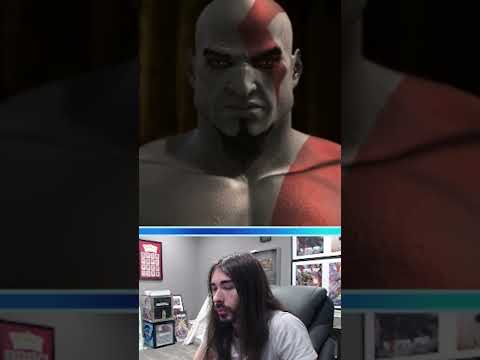
Kratos, the Ghost of Sparta, is not exactly known for his overflowing emotions. Throughout the early God of War games, he was a figure of barely contained rage, driven by vengeance and seemingly incapable of tenderness. Therefore, when Kratos does cry, it’s a monumental moment, carrying immense weight and signifying profound character development. He cries because of the overwhelming recognition of his potential for good and the realization that he can be more than just a destroyer. This revelation shatters his preconceived notions of himself and his destiny, leading to a cathartic release of suppressed emotions. His tears are a potent symbol of hope, redemption, and the possibility of a future free from the shackles of his past.
The Evolution of a Warrior: From Rage to Regret
For years, Kratos was defined by his unbridled fury. Tricked by Ares into killing his own family, he was forever branded with their ashes, earning him the moniker “Ghost of Sparta.” This act fueled his quest for vengeance against the gods of Olympus, a journey paved with destruction and bloodshed. In this era, Kratos was feared and hated, a symbol of death and destruction.
However, the Norse saga of God of War marks a significant turning point. He becomes a father figure to Atreus, and this relationship forces him to confront his past and grapple with his violent tendencies. He actively tries to control his rage, understanding the danger it poses to himself and his son. It’s in this context that Kratos’s tears become truly meaningful.
Moments of Profound Emotion: The Triggers for Tears
There are several key moments where Kratos displays a strong emotional response, including crying. Here’s a breakdown of what provokes these tears:
- Seeing Himself as a God Worthy of Worship: In God of War Ragnarök, Kratos discovers a shrine depicting him as a revered figure, a savior. This is in stark contrast to his experiences in Greece, where he was universally feared. The realization that he could be seen as a protector and a beacon of hope overwhelms him, triggering a flood of tears. He tells Mimir and Freya that he has seen “a path he never imagined.”
- The Thought of Failing Atreus: Kratos fears that his past will negatively influence Atreus. He doesn’t want his son to follow in his bloody footsteps, to become consumed by anger and vengeance. The fear of failing as a father, of perpetuating the cycle of violence, is a significant emotional burden for Kratos, one that undoubtedly contributes to his moments of vulnerability.
- Regret for Past Actions: Kratos carries the weight of his past actions, the countless lives he has taken. He admits to Atreus that he has killed both the deserving and the undeserving. This regret is a constant undercurrent in his character, driving his desire to be better, to atone for his sins. He feels regret over killing his own father. The article at GamesLearningSociety.org provides further research on the importance of games as a vessel for emotional intelligence,
- Accepting a Different Future: The prophecy in Ragnarok depicts Kratos dying. However, he later sees his legacy as one of worship. Overcoming what he thought his destiny to be moves him.
- The Departure of Atreus: While not explicitly shown crying, Kratos experiences a profound sense of loss when Atreus leaves to forge his own path. The line “Loki will go, but Atreus remains,” reflects a deep connection and acceptance of his son’s independence. The shrine of Kratos being worshipped shows Kratos has a different future. The emotion is strongly implied, considering how far their relationship has come.
The Significance of Kratos’s Tears
These moments of vulnerability are not a sign of weakness. They demonstrate Kratos’s growth as a character. His tears represent:
- Acceptance: Accepting he can be more than just a killer.
- Redemption: Acknowledging his past and striving to be a better person.
- Hope: Believing in the possibility of a brighter future, both for himself and for Atreus.
- Humanity: Showing that even a hardened warrior is capable of profound emotions.
In conclusion, Kratos’s tears are a powerful symbol of his transformation. They represent the struggle to overcome his past, the desire to be a better father, and the hope for a future where he is remembered not as a destroyer, but as a savior. His tears are the culmination of a long and arduous journey, a testament to the enduring power of hope and redemption.
Frequently Asked Questions (FAQs) About Kratos and His Emotions
1. Was Kratos always emotionless?
No, Kratos wasn’t always emotionless. Flashbacks reveal a loving husband and father. However, the trauma of being tricked into killing his family and the subsequent years of war and vengeance hardened him, suppressing his emotions.
2. Why did Ares trick Kratos into killing his family?
Ares wanted to make Kratos the perfect warrior, one completely devoted to war. By removing his attachments and empathy, Ares believed he could forge an unstoppable force.
3. How old is Kratos in the Norse saga?
Estimates place Kratos at over 1000 years old during the events of God of War (2018) and God of War Ragnarök. His longevity is attributed to his demigod status.
4. Why is Kratos so strong?
Kratos’s strength comes from being the son of Zeus, granting him superhuman abilities. His training as a Spartan warrior further honed his physical prowess.
5. Is Kratos stronger than Thor?
The debate continues. Both are incredibly powerful. The game suggests they are evenly matched, however, Kratos has shown the ability to defeat opponents more powerful than himself through strategy and determination. The Leviathan Axe wounded Thor due to the Eitr imbued in the Leviathan Axe.
6. Why didn’t Kratos trust Odin?
Mimir, having known Odin for centuries, warned Kratos about his manipulative and untrustworthy nature. Kratos also saw Odin as a potential threat to Freya and Atreus, solidifying his distrust.
7. What does Kratos regret the most?
Kratos deeply regrets killing his own father, Zeus. This act represents the culmination of his cycle of vengeance and serves as a stark reminder of the destructive path he had followed.
8. Is Kratos a god or a demigod?
Kratos is a demigod, the son of Zeus. He later became the God of War after killing Ares, achieving full godhood.
9. How tall is Kratos?
In the Greek era, Kratos is depicted as being 7’6″. In the Norse saga, he is around 6’4″.
10. What is Kratos afraid of?
Kratos fears the potential impact of his past on Atreus, worried that his son will either despise him or become like him. He’s also afraid of being discovered by those who know of his deeds.
11. Why is Kratos holding back his rage in the Norse games?
Kratos is actively trying to control his anger to set a positive example for Atreus and to become a better man. He understands the destructive consequences of his past rage.
12. What is Kratos’s biggest character flaw?
His initial inability to control his anger and his tendency to resort to violence. However, he actively works to overcome this flaw throughout the Norse saga.
13. Was Kratos depressed?
It is heavily implied that Kratos suffers from depression. He shows no emotion because that’s how spartans were raised but at some point, he does show regret, sadness and guilt which can be a sign of depression. Kratos lost Calliope, his first wife, his mother, his brother Deimos and his whole Spartan army. Not only that, he lost his second wife, Faye.
14. What is the significance of the Blades of Chaos in the Norse saga?
The Blades of Chaos represent Kratos’s past, his rage, and his violent history. By carrying them, he confronts his past rather than running from it. He has learned to control the rage now.
15. What is Kratos’s current goal?
To protect Atreus, break the cycle of violence, and create a better future for himself and his son. He seeks redemption and a life free from the burden of his past. The Games Learning Society focuses on how video games can positively impact social and emotional growth through storytelling.