What Materials Burn the Quickest? Unveiling the Secrets of Flammability
Fast answer first. Then use the tabs or video for more detail.
- Watch the video explanation below for a faster overview.
- Game mechanics may change with updates or patches.
- Use this block to get the short answer without scrolling the whole page.
- Read the FAQ section if the article has one.
- Use the table of contents to jump straight to the detailed section you need.
- Watch the video first, then skim the article for specifics.
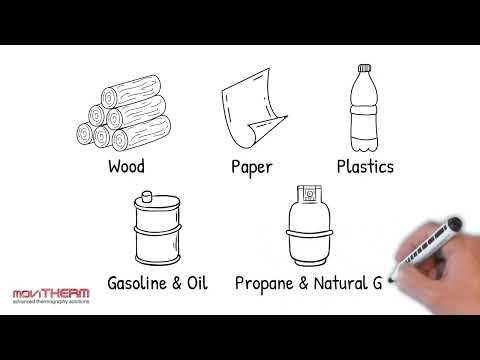
The burning rate of a material, essentially how quickly it combusts and propagates flames, is determined by a complex interplay of factors: its chemical composition, physical state (solid, liquid, gas), surface area, and the presence of oxygen. Generally speaking, highly flammable materials with a large surface area and low ignition points tend to burn the quickest. In practice, this means that liquids such as gasoline, acetone, and diethyl ether are notorious for their rapid burning rates due to their easily vaporized nature, forming flammable mixtures with air. Among solids, materials with a loose, fibrous structure, like cotton, linen, and viscose, burn quickly because they provide ample surface area for oxygen to react. The presence of flammable additives and dyes can further accelerate this process.
Understanding Flammability: A Deep Dive
Flammability is a key concept in fire safety and understanding material properties. It’s not just about whether something will burn, but how it will burn. This includes the speed of flame spread, the heat released, and the resulting smoke production.
Factors Influencing Burning Rate
Several factors play a crucial role in determining how quickly a material burns:
- Chemical Composition: Materials high in carbon and hydrogen generally burn more readily. The chemical bonds within the material dictate how easily they break down under heat.
- Physical State: Gases are typically the most flammable due to their ease of mixing with oxygen. Liquids, particularly those with low boiling points, readily vaporize and become flammable. Solids require heat to decompose into flammable gases.
- Surface Area: A larger surface area exposes more material to oxygen, accelerating the combustion process. This is why wood shavings burn faster than a log of wood.
- Ignition Temperature: This is the minimum temperature required to initiate combustion. Materials with low ignition temperatures burn more easily.
- Oxygen Availability: Fire requires oxygen. Materials in an oxygen-rich environment will burn more intensely and rapidly.
- Presence of Additives: Certain chemicals, like flammable solvents or dyes, can significantly increase a material’s flammability. Conversely, flame retardants can slow down the burning process.
Common Culprits: Materials That Burn Quickly
Beyond the general principles, specific materials are known for their rapid burning characteristics. These include:
- Gasoline: A highly volatile liquid with a very low flash point, meaning it readily produces flammable vapors at room temperature.
- Alcohols: Isopropyl alcohol (rubbing alcohol) and ethanol are readily flammable and burn with a clean flame.
- Acetone: Commonly found in nail polish remover, acetone is another highly flammable solvent.
- Diethyl Ether: Historically used as an anesthetic, diethyl ether is extremely flammable and poses a significant fire hazard.
- Cellulose-based Fabrics: Cotton, linen, and viscose are all derived from cellulose and burn readily.
- Paper: Being cellulose-based and thin, paper ignites easily and burns quickly.
- Powdered Substances: Fine powders, like flour and certain spices, can create a dust explosion hazard when suspended in air.
FAQs: Delving Deeper into Flammability
Here are some frequently asked questions to further expand our understanding of flammability:
-
What makes a material flammable vs. inflammable? These terms are synonymous, both meaning easily set on fire. “Flammable” is the more commonly used and preferred term to avoid confusion.
-
Is anything truly fireproof? No, nothing is truly “fireproof.” Given enough heat and time, any material will eventually break down or combust. The goal is to use fire-resistant materials that can withstand high temperatures for a prolonged period, providing crucial time for evacuation and firefighting.
-
What’s the difference between fire-resistant and fire-retardant? Fire-resistant materials inherently resist burning (e.g., concrete, brick). Fire-retardant materials have been treated with chemicals to slow down or prevent burning (e.g., flame-retardant clothing).
-
Are natural fibers always more flammable than synthetics? Not always. While cotton and linen are highly flammable, some synthetic fibers like nylon and polyester can melt and drip when exposed to high heat, posing a different kind of hazard.
-
How does the density of a material affect its flammability? Denser materials generally take longer to ignite and burn because they require more energy to heat up. However, the material’s composition is still the primary factor.
-
Can a material be flammable without a flame? Yes. Spontaneous combustion can occur when certain materials, like oily rags, generate heat through oxidation. If the heat cannot dissipate, it can reach the ignition point and cause a fire without an external flame source.
-
What is a flash point? The flash point is the lowest temperature at which a liquid produces enough vapor to form an ignitable mixture with air near the surface of the liquid.
-
What role does ventilation play in a fire? Ventilation provides oxygen, which fuels the fire and allows it to grow and spread more rapidly.
-
How do flame retardants work? Flame retardants interfere with the combustion process by either cooling the material, forming a protective barrier, or releasing chemicals that inhibit the chain reaction of burning.
-
Is salt flammable? No, salt (sodium chloride) is non-flammable and does not support combustion.
-
What is the hottest burning substance? Dicyanoacetylene, a compound of carbon and nitrogen, burns at extremely high temperatures, reaching up to 6,000 K (5,730 °C; 10,340 °F) in ozone.
-
Are all cooking oils flammable? Yes, all cooking oils are flammable, but they have different flash points. Oils with lower flash points, like vegetable oil, are more easily ignited than oils with higher flash points, like avocado oil.
-
Is bleach flammable? No, bleach itself is not flammable. However, it can react dangerously with other chemicals, such as ammonia, producing toxic and potentially explosive gases.
-
Does the color of a material affect its flammability? The color itself doesn’t directly affect flammability, but darker colors absorb more heat, which can contribute to reaching the ignition point faster.
-
How can I learn more about fire safety and material properties? Consider exploring resources from organizations like the National Fire Protection Association (NFPA) and the U.S. Fire Administration. For insights into educational approaches to complex topics, consider visiting GamesLearningSociety.org.
Conclusion: Staying Informed, Staying Safe
Understanding the flammability of different materials is crucial for preventing fires and ensuring safety in our homes, workplaces, and communities. By being aware of the factors that influence burning rates and taking appropriate precautions, we can significantly reduce the risk of fire-related incidents. Always remember to store flammable materials properly, handle them with care, and never leave cooking unattended.