Your First Adventure Awaits: Navigating the Opening Quests of Elder Scrolls Online
Fast answer first. Then use the tabs or video for more detail.
- Watch the video explanation below for a faster overview.
- Game mechanics may change with updates or patches.
- Use this block to get the short answer without scrolling the whole page.
- Read the FAQ section if the article has one.
- Use the table of contents to jump straight to the detailed section you need.
- Watch the video first, then skim the article for specifics.
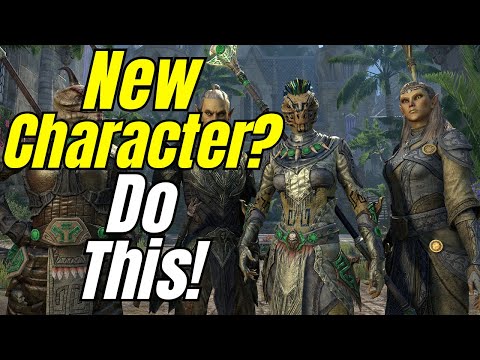
So, you’ve just stepped into the vast and sprawling world of Elder Scrolls Online (ESO). Congratulations! You’re in for a treat. But with so much to see and do, the sheer scale of Tamriel can be a little… daunting. The burning question on every new adventurer’s mind is: What quest should I do first in ESO?
The absolute best first quest for any new ESO player is the one dictated by your chosen starting location, determined by the Chapter you own or the Alliance you’ve selected. If you own a Chapter like Morrowind, Summerset, Elsweyr, Blackwood, High Isle, or Necrom, you’ll begin with the Chapter’s main questline. These intro quests are designed to gently introduce you to the game’s mechanics, combat, and storyline within that specific zone. If you don’t own any Chapters, you will start in the base game alliance zones, based on your character’s race. Each of these starting zones has its own introductory quest that is the ideal starting point.
Regardless of your starting point, the key is to follow the main quest markers. These markers will guide you through the initial stages of your adventure, providing valuable experience, gear, and a solid foundation for your character’s progression. Jumping ahead or trying to tackle more challenging content before you’re ready can lead to frustration. Trust the game’s initial design – it’s there to help you get your feet wet.
Why the Chapter/Alliance Intro Quest Matters
These initial quests serve several vital purposes:
- Tutorialization: They act as a guided tutorial, teaching you the basics of combat, crafting, interacting with NPCs, and navigating the user interface.
- Story Immersion: They introduce you to the lore and history of your chosen region, hooking you into the narrative and giving you a reason to care about the world around you.
- Resource Acquisition: You’ll earn valuable gold, experience, and gear, which will help you level up and improve your character’s combat effectiveness.
- Exploration Encouragement: The quests often lead you to explore different areas of the zone, revealing points of interest and encouraging you to discover hidden secrets.
Trying to skip these introductory quests usually leads to confusion and a poorer understanding of the game mechanics. Embracing them sets you up for a much smoother and more enjoyable ESO experience.
Beyond the First Quest: Setting the Stage
Once you’ve completed the initial quest in your starting zone, the world really opens up. At this point, you have a few options:
- Continue the Main Story Quest: This is generally recommended. Following the main questline will provide a consistent stream of experience, gear, and story progression.
- Explore Side Quests: Venture off the beaten path and discover the numerous side quests scattered throughout the zone. These offer unique stories and rewards.
- Join a Guild: Guilds are a fantastic way to meet other players, learn from experienced veterans, and participate in group activities.
- Crafting: Begin honing your crafting skills early. Gathering resources and crafting items can be a lucrative and rewarding activity.
- Dungeons: If you’re feeling adventurous, try tackling a dungeon with a group of friends or other players. Dungeons offer challenging encounters and valuable rewards.
Ultimately, the choice is yours. ESO is all about freedom and exploration. The most important thing is to have fun and discover what you enjoy most about the game. This open design principle exemplifies how games can create a sense of agency and personalized learning experiences, themes explored at the Games Learning Society. You can find out more about their research at GamesLearningSociety.org.
Frequently Asked Questions (FAQs) about Starting ESO
1. What happens if I skip the tutorial?
Skipping the tutorial is generally not recommended, especially for new players. You’ll miss out on valuable information about the game’s mechanics, combat, and storyline. While you can certainly figure things out on your own, the tutorial is designed to provide a smooth and guided introduction to ESO.
2. I own multiple Chapters. Which starting zone should I choose?
This is entirely up to personal preference! Each Chapter offers a unique storyline and environment. Consider what theme or setting appeals to you most and start there. Morrowind is a classic, Summerset is visually stunning, and Elsweyr offers a unique Khajiit-themed experience.
3. What is a “Zone Story” and how does it differ from the Main Story?
The Main Story focuses on Molag Bal’s invasion of Tamriel. Each zone also has its own self-contained story called the “Zone Story.” These zone stories are often related to local conflicts, political intrigue, or ancient mysteries. They offer a more focused and localized narrative experience.
4. What is the best class for a new player?
There is no single “best” class. Each class has its strengths and weaknesses. However, some classes are generally considered easier for beginners, such as the Dragonknight (strong survivability) and the Sorcerer (powerful damage dealing). Ultimately, the best class is the one that you find the most fun to play.
5. What skills should I focus on early on?
Focus on skills that complement your class and playstyle. As a general rule, prioritize skills that provide sustain (healing or resource management), damage, and crowd control. Experiment with different skills to find what works best for you.
6. How do I join a guild?
You can join a guild by finding guild recruiters in major cities, or by receiving an invitation from another player. There are guilds for all types of players, from casual social guilds to hardcore raiding guilds.
7. What is crafting, and why is it important?
Crafting allows you to create items such as weapons, armor, potions, and food. It is an essential part of ESO, as it allows you to customize your gear and create consumables that enhance your character’s performance.
8. How do I level up my crafting skills?
You level up your crafting skills by crafting items, deconstructing items, and completing crafting writs (daily quests). The more you craft, the faster you’ll level up.
9. What are dungeons and how do I access them?
Dungeons are instanced group content designed for four players. They offer challenging encounters and valuable rewards. You can access dungeons by finding their entrances in the open world or by using the Group Finder tool.
10. What is the difference between a dungeon and a trial?
Dungeons are designed for four players, while trials are designed for twelve players. Trials are typically more challenging than dungeons and offer even greater rewards.
11. How do I get better gear?
You can obtain gear by completing quests, defeating enemies, crafting, and trading with other players. Different types of gear have different stats and properties, so choose gear that complements your class and playstyle.
12. What are Champion Points?
Champion Points are earned after you reach level 50. They allow you to further customize your character by investing points into various passive abilities. Champion Points provide a significant boost to your character’s power.
13. What is “endgame” content in ESO?
Endgame content refers to the activities that players engage in after reaching the maximum level. This includes trials, veteran dungeons, PvP, and other challenging activities.
14. How do I make gold in ESO?
There are many ways to make gold in ESO, including completing quests, selling items to vendors or other players, crafting, and farming resources. Find a method that you enjoy and stick with it.
15. Where can I find more information and resources about ESO?
There are many excellent websites and communities dedicated to ESO. Some popular resources include the official Elder Scrolls Online website, UESP (Unofficial Elder Scrolls Pages), and various online forums and communities. Don’t be afraid to ask questions – the ESO community is generally very helpful and welcoming.
ESO is a vast and complex game, but with a little guidance and exploration, you’ll be well on your way to becoming a seasoned adventurer. Good luck, and may your journeys in Tamriel be filled with excitement and discovery!