What Spells Are Banned in Harry Potter? Exploring the Dark Arts
Fast answer first. Then use the tabs or video for more detail.
- Watch the video explanation below for a faster overview.
- Game mechanics may change with updates or patches.
- Use this block to get the short answer without scrolling the whole page.
- Read the FAQ section if the article has one.
- Use the table of contents to jump straight to the detailed section you need.
- Watch the video first, then skim the article for specifics.
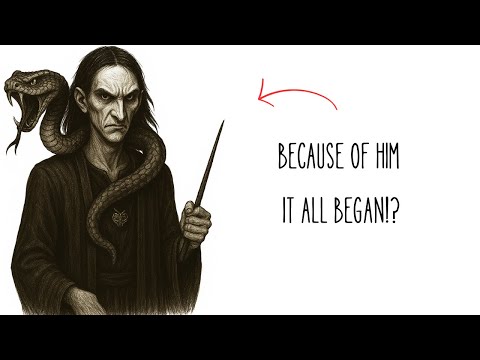
The wizarding world of Harry Potter is filled with spells of incredible power, ranging from the mundane to the extraordinarily dangerous. While many spells are used for everyday tasks, some are so inherently wicked and destructive that they are strictly forbidden. The most well-known banned spells are the Unforgivable Curses, each with severe penalties for use. However, the question of “banned spells” goes beyond just these three, and it’s worth exploring the nuances of magical regulations within the wizarding world.
The Unforgivable Curses: The Core of Banned Magic
At the heart of prohibited magic lies the Unforgivable Curses. These three spells are deemed so cruel and dangerous that their use carries an automatic life sentence in Azkaban, the wizarding prison. Classified as “Unforgivable” in 1717, these curses are:
1. Avada Kedavra – The Killing Curse
Known as the Killing Curse, Avada Kedavra is perhaps the most notorious spell in the wizarding world. It produces a flash of green light and causes instant, painless death. There is no known counter-curse, making it an absolute weapon of destruction. Its use is a hallmark of the most dangerous dark wizards, including Lord Voldemort. The spell’s effectiveness is chillingly absolute, leaving no trace of physical harm on the victim, further cementing its status as the ultimate forbidden act.
2. Crucio – The Cruciatus Curse
The Cruciatus Curse, or Crucio, inflicts agonizing, unbearable pain upon its victim. This curse causes the recipient to writhe in agony, experiencing pain so intense that it can drive individuals to madness. It is a tool of torture, designed to inflict suffering rather than death, making it particularly heinous. The spell requires a true desire to cause pain for it to be effective, highlighting the malicious intent behind its casting.
3. Imperio – The Imperius Curse
The Imperius Curse, or Imperio, allows the caster to completely control the actions of their target. The victim loses all sense of free will, becoming a puppet to the caster’s desires. This spell is insidious because it violates the core of a person’s autonomy. While it doesn’t inflict direct harm like the other two, its ability to manipulate and dominate makes it a deeply sinister form of magic.
Beyond the Unforgivable: Other Forbidden Magic
While the Unforgivable Curses are the most widely known, they aren’t the only forms of magic that are considered banned or heavily regulated. Certain spells, while not always resulting in a life sentence, are frowned upon and carry severe consequences if misused.
Sectumsempra: A Gray Area
Sectumsempra, invented by Severus Snape, is a dark curse that inflicts deep, gashing wounds. It doesn’t kill its victim but causes significant blood loss and agonizing pain. While not an Unforgivable Curse, its use is considered highly dangerous and unethical, leading many to argue it should also be classified as such. It is worth noting its effects are severe enough to almost be considered lethal without immediate and effective healing.
The Dark Arts in General
Beyond specific spells, practices such as creating Horcruxes – objects that contain fragments of a wizard’s soul – are considered the darkest and most forbidden forms of magic. This act of splitting one’s soul is deemed an act against nature and a path to evil. The sheer audacity and moral corruption involved in such an act places it squarely in the realm of the most dangerous magic.
Frequently Asked Questions (FAQs) About Banned Spells
Here are some frequently asked questions about banned spells in the Harry Potter universe, providing deeper insights into the restrictions and consequences of their use:
1. Are the Unforgivable Curses taught at Hogwarts?
No, the Unforgivable Curses are not taught at Hogwarts School of Witchcraft and Wizardry. They are explicitly forbidden and are not part of the standard curriculum. Students are taught about them only to understand the severity of their nature.
2. What is the penalty for using an Unforgivable Curse?
The penalty for using any of the Unforgivable Curses is an automatic life sentence in Azkaban. This is a severe consequence, reflecting the absolute prohibition on these forms of magic.
3. Can any wizard use the Unforgivable Curses?
Technically, yes, any wizard with sufficient magical power can attempt to use the Unforgivable Curses. However, successfully casting them requires not only power but also intent. For example, the Cruciatus Curse requires the caster to genuinely want to inflict pain, not just have righteous anger.
4. Does using the Unforgivable Curses make you evil?
Using the Unforgivable Curses indicates a willingness to engage in morally reprehensible behavior, but it doesn’t inherently make someone “evil.” However, the inherently dark nature of these spells suggests a deeply flawed morality.
5. Why is Avada Kedavra so powerful?
Avada Kedavra is powerful because it is a pure, direct application of destructive magic. It leaves no physical trace and is extremely difficult to counter, making it the ultimate killing spell.
6. Can someone survive Avada Kedavra?
While extremely rare, it is possible to survive Avada Kedavra. Harry Potter is a famous example due to his mother’s sacrifice, which resulted in a protective charm that deflected the curse. The use of a Horcrux could also prevent death from the curse.
7. How does the Cruciatus Curse work?
The Cruciatus Curse uses a spell to create immense pain by targeting the central nervous system. It can cause both physical and mental torment that can have lasting damage to the victim.
8. Can the Imperius Curse be resisted?
Yes, the Imperius Curse can be resisted through sheer willpower. However, it requires immense mental strength and a conscious effort to fight against the caster’s influence, which is very rare.
9. Why is Sectumsempra not an Unforgivable Curse?
Sectumsempra is not an Unforgivable Curse because it doesn’t directly kill its target and can be counteracted with healing magic. However, it’s considered highly dangerous and morally questionable due to its ability to cause severe injuries.
10. What is the counter-curse to Sectumsempra?
The counter-curse to Sectumsempra is Vulnera Sanentur, which can heal deep wounds inflicted by the spell. It requires the caster to be skilled in healing magic.
11. Is it okay to use the Unforgivable Curses in self-defense?
Even in self-defense, the use of an Unforgivable Curse is not justifiable in the wizarding world and would still result in a life sentence in Azkaban. There are other defensive spells and tactics that would be considered legal and appropriate.
12. Did Harry Potter ever use an Unforgivable Curse?
Yes, Harry used the Imperius Curse multiple times during the Gringotts Heist. He attempted to use Crucio on Bellatrix Lestrange but without the intent to hurt, it was unsuccessful. Harry never cast Avada Kedavra.
13. Can muggles perform these spells?
No, Muggles (non-magic individuals) cannot perform any spells, including the Unforgivable Curses. Magic is an innate ability unique to wizards and witches.
14. Are there any other spells banned besides those mentioned?
While the Unforgivable Curses are the primary examples of banned spells, there are other spells and practices considered dangerous and restricted. Certain dark magic and potion making are also highly regulated.
15. What is the wizarding world’s view on dark magic?
The wizarding world generally views dark magic with extreme disdain and fear. It is associated with evil and corruption and is strictly controlled to protect society.
Conclusion
The question of what spells are banned in Harry Potter isn’t just about the technicalities of magical law; it’s about the ethical considerations of power and the consequences of its misuse. The Unforgivable Curses stand as a stark reminder of the darkness that exists within the wizarding world, with other spells also carrying profound moral implications. Understanding the rules and prohibitions surrounding these forbidden forms of magic provides deeper insights into the themes of good and evil that permeate the Harry Potter series.