What is Stream Sniping? The Complete Guide
Fast answer first. Then use the tabs or video for more detail.
- Watch the video explanation below for a faster overview.
- Game mechanics may change with updates or patches.
- Use this block to get the short answer without scrolling the whole page.
- Read the FAQ section if the article has one.
- Use the table of contents to jump straight to the detailed section you need.
- Watch the video first, then skim the article for specifics.
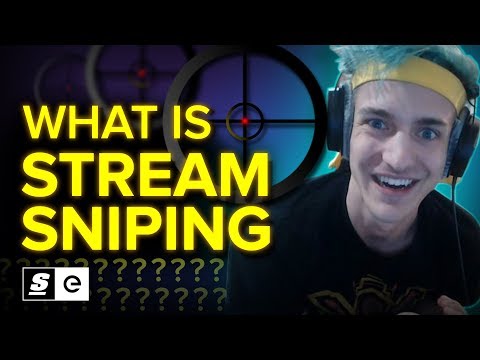
Stream sniping is the act of watching a live stream of a video game player in order to gain an unfair advantage in the same game. This typically involves joining the same game or match as the streamer and using the information visible on their stream, such as their location, strategy, and weaknesses, to defeat them. It’s considered a form of cheating and unsportsmanlike conduct within the gaming community.
Why is Stream Sniping a Problem?
Stream sniping undermines the integrity of the game and the streamer’s experience. It goes against the principles of fair play, as the stream sniper leverages external information not available to other players in the game. This can lead to:
- Ruined Entertainment: Streamers often create content for their audience, and stream sniping disrupts the flow of gameplay, making it less enjoyable for both the streamer and their viewers.
- Unfair Advantage: Gaining information about an opponent’s location, tactics, and resources through their stream provides a significant, and often insurmountable, advantage.
- Increased Frustration for Streamers: Being constantly targeted by stream snipers can be incredibly frustrating and discouraging for streamers, potentially leading them to stop streaming or reduce their engagement.
- Damage to Reputation: Stream sniping can damage the reputation of both the stream sniper and the game itself. Players and viewers may perceive the game as being easily exploitable, which can deter new players.
- Decreased Viewership: If viewers consistently witness a streamer being stream sniped, they may become bored or disinterested in watching, leading to a decline in viewership.
How Does Stream Sniping Work?
The process of stream sniping generally involves these steps:
- Finding the Stream: The stream sniper locates the live stream of a target player, usually through platforms like Twitch, YouTube Gaming, or Facebook Gaming.
- Identifying the Game: They determine which game the streamer is playing.
- Joining the Same Server/Match: They attempt to join the same game server or match as the streamer. This can be done by coordinating with other players or by repeatedly queuing until they end up in the same game.
- Gaining Information: Once in the same game, they use the streamer’s live feed to gain real-time information about their location, health, inventory, and strategic decisions.
- Exploiting the Information: They exploit this information to gain an advantage, such as ambushing the streamer, stealing their resources, or simply harassing them.
Detecting and Preventing Stream Sniping
Detecting stream sniping can be difficult, but there are clues to look for:
- Suspiciously Accurate Plays: Opponents making plays that seem too accurate or knowing information they shouldn’t have.
- Repeated Encounters: Encountering the same players repeatedly in different matches, particularly if those players are aggressively targeting the streamer.
- Unusual Behavior: Players exhibiting behavior that suggests they are watching the stream, such as mimicking the streamer’s actions or using inside jokes from the stream chat.
- Stream Chat Confirmation: Sometimes, stream chat viewers will identify potential stream snipers.
Preventative measures can help to mitigate the impact of stream sniping:
- Stream Delay: Implementing a delay of a few minutes on the stream can make it harder for stream snipers to react in real-time.
- Obscuring Information: Covering parts of the screen that reveal sensitive information, such as the map or player coordinates.
- Using a Different Account: Playing on a separate account specifically for streaming can make it more difficult for stream snipers to identify and target the streamer.
- Reporting: Reporting suspected stream snipers to the game developers or platform administrators. Many games have policies against stream sniping, and offenders can be banned.
- Community Moderation: Encouraging the community to help identify and report potential stream snipers.
- Region Locking: Playing on servers in a region that the streamer is located, helps to avoid players from other regions trying to stream snipe the streamer.
The Ethical Considerations of Stream Sniping
While some might argue that stream sniping is simply part of the competitive nature of online gaming, it raises serious ethical concerns. It directly violates the principles of fair play and sportsmanship. Using information gained outside of the game environment to gain an advantage undermines the skill and strategy involved in the game. It can also be considered a form of harassment, especially if the stream sniping is intended to disrupt the streamer’s content or negatively impact their experience. The vast majority of the gaming community views stream sniping as unacceptable behavior.
Frequently Asked Questions (FAQs)
1. Is stream sniping illegal?
Generally, stream sniping is not illegal in the sense that it’s not typically against the law. However, it’s a violation of the terms of service of most streaming platforms and game developers, which can lead to account suspensions or bans. While not a criminal offense, it’s widely considered unethical and unsportsmanlike.
2. What games are most vulnerable to stream sniping?
Games that are highly competitive, rely on real-time strategy, and allow players to easily join the same match are most vulnerable. Examples include battle royale games like Fortnite, Apex Legends, and PUBG, as well as MOBAs like League of Legends and Dota 2.
3. Can game developers prevent stream sniping?
Game developers can implement features to make stream sniping more difficult, such as anonymous matchmaking, dynamic loading screens, and reporting systems for suspected stream snipers. They can also enforce stricter penalties for players caught stream sniping.
4. What’s the difference between stream sniping and spectating?
Spectating is a feature in many games that allows players to watch a match without participating, typically with a delay. Stream sniping involves using a live stream to gain an unfair advantage while actively participating in the same match.
5. How can I tell if someone is stream sniping me?
Look for suspiciously accurate plays, repeated encounters with the same players, unusual behavior, and confirmation from your stream chat. Review game footage to see if there are moments where an opponent seems to have information they shouldn’t have.
6. Is it okay to stream snipe as a joke?
Even if intended as a joke, stream sniping is generally not considered acceptable. It can still disrupt the streamer’s experience and be perceived as harassment, regardless of your intentions.
7. What are the consequences of being caught stream sniping?
Consequences can range from temporary account suspensions to permanent bans from the game and the streaming platform. The severity of the penalty depends on the game, the platform, and the frequency of the offense.
8. How does a stream delay help prevent stream sniping?
A stream delay creates a time difference between what the streamer is doing and what viewers are seeing. This makes it more difficult for stream snipers to react in real-time, as the information they are seeing is already outdated.
9. What are some alternatives to stream sniping for interacting with streamers?
Instead of stream sniping, consider participating in the stream chat, donating to the streamer, subscribing to their channel, or following them on social media. Engage with their content in a positive and supportive way.
10. Do professional players ever stream snipe?
While it’s not common, there have been instances of professional players being accused of stream sniping. Such accusations can damage their reputation and lead to sanctions from their team or the tournament organizers.
11. How can I report someone for stream sniping?
Most games and streaming platforms have reporting systems that allow you to flag players for violating the terms of service. Provide as much evidence as possible, such as screenshots or video clips, to support your claim.
12. Does changing my in-game name prevent stream sniping?
Changing your in-game name can make it more difficult for stream snipers to identify you initially, but it’s not a foolproof solution. Dedicated stream snipers can still track you down through other means, such as your gameplay style or team affiliations.
13. Is it possible to accidentally stream snipe someone?
Yes, it’s possible. If you happen to join the same game as a streamer without knowing they are streaming, and you act on information you overhear, you might inadvertently be stream sniping. Communication and acknowledgement are key to addressing this situation.
14. What are some examples of stream sniping?
Examples include: knowing a streamer’s exact location in a battle royale game and ambushing them; targeting a streamer’s jungle in a MOBA based on their movements on stream; knowing a streamer’s build order in a strategy game and countering it.
15. Are there any benefits to allowing stream sniping?
There are no generally accepted benefits to allowing stream sniping. It creates an unfair playing field and damages the integrity of the game. Some might argue it generates “content,” but that content is often negative and detracts from the overall experience for both streamers and viewers.