What’s the Rarest Gem?
Fast answer first. Then use the tabs or video for more detail.
- Watch the video explanation below for a faster overview.
- Game mechanics may change with updates or patches.
- Use this block to get the short answer without scrolling the whole page.
- Read the FAQ section if the article has one.
- Use the table of contents to jump straight to the detailed section you need.
- Watch the video first, then skim the article for specifics.
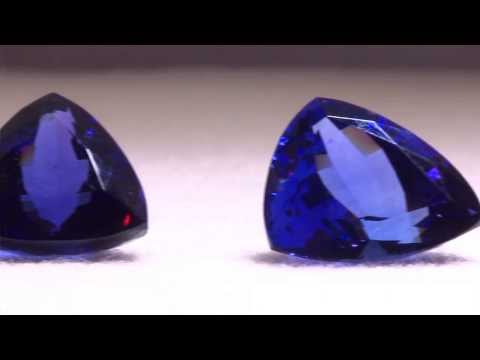
The title of rarest gem is hotly contested, but most gemologists agree that red beryl (also known as bixbite) is arguably the rarest. While rarity is complex and depends on factors like size, quality, and demand, red beryl’s limited known occurrences and difficult extraction make it incredibly scarce, far exceeding diamonds in terms of gem-quality specimens.
Delving into Rarity: More Than Just Scarcity
Rarity in gemstones is a multifaceted concept. It’s not simply about how few of a particular mineral exist. Other crucial factors contribute to the perceived and actual value and rareness:
- Geological Formation: Some gems require incredibly specific and rare geological conditions to form. The combination of elements, pressure, temperature, and time must be just right.
- Location and Accessibility: A gem might technically exist in multiple locations, but if those locations are inaccessible (deep underwater, in remote mountains, or within unstable geological formations), its availability is severely limited.
- Gem Quality: Just because a mineral is rare doesn’t automatically make it a valuable gemstone. Factors like color, clarity, cut, and carat weight drastically influence its desirability and price.
- Demand: This is a crucial, and often overlooked, aspect of rarity. A gem might be relatively scarce, but if there’s little demand for it, its value might not reflect its geological rarity. Conversely, a gemstone like alexandrite benefits from a high demand due to its unique color-changing properties.
While red beryl takes the spotlight, other exceptional gems frequently mentioned in conversations about rarity include Painite, Grandidierite, Taaffeite, and Alexandrite. Let’s briefly examine why these contenders also command such prestige.
The Contenders: Gems That Challenge Red Beryl’s Reign
Painite: Once Considered Impossibly Rare
For many years, Painite held the crown of the rarest gem. Discovered in Myanmar (Burma) in the 1950s, only two crystals were known to exist for decades. While more specimens have been found since then, it remains exceptionally rare, especially in gem-quality form. The presence of zirconium and the specific chemical conditions required for its formation are incredibly uncommon.
Grandidierite: A Bluish-Green Marvel
Grandidierite, a bluish-green mineral first discovered in Madagascar, is another contender for the title of rarest gem. While its presence has been confirmed in other locations, gem-quality specimens are exceedingly rare. Its strong trichroism (displaying three different colors depending on the viewing angle) further adds to its allure.
Taaffeite: The Accidental Discovery
Taaffeite (pronounced “tar-fite”) is unique because it was discovered as a cut and polished gem, not in its natural mineral form. This lavender to mauve-colored gemstone is incredibly rare and is frequently mistaken for spinel. Its chemical composition and crystal structure make it an exceptional find.
Alexandrite: The Color-Changing Chameleon
Alexandrite, a variety of chrysoberyl, is prized for its remarkable color-changing ability. Under daylight or fluorescent light, it appears green, but under incandescent light, it transforms into a reddish hue. High-quality alexandrite, especially those exhibiting a strong color change, commands very high prices and is considered incredibly rare. Its limited sources (primarily Russia, Brazil, and Sri Lanka) contribute to its scarcity.
Red Beryl: A Deep Dive into the Rarest of the Rare
Red beryl, a variety of beryl colored by trace amounts of manganese, stands out due to its specific geological origin. Its only commercially viable source is the Wah Wah Mountains of Utah, USA. The conditions needed for its formation involve specific volcanic activity, the presence of beryllium-rich magma, and the introduction of manganese-rich solutions. This confluence of factors is exceptionally rare.
The mining process for red beryl is also challenging and expensive. The crystals are typically small and heavily fractured, making it difficult to recover gem-quality specimens of significant size. While small red beryl crystals are more common, clean, vibrant red stones larger than one carat are exceptionally rare and fetch astronomical prices. The limited supply and high demand solidifies its position as the rarest gem.
FAQs: Unveiling More About Gem Rarity
Here are some frequently asked questions about rare gemstones, addressing common misconceptions and providing deeper insights:
1. Is diamond really rare?
No, diamonds are not inherently rare. While large, flawless diamonds are uncommon, industrial diamonds are plentiful. De Beers’ historical control over diamond supply created an artificial perception of scarcity, driving up prices. Colored diamonds, especially pink and blue diamonds, are significantly rarer than colorless diamonds.
2. What makes a gemstone valuable?
A gemstone’s value is determined by a combination of factors: rarity, color, clarity, cut, carat weight, and demand. Exceptional color, absence of inclusions, skillful cutting, and significant size all contribute to higher value.
3. What is the rarest color of diamond?
Red diamonds are the rarest color of diamond. Pure red diamonds with no modifying hues are incredibly scarce and command the highest prices per carat of any colored diamond.
4. What are some other rare gemstones besides the ones mentioned?
Other rare gemstones include: Benitoite, Musgravite, Poudretteite, Serendibite, and Jeremejevite. These gems are known for their limited occurrences and unique chemical compositions.
5. How can I tell if a gemstone is real?
Identifying a gemstone requires expertise. Gemological laboratories provide authentication and grading services. Testing for refractive index, specific gravity, and examining inclusions under magnification can help determine authenticity.
6. What is the difference between “rare” and “expensive”?
While rare gems often command high prices, “rare” and “expensive” are not synonymous. A gem can be rare but not highly sought after, therefore not expensive. Conversely, some gems, like high-quality emeralds, are expensive due to high demand, even though they are not as geologically rare as some others.
7. Where are the best places to find rare gemstones?
Rare gemstones are found in specific geological settings worldwide. Madagascar, Myanmar, Sri Lanka, Tanzania, and Brazil are known for producing a variety of rare gems. The specific location depends on the type of gem.
8. Are synthetic gemstones as valuable as natural ones?
Synthetic gemstones, created in a laboratory, generally have lower value than their natural counterparts. While they possess the same chemical and physical properties, their origin diminishes their appeal to collectors and gem enthusiasts. However, some synthetic gems are used in jewelry and industry due to their affordability and consistency.
9. What is the Mohs hardness scale, and why is it important?
The Mohs hardness scale measures a mineral’s resistance to scratching. It ranges from 1 (talc) to 10 (diamond). Gemstones with higher hardness are more durable and less prone to scratching, making them ideal for jewelry.
10. What is the difference between a gem and a mineral?
A mineral is a naturally occurring, inorganic solid with a defined chemical composition and crystal structure. A gem is a mineral that possesses beauty, rarity, and durability, making it suitable for ornamental use.
11. What is the “color change” effect in gemstones?
The color-change effect, most famously seen in alexandrite, refers to a gemstone’s ability to exhibit different colors under different light sources (e.g., daylight vs. incandescent light). This phenomenon is caused by the selective absorption and transmission of light wavelengths.
12. What are inclusions in gemstones?
Inclusions are internal imperfections or foreign materials trapped within a gemstone during its formation. While excessive inclusions can detract from a gem’s beauty, some inclusions are considered desirable “fingerprints” that prove a gem’s natural origin.
13. How does the cut of a gemstone affect its brilliance?
The cut of a gemstone plays a crucial role in its brilliance and fire (dispersion of light). A well-cut gem allows light to enter, reflect internally, and exit through the top of the stone, maximizing its sparkle and beauty.
14. What is the role of gemological laboratories?
Gemological laboratories, such as GIA (Gemological Institute of America) and AGS (American Gem Society), provide unbiased grading and identification services for gemstones. They assess a gem’s quality based on factors like color, clarity, cut, and carat weight, and issue reports that are widely recognized in the industry.
15. Is investing in rare gemstones a good idea?
Investing in rare gemstones can be a complex and potentially lucrative venture, but it requires significant knowledge and expertise. Market trends, economic factors, and the specific characteristics of the gem all influence its investment potential. Consulting with a reputable gem dealer and conducting thorough research is crucial before making any investment decisions. While it offers the potential for significant returns, the value of rare gemstones can fluctuate, and liquidity can be an issue.
In conclusion, while other incredibly rare gems exist, red beryl’s geological scarcity, challenging extraction, and captivating beauty cement its place at the pinnacle of gem rarity. Understanding the nuances of gem rarity beyond simple scarcity allows for a greater appreciation of these extraordinary treasures of the earth.