When Can Rogues Hide? A Comprehensive Guide
Fast answer first. Then use the tabs or video for more detail.
- Watch the video explanation below for a faster overview.
- Game mechanics may change with updates or patches.
- Use this block to get the short answer without scrolling the whole page.
- Read the FAQ section if the article has one.
- Use the table of contents to jump straight to the detailed section you need.
- Watch the video first, then skim the article for specifics.
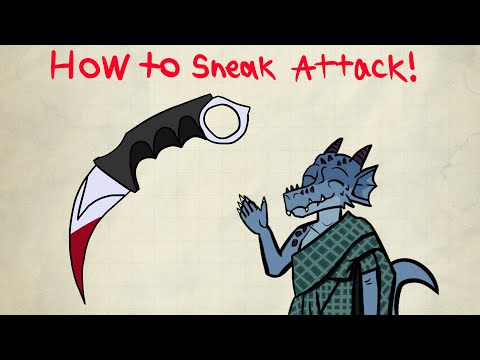
The ability to hide is a cornerstone of the rogue class in Dungeons & Dragons 5th Edition (5e). It’s not just about sneaking around; it’s a core mechanic that fuels their combat prowess, allowing them to gain advantage and deliver devastating sneak attacks. But when exactly can a rogue hide? The short answer is: A rogue can attempt to hide whenever they are not clearly visible to their target, and they can use a bonus action to do so starting at level 2. This seemingly simple rule is nuanced and tied to several conditions and considerations, which we’ll explore in depth.
The Core Rules of Hiding
Before we delve into the rogue-specific details, it’s essential to understand the general rules for hiding in 5e. Hiding is an action that you can take during your turn. To attempt to hide, you must meet specific criteria, primarily:
- Not Clearly Visible: The most fundamental rule is that you cannot hide if the creature you are trying to hide from can clearly see you. This means you need some form of obscurement or cover. This could be a wall, a large piece of furniture, dense foliage, darkness, or any other element that breaks the line of sight. Remember that heavily obscured conditions (such as dense fog or total darkness) generally make it easier to hide.
- Dexterity (Stealth) Check: You must make a Dexterity (Stealth) check, rolling a d20 and adding your Dexterity modifier and proficiency bonus if you are proficient in stealth.
- Contesting Roll: The result of your Stealth check is then compared to the Passive Perception score of any creature that could potentially detect you. If they are actively looking for you, then they will make a Wisdom (Perception) check. If your stealth check equals or exceeds the relevant perception score of each creature, you are successfully hidden from those creatures.
- Breaking Stealth: Several actions can break your hidden state. These include making an attack, moving out into the open, or making excessive noise.
Rogue’s Cunning Action and Bonus Action Hide
Here’s where the rogue distinguishes itself. At level 2, the rogue gains the Cunning Action feature. One of the options provided by Cunning Action is the ability to take the Hide action as a bonus action rather than as a standard action. This is a crucial advantage, allowing a rogue to move, attack, and then hide in the same turn, or to hide, move, and attack.
Key Benefits of Rogue’s Bonus Action Hide
- Increased Mobility: Rogues can quickly reposition themselves in combat, using cover and shadows to their advantage, constantly shifting their position to confuse and outmaneuver their foes.
- Sneak Attack Advantage: Attacking from a hidden position grants the rogue advantage on the attack roll. This, combined with the requirement of advantage to trigger their sneak attack damage, makes hiding incredibly important for their damage output.
- Strategic Re-Hiding: Rogues can dart in, attack, and then swiftly slip back into hiding for added defense and a chance to attack again.
Conditions for Rogue Bonus Action Hide
- Line of Sight: Just because you can use hide as a bonus action does not bypass the standard conditions of hiding. You still need to be out of line of sight to your target, or heavily obscured from your target.
- Stealth Check: You will still need to make a Dexterity (Stealth) check against the target’s passive or active perception.
Hiding in Combat
One of the most common misconceptions is that hiding is only useful outside of combat. In reality, hiding is a crucial tactic during combat, especially for rogues.
- Exploiting Cover: Use terrain like walls, pillars, trees, and even other party members to break line of sight.
- Shadows and Obscurity: Dark areas, fog, or spells that create obscurement can provide hiding opportunities.
- Guerrilla Tactics: Rogues excel at hit-and-run tactics, ducking in and out of cover to strike and then hide again.
Limitations of Hiding
It’s important to note that even with Cunning Action, there are limitations to hiding:
- Blindsight: Creatures with blindsight can automatically see through visual obscurement, so they can’t be tricked by normal hiding tactics.
- True Sight: Creatures with True sight can see through both magical and mundane effects so they will automatically see you whether you’re hiding, invisible or otherwise.
- Sound: Making excessive noise can still give away your location, even if you are technically hidden.
- DM Discretion: Ultimately, the DM has the final say on whether or not a hiding attempt is successful, especially in situations with unusual circumstances.
Frequently Asked Questions (FAQs) About Hiding as a Rogue
1. Can a rogue hide every turn?
Yes, a rogue can attempt to hide every turn, provided they can break line of sight and are not actively being observed. However, it might not always be strategically optimal depending on the situation and their available actions.
2. Can a rogue hide in plain sight?
No, rogues cannot simply hide in plain sight. They require some form of cover or obscurity, making them not clearly visible to their target.
3. Can a rogue hide if they are in melee range?
Yes, if the rogue can move behind an object, another creature or into an obscure area that is within melee range, they can attempt to hide.
4. Does hiding grant advantage on stealth checks?
No, the hiding action does not automatically grant advantage on stealth checks. It simply allows a character to attempt to hide.
5. Does the invisible condition grant advantage on stealth checks?
No, the invisible condition does not explicitly grant advantage on stealth checks. However, a DM may choose to grant advantage at their discretion.
6. Do rogues get invisibility?
Not inherently. Rogues do not get an invisibility spell as a core class feature. However, Arcane Trickster rogues can learn the spell Invisibility at 8th level.
7. Can a rogue hide from a creature with blindsight?
No, unless magic is specifically cloaking the rogue, normal hiding methods will not work against a creature with blindsight.
8. Can a ranger hide as a bonus action?
Yes, starting at 14th level, rangers gain the ability to use the Hide action as a bonus action, making them better at stealth and mobility.
9. Does attacking break stealth?
Yes, making an attack action will immediately break your stealth. Once you attack, all creatures with line of sight to your target will see you and know your location.
10. Does moving in stealth break hiding?
No, you can move while hidden, but moving out into the open or making excessive noise can cause you to be noticed.
11. Does hide do damage?
The hide action, on its own, does not deal damage. Its purpose is to make a creature unseen and not deal damage.
12. Can a rogue move three times in a single turn?
Yes, through the use of the Ready action in combination with dash and Cunning Action.
13. Does hiding grant advantage on attacks?
Yes, if a creature is successfully hidden from another creature and makes an attack, they would gain advantage on that attack. This advantage would grant a Rogue their sneak attack if they hit with it.
14. Can you use a bonus action to disengage or dash then a bonus action to hide?
No. Cunning Action only allows you to use one of its available options in a single bonus action. You cannot use two different bonus actions in the same turn.
15. Is it possible to roll a zero in D&D?
No, a roll of 0 is not possible because a D&D d20 is based on numbers 1-20. A roll of 1 is always considered a critical failure regardless of modifier.
Conclusion
The ability to hide effectively is crucial for a rogue to survive and thrive in D&D 5e. Their ability to hide as a bonus action thanks to Cunning Action makes them masters of stealth and maneuverability, especially in combat. By understanding the core rules, limitations, and strategic applications, you can leverage this feature to its fullest potential, creating a truly cunning and deadly character. Always remember to use cover, darkness, and strategy to your advantage, and don’t be afraid to experiment with different tactics to see what works best for you and your rogue.