Which Sekiro Ending Has the Most Content?
Fast answer first. Then use the tabs or video for more detail.
- Watch the video explanation below for a faster overview.
- Game mechanics may change with updates or patches.
- Use this block to get the short answer without scrolling the whole page.
- Read the FAQ section if the article has one.
- Use the table of contents to jump straight to the detailed section you need.
- Watch the video first, then skim the article for specifics.
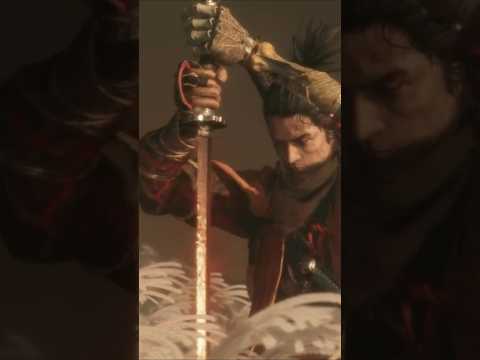
The “Return” ending in Sekiro: Shadows Die Twice undeniably offers the most content and narrative depth. While all four endings provide closure to Wolf’s journey, the Return ending requires the most steps, involves the most characters, and reveals the deepest secrets of the Dragon’s Heritage and the Divine Child.
Diving Deep into Sekiro’s Endings
Sekiro: Shadows Die Twice presents players with a crucial choice at the game’s climax: how to proceed with Kuro, the Divine Heir. This choice dictates which of the four available endings you’ll unlock: “Shura,” “Immortal Severance,” “Purification,” and “Return.” Each ending carries significant implications for the characters and the world of Ashina, but they differ considerably in their complexity and the amount of gameplay required to achieve them.
The Allure of the “Return” Ending
The “Return” ending (also known as the “Dragon’s Homecoming” ending) stands out because it demands meticulous exploration, intricate dialogue interactions, and specific item collection. This ending sheds the most light on the Dragon’s Heritage, the Divine Child (Kuro), and the mysterious Rejuvenating Waters. It involves following a specific, multi-stage questline involving the Divine Child of Rejuvenating Waters in the Senpou Temple, requiring players to:
- Gather specific items: The Holy Chapter: Infested and the Holy Chapter: Dragon’s Return are crucial books to find.
- Listen to and understand NPC dialogue: The Divine Child’s words and actions hold the key to unlocking the ending.
- Engage with optional areas and bosses: Exploring the Hidden Temple and defeating the Folding Screen Monkeys are essential steps.
- Perform specific actions: Offering Persimmons and rice to the Divine Child are critical for advancing the storyline.
The “Return” ending culminates in a hopeful, yet bittersweet, departure from Ashina, promising a cure for the Dragon’s Heritage and a brighter future for Kuro.
Comparing the Other Endings
While the “Return” ending offers the most content, let’s briefly compare it with the other options:
- “Shura” Ending: This ending is the shortest and easiest to achieve. It involves betraying Kuro and siding with Owl. This leads to a swift conclusion and an alternative boss fight against Emma and Isshin Ashina. While offering unique challenges and a darker narrative twist, it lacks the depth and length of the other endings.
- “Immortal Severance” Ending: This is the “default” ending and the most straightforward to unlock. It involves following the main storyline and choosing to sever Kuro’s immortality. It requires defeating the Divine Dragon and making the “Severance” choice. This ending provides a clear conclusion but less supplemental content than “Return” or “Purification.”
- “Purification” Ending: This ending requires a specific set of steps involving Emma and the Old Grave. You’ll need to eavesdrop on certain conversations and acquire certain items like the Everblossom Branch. It ends with an additional boss fight against Owl and offers a more nuanced understanding of Kuro’s motivations. It offers more content than “Immortal Severance” but less than the “Return” ending.
Why the “Return” Ending Rules Supreme
The “Return” ending’s richness stems from its dedication to fleshing out the game’s lore and expanding upon the character arcs. It’s not just about reaching the final boss and making a choice; it’s about immersing yourself in the world, understanding the motivations of the characters, and actively participating in a quest that transcends the immediate conflict. This active engagement is why players often prioritize the “Return” ending for subsequent playthroughs.
Frequently Asked Questions (FAQs)
1. What exactly is the Dragon’s Heritage?
The Dragon’s Heritage is a mystical power possessed by Kuro, the Divine Heir. It grants immortality but also poses a threat to the world by causing a phenomenon known as the “Red-Eyed Curse” or the “Dragonrot.” The Dragon’s Heritage is a central point for almost all the endings.
2. How do I start the “Return” ending questline?
The questline begins after defeating the Folding Screen Monkeys in the Senpou Temple. You need to find the Divine Child of Rejuvenating Waters and follow her instructions.
3. Where do I find the Holy Chapters?
The Holy Chapter: Infested can be found in the Senpou Temple, Mt. Kongo area, hidden within a secret passage after defeating the Armored Warrior. The Holy Chapter: Dragon’s Return is given to you by the Divine Child after progressing her questline.
4. What is the significance of giving rice to the Divine Child?
Giving rice to the Divine Child is a crucial step in progressing her questline. She needs to “give you rice” multiple times. After consuming the rice you will advance her questline forward.
5. What does the “Return” ending actually depict?
The “Return” ending depicts Wolf, Kuro, and the Divine Child embarking on a journey to the West, seeking a way to sever the Dragon’s Heritage and prevent the Dragonrot from plaguing the world.
6. Is the “Shura” ending considered the “bad” ending?
The “Shura” ending is generally considered the “bad” ending because it depicts Wolf succumbing to bloodlust and becoming a demon, betraying Kuro and killing many key characters.
7. Which ending is the easiest to get?
The “Shura” ending is the easiest to obtain as it requires only one critical choice at the top of Ashina Castle.
8. Do I need to defeat all bosses to get the “Return” ending?
Yes, you need to defeat all mandatory bosses to unlock the “Return” ending, including the Divine Dragon and the final boss, Isshin, the Sword Saint (or Emma and Isshin Ashina for the “Shura” ending). However, this is the same requirement for other endings, too.
9. Can I get multiple endings in one playthrough?
No, you can only get one ending per playthrough. To see all endings, you need to play through the game at least four times.
10. What happens to Wolf in each ending?
In the “Shura” ending, Wolf becomes a demon consumed by bloodlust. In the “Immortal Severance” ending, Wolf continues his service of the Divine Heir, implied to be now mortal. In the “Purification” ending, Wolf takes his own life after fulfilling his duty. In the “Return” ending, Wolf accompanies Kuro and the Divine Child on their journey to the West.
11. Does the “Return” ending have any unique boss fights?
The “Return” ending does not have any unique boss fights of its own. However, the quests to complete the ending sometimes involve difficult choices that might trigger boss fights. The Owl Father boss fight in the Purification ending is considered a hard boss fight that needs to be completed to continue the storyline.
12. Is there a “true” ending in Sekiro?
Whether there’s a “true” ending is subjective. However, many players consider the “Return” ending to be the most satisfying and complete, as it offers the most hope for the future of Ashina and its inhabitants.
13. What are the key items required for the “Return” ending besides the Holy Chapters?
Key items include the Frozen Tears (obtained after progressing the Divine Child’s quest) and the Dragon Tears (obtained after defeating the Divine Dragon). You also need to consume the Dragon Tears to obtain any ending but Shura.
14. How does the “Purification” ending differ from the “Immortal Severance” ending?
The “Purification” ending involves a more intricate questline related to Emma and the Old Grave, culminating in an additional boss fight against Owl (Father). The “Immortal Severance” ending is a more straightforward path focused on severing immortality.
15. Does the “Return” ending change the New Game Plus experience?
The “Return” ending does not significantly alter the New Game Plus experience compared to other endings. You retain your skills, upgrades, and items, allowing you to explore different paths and endings in subsequent playthroughs.