Which Zelda Game Has the Darkest Story? Unraveling the Shadows of Hyrule
Fast answer first. Then use the tabs or video for more detail.
- Watch the video explanation below for a faster overview.
- Game mechanics may change with updates or patches.
- Use this block to get the short answer without scrolling the whole page.
- Read the FAQ section if the article has one.
- Use the table of contents to jump straight to the detailed section you need.
- Watch the video first, then skim the article for specifics.
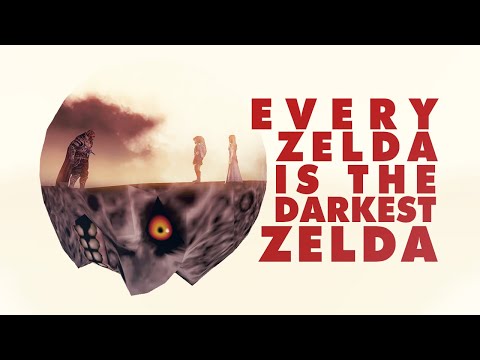
Without a doubt, the Zelda game with the darkest story is The Legend of Zelda: Majora’s Mask. While other titles in the series touch upon themes of loss and struggle, Majora’s Mask plunges players into a world teetering on the brink of annihilation, saturated with grief, regret, and the acceptance of inevitable doom. The constant ticking clock, the masked characters burdened with untold sorrows, and the overarching sense of impending apocalypse make it an unparalleled exploration of darkness within the usually bright and heroic Zelda universe.
Why Majora’s Mask Reigns Supreme in Darkness
Many elements contribute to Majora’s Mask‘s deeply unsettling atmosphere and narrative:
The Imminent End
The core mechanic of the three-day cycle forces players to confront the reality of impending doom. Termina is destined for destruction by a falling moon if Link doesn’t intervene. This isn’t a distant threat; it’s a constant, visible presence looming over every action, conversation, and interaction. Each cycle restarts, forcing Link to relive tragedies and witness the same heartbreaks repeatedly, adding layers of psychological weight to the experience.
The Masks of Grief
The masks in Majora’s Mask aren’t just gameplay mechanics; they’re powerful symbols of coping with loss and trauma. Each mask represents a character who has suffered some form of tragedy, and by wearing them, Link doesn’t just gain their abilities; he embodies their pain and history. The transformation masks are particularly poignant, each tied to a character who has died or suffered immense loss, offering Link a temporary escape from his own grief while simultaneously confronting the grief of others.
The Bleak World of Termina
Unlike the familiar landscapes of Hyrule, Termina is a world steeped in despair. Each region, from the swamp of Woodfall to the frozen peaks of Snowhead, is plagued by unique problems and burdened by the suffering of its inhabitants. The Ikana Canyon is perhaps the most striking example, a desolate land haunted by undead souls trapped by regret and unfinished business.
The Unsettling Happy Mask Salesman
The Happy Mask Salesman is one of the most enigmatic and unsettling characters in the Zelda series. His exaggerated expressions, unsettling demeanor, and unnerving knowledge of events create an atmosphere of constant unease. His presence reinforces the game’s themes of manipulation, identity, and the masks we wear to hide our true feelings.
Lack of Hope
While other Zelda games feature a clear distinction between good and evil with an ultimate victory for the hero, Majora’s Mask offers no such comfort. Even if Link saves Termina, he only delays the inevitable. The underlying sadness and lingering sense of loss permeate every aspect of the game.
Dark Horses in the Zelda Universe
While Majora’s Mask stands out as the darkest, other Zelda titles explore mature and somber themes:
-
Twilight Princess: With its eerie, muted color palette and themes of political corruption and possession, Twilight Princess presents a darker, more mature vision of Hyrule. The struggles of the Twili and the haunting story of Midna add layers of complexity and sorrow to the narrative.
-
Link’s Awakening: While visually charming, Link’s Awakening grapples with themes of reality vs. illusion and the moral implications of destroying a dream to save the waking world. Link’s journey is marked by a growing sense of unease as he realizes the consequences of his actions.
-
Ocarina of Time: The time skip in Ocarina of Time plunges Hyrule into a dark and desolate state, ruled by Ganondorf. The game explores the consequences of failure and the burden of responsibility, as Link must confront the devastation caused by his inaction. Even the music became much more darker in the adult timeline.
The Enduring Appeal of Darkness
Despite its dark themes, Majora’s Mask remains one of the most beloved and critically acclaimed Zelda games. Its willingness to explore mature and complex emotions, its innovative gameplay mechanics, and its unforgettable characters make it a truly unique and unforgettable experience. The game’s exploration of grief, loss, and the acceptance of mortality resonates with players on a deep and personal level, solidifying its place as the darkest, and perhaps most profound, entry in the Zelda series. Through gaming, players have the ability to learn more about themselves as well as the virtual world that they have immersed themselves in. You can check out the Games Learning Society for more information.
Frequently Asked Questions (FAQs)
1. Is Majora’s Mask the scariest Zelda game?
While subjective, many players consider Majora’s Mask the scariest Zelda game due to its unsettling atmosphere, creepy character designs, and the constant threat of the moon crashing down. The game preys on feelings of anxiety and dread more than outright jump scares.
2. Why is Majora’s Mask so depressing?
The game is depressing because it deals with themes of death, loss, and the inevitability of destruction. The three-day cycle forces players to witness the same tragedies repeatedly, and the masks represent characters burdened with immense sorrow.
3. What makes Majora’s Mask so unique compared to other Zelda games?
Majora’s Mask is unique due to its three-day cycle mechanic, its focus on side quests and character interactions, and its dark, mature themes. Unlike other Zelda games that focus on defeating a singular evil, Majora’s Mask is about helping the people of Termina cope with their individual struggles.
4. Is Majora’s Mask suitable for young children?
Due to its dark themes and potentially unsettling imagery, Majora’s Mask may not be suitable for very young children. Parental guidance is recommended.
5. Which Zelda game has the most mature storyline?
Majora’s Mask is generally considered to have the most mature storyline due to its exploration of grief, loss, and the acceptance of mortality.
6. Does Twilight Princess have a darker story than Breath of the Wild?
Yes, Twilight Princess generally has a darker story than Breath of the Wild. Twilight Princess delves into themes of political corruption, possession, and a world shrouded in twilight, while Breath of the Wild, despite its post-apocalyptic setting, offers a greater sense of hope and freedom.
7. What is the most disturbing moment in Majora’s Mask?
There are many disturbing moments, but the Elegy of Emptiness statues, which are lifeless, vacant representations of Link, are particularly unsettling. The various character’s own impending doom and acceptance of death, can also be very disturbing.
8. Why is the Happy Mask Salesman so creepy?
The Happy Mask Salesman is creepy due to his exaggerated expressions, unsettling demeanor, and his unnerving knowledge of events. He seems to know more than he lets on, and his true motives are never fully revealed.
9. How does the music contribute to the darkness of Majora’s Mask?
The music in Majora’s Mask is often somber, melancholic, and unsettling, reflecting the game’s dark atmosphere. The Clock Town theme becomes increasingly frantic as the moon gets closer, adding to the sense of panic and dread.
10. Is there any hope in Majora’s Mask?
While the game is undeniably dark, there are moments of hope and resilience. Link’s acts of kindness and compassion can bring comfort to the people of Termina, even in the face of impending doom.
11. How does the moon symbolize the darkness in Majora’s Mask?
The moon symbolizes the impending apocalypse and the weight of Termina’s impending doom. It is a constant reminder of the limited time Link has to save the world and the inevitability of destruction.
12. What are the deeper meanings behind the masks in Majora’s Mask?
The masks represent coping mechanisms, hidden identities, and the ability to step into the shoes of others. They allow Link to understand and empathize with the struggles of the people of Termina.
13. Which Zelda game has the saddest ending?
Some consider Link’s Awakening to have a particularly sad ending, as Link must destroy the Wind Fish’s dream, causing the island and all its inhabitants to disappear. The ending to Majora’s Mask can also be considered very sad, as even after saving Termina, Link has not truly addressed his own trauma.
14. How does Majora’s Mask explore themes of grief and loss?
The game explores these themes through the stories of its characters, each grappling with some form of loss, whether it be the death of a loved one, the loss of their home, or the loss of hope. Link, too, is dealing with the loss of Navi, his companion from Ocarina of Time.
15. What impact does the darkness of Majora’s Mask have on the player?
The darkness of Majora’s Mask can have a profound emotional impact on the player, forcing them to confront uncomfortable truths about loss, grief, and the acceptance of mortality. However, it can also be a cathartic experience, allowing players to explore and process their own emotions.
You can learn more about how video games impact society through the GamesLearningSociety.org website.