Unraveling the Triad: The Protagonists of Suikoden III
Fast answer first. Then use the tabs or video for more detail.
- Watch the video explanation below for a faster overview.
- Game mechanics may change with updates or patches.
- Use this block to get the short answer without scrolling the whole page.
- Read the FAQ section if the article has one.
- Use the table of contents to jump straight to the detailed section you need.
- Watch the video first, then skim the article for specifics.
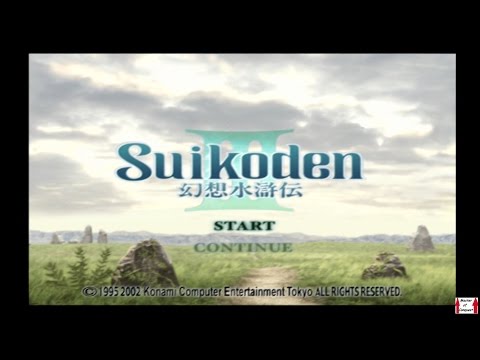
Suikoden III boasts a unique narrative structure, differing significantly from its predecessors. Instead of a single, overarching protagonist, it presents three distinct perspectives, each offering a crucial piece of the larger story. The protagonists are: Hugo, a young Grasslander from the Karaya Clan; Chris Lightfellow, a steadfast knight of the Zexen Federation; and Geddoe, a calculating commander from the Harmonian Southern Frontier Defense Force. These characters, initially on opposing sides of a growing conflict, gradually converge, forcing players to confront the complexities of war and the blurring lines between right and wrong.
The Tri-View System: A New Approach to Storytelling
Suikoden III’s “Tri-View System” allows players to experience the narrative from three different angles, each with its own motivations, alliances, and challenges. This system encourages players to deeply consider the nuances of the conflict and understand the reasons behind each faction’s actions. By playing through each character’s storyline, the player gains a more comprehensive understanding of the political landscape and the intricate web of relationships that drive the plot.
Hugo: The Grasslands Perspective
Hugo represents the Grasslands perspective. He is the son of Lucia, the Karaya Clan chief, and embodies the spirit of his people: proud, fiercely independent, and deeply connected to their land. Hugo’s journey begins with the destruction of his village, thrusting him into a quest for revenge and survival. His story explores the themes of loss, prejudice, and the struggle to maintain identity in the face of overwhelming odds.
Chris Lightfellow: The Zexen Federation’s Dilemma
Chris Lightfellow embodies the Zexen Federation perspective. As a captain of the Zexen Knights, she is bound by duty and honor. However, she is increasingly conflicted by the Federation’s actions and its aggressive expansionist policies. Chris’s story delves into the themes of duty versus conscience, the consequences of political ambition, and the search for justice within a flawed system.
Geddoe: The Harmonian Watchman
Geddoe presents the Harmonian perspective, though with a significant degree of moral ambiguity. As a leader in the Harmonian Southern Frontier Defense Force, he is tasked with maintaining order along the border with the Grasslands. Geddoe is pragmatic, ruthless when necessary, but ultimately seeks to prevent a full-scale war. His story explores themes of the cost of maintaining peace, the morality of preemptive action, and the internal conflicts within a powerful empire.
The Convergence of Fates
The true power of Suikoden III lies in how these three perspectives eventually intertwine. The decisions made as Hugo, Chris, and Geddoe have ripple effects, influencing the other characters’ storylines and ultimately shaping the fate of the Grasslands. Players are forced to confront the consequences of their actions and understand how their choices contribute to the larger narrative. The game culminates in a united effort against a common enemy, highlighting the importance of understanding, empathy, and cooperation in overcoming conflict.
This approach to storytelling, emphasizing multiple viewpoints and the interconnectedness of events, aligns with the goals of Games Learning Society, which aims to explore the potential of games for education and understanding complex social issues. You can explore more about this at GamesLearningSociety.org.
Suikoden III: Protagonists – Frequently Asked Questions
Here are some frequently asked questions to further explore the nuances of Suikoden III’s protagonists and their roles in the narrative:
1. How old are the main characters at the beginning of Suikoden III?
Hugo is 13 years old, Chris Lightfellow is 15 years old, and Geddoe is 21 years old. Their ages reflect their respective levels of experience and responsibility within their factions.
2. What is the significance of Fubar, Hugo’s griffon?
Fubar is Hugo’s loyal companion and steed, representing the bond between the Grasslanders and the natural world. Fubar also plays a significant role in Hugo’s battles and provides a symbol of hope and resilience throughout his journey.
3. What are Chris Lightfellow’s key motivations?
Chris is driven by a strong sense of justice and duty. She believes in protecting the people of Zexen, but becomes increasingly disillusioned with the Federation’s methods and seeks a more honorable path.
4. Why is Geddoe so secretive about his past?
Geddoe’s past is shrouded in mystery, and he is reluctant to reveal details about his life before joining the Harmonian Southern Frontier Defense Force. This secrecy adds to his enigmatic persona and suggests a hidden depth beneath his stoic exterior.
5. Does the order in which you play the characters’ storylines matter?
While the game allows players to choose which character’s storyline to pursue first, there is a general consensus that playing Hugo’s story first provides a good introduction to the world and the initial conflict.
6. How do the protagonists’ storylines intersect?
The protagonists’ storylines intersect in various ways, from direct confrontations on the battlefield to indirect consequences of their actions impacting each other’s factions.
7. Are the protagonists aware of each other’s perspectives?
Initially, the protagonists are largely unaware of each other’s perspectives and motivations. However, as the story progresses, they gradually begin to understand the complexities of the conflict and the humanity of their opponents.
8. What is the role of the True Rune in Suikoden III?
The True Rune of Wind plays a significant role in the overall narrative, influencing the actions of several characters and ultimately driving the conflict towards its climax. It is linked to Luc, who eventually becomes the game’s main antagonist.
9. Who is the Flame Champion, and what is his connection to the Grasslands?
The Flame Champion is a legendary hero who led the Grasslanders in a rebellion against Harmonia 50 years before the events of Suikoden III. He is a symbol of resistance and inspires hope in the Grasslanders.
10. What is the significance of the Unicorn Brigade?
The Unicorn Brigade is a unit within the Zexen Knights led by Chris Lightfellow. They are known for their skill and dedication, and play a crucial role in the events of the game.
11. How does Suikoden III explore themes of prejudice and discrimination?
Suikoden III tackles themes of prejudice and discrimination through the interactions between different races and factions, highlighting the dangers of judging others based on their origins or affiliations.
12. What is the ultimate goal of the protagonists in Suikoden III?
The ultimate goal of the protagonists is to prevent a full-scale war between the Grasslands, the Zexen Federation, and Harmonia, and to find a lasting solution that ensures peace and stability for the region.
13. How does the recruitment of the 108 Stars of Destiny impact the narrative?
Recruiting all 108 Stars of Destiny unlocks additional storylines and provides a more complete understanding of the world and its characters. It is also necessary to unlock the true ending of the game.
14. What makes Suikoden III’s storytelling unique compared to other RPGs?
Suikoden III’s multi-protagonist system and emphasis on political intrigue set it apart from many other RPGs, offering a more nuanced and complex exploration of war and its consequences.
15. Where does Suikoden III fit within the overall Suikoden timeline?
Suikoden III is set approximately 16 years after the events of Suikoden II, continuing the overarching narrative of the series and exploring new regions and conflicts within the same world.