The Tangled Web of Betrayal: Unmasking the Traitors in Red Dead Redemption 2
Fast answer first. Then use the tabs or video for more detail.
- Watch the video explanation below for a faster overview.
- Game mechanics may change with updates or patches.
- Use this block to get the short answer without scrolling the whole page.
- Read the FAQ section if the article has one.
- Use the table of contents to jump straight to the detailed section you need.
- Watch the video first, then skim the article for specifics.
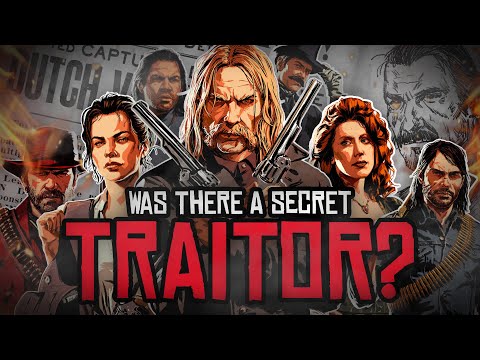
The world of Red Dead Redemption 2 is a complex tapestry woven with loyalty, ambition, and ultimately, betrayal. While the game masterfully crafts a narrative where clear-cut heroes and villains are blurred, several characters emerge as traitors, their actions shattering the Van der Linde gang and leading to its tragic demise. So, who are the traitors? The answer is multifaceted, but primarily, the major betrayers are Micah Bell, and, arguably, Dutch van der Linde, through his actions and choices, although not in the same way. The game also presents a very divisive theory that includes Abigail Roberts. Each character’s motivations and actions, however, are critical to understanding the full scope of betrayal in the game.
Micah Bell: The Malicious Informant
Undeniably, Micah Bell stands as the primary antagonist and most blatant traitor in Red Dead Redemption 2. From his introduction, Micah exudes a sense of malice and self-interest. While initially presenting himself as a loyal member of the gang, it’s eventually revealed that he was working as an informant for the Pinkerton National Detective Agency ever since his return from Guarma.
Micah’s Actions as a Traitor
Micah’s betrayal isn’t just a singular act; it’s a series of calculated moves that destabilize the gang from within:
- Providing Information: He consistently fed information to the Pinkertons, leading to ambushes, raids, and the deaths of gang members. This is confirmed by Agent Milton to Arthur during the rescue of Abigail.
- Manipulating Dutch: Micah subtly manipulates Dutch van der Linde, playing on his paranoia and vanity, turning him against other loyal members, particularly Arthur Morgan. This manipulation leads to the disastrous downfall of the gang.
- Sowing Discord: He actively created friction within the gang, fostering distrust and creating a schism that ultimately tore the group apart. He painted loyalists like Arthur and John as disloyal doubters, further deepening the divides.
- Direct Conflict: When confronted, Micah is shown to be extremely violent. He does not hesitate to challenge, fight, and kill those who oppose him.
Micah’s actions are driven by a lust for power, wealth, and a sadistic pleasure in chaos. He sees the gang as a means to an end, not a brotherhood worth protecting. His character is designed as the classic snake in the grass: appearing loyal, but ultimately acting only in his own best interest.
Dutch Van Der Linde: The Betrayal of Ideals
While not directly a “rat” to the law, Dutch van der Linde betrays the core values of his gang and its members, thus being a traitor in a deeper, more impactful way. His actions stem from a combination of paranoia, a lust for power, and a desperate clinging to his grandiose vision.
Dutch’s Betrayal Through Actions
- Blind Faith in Micah: Dutch consistently favored Micah over other members, even when evidence of his treachery was presented. This blind faith was a critical factor in the gang’s downfall, making him culpable in the group’s demise.
- Turning on Loyalists: He began to view long-term, trusted gang members like Arthur and John Marston as threats due to the manipulation from Micah and his own growing paranoia. This ultimately leads to him abandoning them when they need him most.
- Abandoning Principles: Driven by a desperate pursuit of his “plan,” Dutch abandons the principles of loyalty, family, and moral justice that were once central to the gang’s identity. He became callous and erratic, making decisions based on impulse rather than reason or care.
- Self-Destructive Behavior: His reckless decisions, driven by his unraveling mental state, ultimately lead to the gang’s demise. His unwavering belief in his vision causes him to neglect the well-being of those who followed him.
Dutch’s betrayal is not one of intent, but one of profound failure of leadership. He allows his fear and ego to lead him down a path of destruction, betraying the very people who trusted and believed in him. His character serves as a tragic reminder of the destructive nature of unchecked ego.
Abigail Roberts: The Controversial Theory
A controversial theory suggests that Abigail Roberts (later Abigail Marston) could also be a traitor, although evidence for this claim is much weaker and more circumstantial than with Micah and Dutch. This theory is largely based on:
- Desire for Peace: Abigail expressed many times her wish to leave the gang and settle into a peaceful family life with John and Jack. Some interpret this desire as motivation to potentially provide information that would help bring down the gang and allow her to escape.
- Knowledge of Activities: She was around the gang and knew a lot about their movements and plans.
- Lack of Direct Evidence: There is no direct in-game evidence that confirms Abigail’s betrayal. This theory is mainly a fan hypothesis.
While Abigail was not a direct “rat” like Micah, the idea that her desire for a better life could have caused her to potentially work with others to bring the gang down remains a debated topic within the Red Dead Redemption 2 community. However, this theory clashes heavily with the established game lore, which clearly portrays Abigail as a loving mother and devoted partner to John, making it highly unlikely she would risk their future.
The Complexities of Betrayal
Ultimately, Red Dead Redemption 2 explores the complexities of betrayal, highlighting that it can manifest in different forms, from outright treachery to the slow erosion of trust. Micah’s actions serve as a classic example of malicious betrayal, while Dutch’s represent a betrayal of ideals and leadership. The theory that Abigail was a traitor, while controversial, adds another layer to this exploration of trust, motive, and the tragic consequences of broken loyalty. The game ultimately uses these betrayals to drive the narrative forward, and allows the player to truly appreciate the complexities of the relationships within the gang and how they changed as the story progressed.
Frequently Asked Questions (FAQs)
1. Did Micah actually rat out the gang?
Yes, without a doubt. Agent Milton confirms to Arthur that Micah was an informant for the Pinkertons after his return from Guarma.
2. Why did Micah betray Arthur?
Micah did not specifically betray Arthur, he betrayed the entire gang. He manipulated Dutch into believing Arthur was a traitor as well, so that he could ultimately rise to power after destroying what was left of the Van Der Linde gang.
3. Was Abigail the rat in RDR2?
There is no conclusive evidence to support this. This theory exists among fans, but it’s not supported by the in-game narrative. Micah is the confirmed rat.
4. Why did Dutch like Micah so much?
Dutch’s favoritism toward Micah stemmed from a combination of factors: Micah saving Dutch’s life, Micah’s manipulative nature playing on Dutch’s ego, and Dutch’s growing paranoia that clouded his judgment.
5. Did Dutch know Micah was a rat?
It’s unclear if Dutch knew about Micah being a rat, however, it is shown that he knew Micah could be a rat. The game suggests that he ignored the possibility and chose to believe Micah instead of testing the validity of the claim.
6. Why did Dutch betray Arthur?
Dutch’s betrayal of Arthur was a result of his growing paranoia, fueled by Micah’s manipulation. Dutch believed Arthur was undermining his authority and challenging his leadership.
7. Did Dutch really care about Arthur?
While it’s likely Dutch had some genuine affection for Arthur, his ego, paranoia and lust for power led him to prioritize his vision and own survival above all else.
8. What mental illness does Dutch have in RDR2?
Dutch exhibits strong characteristics of narcissistic personality disorder. He shows an inflated ego, a need for admiration, and a lack of empathy.
9. Who is the true villain of RDR2?
While there are multiple antagonistic characters in Red Dead Redemption 2, Micah Bell is the main antagonist and the clear villain, responsible for much of the gang’s suffering.
10. What did Micah do wrong?
Micah’s wrongdoings include betraying the gang, being a Pinkerton informant, manipulation, violence, and overall being a malicious and self-serving character.
11. Why does Micah have a scar on his face?
Micah’s scar is from a knife fight with Arthur. If you have high honor in Arthur’s end, he slashes Micah’s eye during your fight.
12. Did Dutch regret not helping Arthur?
It is never directly stated whether or not Dutch regretted his actions, but given his character’s mental state and narcissism, the game does not clearly show if he felt remorse.
13. Who was Abigail Marston with before John?
Abigail had relations with several members of the Van der Linde gang before settling into her relationship with John Marston.
14. Why does Dutch hate John?
Dutch’s hatred towards John grew from his paranoia, believing that John was disloyal. He also perceived John as a constant source of doubt.
15. Was Micah Delilah’s son?
The theory that Delilah was Micah’s mother stems from two stories from the Bible that mentions Delilah and Micah in succession. However, there is no in game confirmation of this.