The Labyrinth of Loyalty: Unraveling the Betrayals of Michael Corleone
Fast answer first. Then use the tabs or video for more detail.
- Watch the video explanation below for a faster overview.
- Game mechanics may change with updates or patches.
- Use this block to get the short answer without scrolling the whole page.
- Read the FAQ section if the article has one.
- Use the table of contents to jump straight to the detailed section you need.
- Watch the video first, then skim the article for specifics.
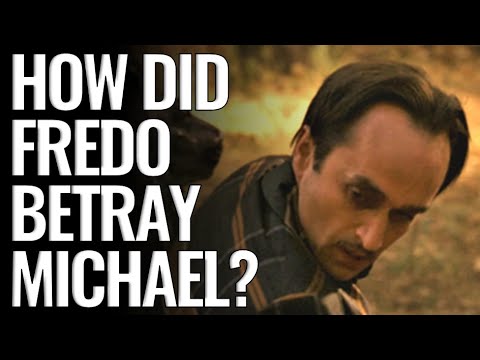
Michael Corleone, the seemingly reluctant heir to a sprawling criminal empire, faces a relentless barrage of betrayals throughout The Godfather saga. From close associates driven by greed to family members plagued by insecurity, the motivations behind these acts of treachery are complex and often tragic. The key individuals who betrayed Michael Corleone are: Salvatore “Sal” Tessio, Fredo Corleone, Fabrizio, and, indirectly, Carlo Rizzi (through his betrayal of Sonny). Each betrayal cuts deep, shaping Michael’s character and solidifying his ruthless reign.
The Traitors and Their Treachery
Sal Tessio: The Old Friend’s Fatal Ambition
Tessio, one of Vito Corleone’s oldest and most trusted friends, ultimately betrays Michael out of a desire for power. Seeing the shifting tides of the Five Families and sensing the Corleone family’s vulnerability after Vito’s death, Tessio aligns himself with Don Barzini. He offers Michael up at a “peace summit” held in Tessio’s Brooklyn territory, planning for Barzini to assassinate Michael and leave Tessio to inherit what remained of the Corleone empire. Tessio’s betrayal is particularly poignant, as it highlights the corrosive nature of ambition and the loss of innocence within the Corleone world.
Fredo Corleone: The Brother’s Bitterness
Fredo’s betrayal is driven by a potent mix of inferiority, resentment, and naivete. Constantly overshadowed by Michael and Sonny, Fredo yearns for respect and recognition. He is approached by Johnny Ola, an associate of Hyman Roth, and provides seemingly innocuous information about the family’s movements and intentions. This information inadvertently facilitates an assassination attempt on Michael’s life. While Fredo claims ignorance of Roth’s true intentions, his actions are a clear breach of trust and have devastating consequences, ultimately leading to his own tragic demise. Fredo’s weakness makes him a pawn in a much larger game.
Fabrizio: A Price on Loyalty
Fabrizio, Michael’s bodyguard in Sicily, is responsible for the death of Apollonia, Michael’s first wife. Driven by greed and a desire to escape the violence and instability of Sicily, Fabrizio accepts a bribe from Michael’s enemies to plant a car bomb. This act of betrayal is a pivotal moment in Michael’s transformation, solidifying his resolve to avenge Apollonia’s death and ruthlessly eliminate any threat to his family. Fabrizio’s actions are a stark reminder of the ever-present danger surrounding the Corleones.
Carlo Rizzi: The Catalyst for Vengeance
While Carlo never directly betrays Michael, he is indirectly responsible for Sonny’s death. Carlo abuses Connie, Sonny’s sister, and sets Sonny up to be ambushed and murdered by Barzini’s men after a particularly brutal fight. This act of violence ignites Michael’s fury and sets in motion a chain of events that culminates in the infamous baptism scene, where Michael orders the simultaneous executions of all his enemies, including Carlo. This is the ultimate revenge for the death of Sonny.
Frequently Asked Questions (FAQs)
1. What were Tessio’s final words to Tom Hagen?
Tessio’s final words to Tom Hagen reveal his understanding of his fate and his lingering loyalty to the Corleone family: “Tell Mike it was only business. I always liked him.” These words underscore the tragic nature of his betrayal, highlighting the fact that even those closest to the Corleones could be swayed by ambition.
2. Why did Michael kill Fredo?
Michael ultimately orders Fredo’s death because Fredo’s betrayal, however unintentional, directly endangered Michael and the family. In the world of the Corleones, loyalty is paramount, and Fredo’s weakness and collaboration with enemies could not be tolerated.
3. How did Hyman Roth betray Michael?
Hyman Roth orchestrated a complex scheme to assassinate Michael and seize control of the Corleone family’s assets. He used Fredo as an unwitting source of information and aligned himself with other rival families to destabilize the Corleones. Roth’s betrayal was motivated by greed and a desire for revenge against Moe Greene’s murder.
4. Who was the “rat” in The Godfather?
The four individuals consistently identified as “rats” who betrayed the Corleone family are Salvatore “Sal” Tessio, Paulie Gatto, Fabrizio, and Carlo Rizzi. These individuals, through their actions and allegiances, jeopardized the safety and stability of the Corleone family.
5. Did Michael regret killing Fredo?
The film strongly suggests that Michael felt immense guilt and remorse over ordering Fredo’s death. The consequences of his decision haunt him throughout The Godfather Part III, alienating him from his ex-wife, Kay, and his son, Anthony. Michael’s internal conflict showcases the human cost of his ruthless actions.
6. Why did Carlo abuse Connie?
Carlo Rizzi abused Connie as a way to assert dominance and control, particularly because he felt inferior to the Corleone family. He resented their wealth and power, and his abuse of Connie was a means of striking back at them.
7. Did Connie forgive Michael?
Yes, in The Godfather Part III, Connie explicitly tells Michael that she forgives him for ordering Carlo’s death and for the actions he took to protect the family. This forgiveness represents a form of closure for both characters.
8. How did Michael get revenge for Apollonia?
Michael avenged Apollonia’s death by tracking down and killing Fabrizio, the man who planted the car bomb. He sent Neri to execute Fabrizio, ensuring that Apollonia’s death was avenged in the same violent manner in which she died.
9. What was Fredo’s primary weakness?
In the films, Fredo’s primary weakness is his insecurity and feelings of inadequacy. He craves respect but lacks the strength and intelligence to earn it. In the novel, his primary weakness is his womanizing which is a habit he develops after moving to Las Vegas.
10. Why did Michael marry Apollonia?
Michael’s marriage to Apollonia served multiple purposes. It was a symbol of his assimilation into Sicilian culture and a statement of his commitment to his father’s way of life. It also represented a turning point in his character, marking his full embrace of the Corleone family’s criminal enterprise.
11. Did Michael really love Kay?
Michael did love Kay, though their relationship was complex and fraught with conflict. He loved her for her intelligence, her independence, and her innocence, but his involvement in the Mafia ultimately destroyed their marriage.
12. How old was Michael Corleone when he died?
Michael Corleone was 77 years old when he died in 1997.
13. Who was the main villain in The Godfather Part III?
Osvaldo “Ozzie” Altobello is the primary antagonist of The Godfather Part III. Altobello, while outwardly a friend and advisor to Michael, secretly conspires to assassinate him and seize control of the Corleone family’s interests.
14. Who killed Mary Corleone?
Mary Corleone was accidentally killed by a stray bullet during an assassination attempt on Michael’s life. The assassin Mosca intended to kill Michael but instead fatally wounded Mary, leading to her tragic death.
15. Is there a connection between the Godfather and learning through games?
While seemingly unrelated, the complex strategic dynamics in The Godfather can serve as a captivating case study in subjects like Game Theory, decision-making, and power structures, topics often explored in educational games and simulations. Organizations like the Games Learning Society explore the educational potential of gaming. To learn more, visit GamesLearningSociety.org.
Understanding who betrayed Michael Corleone is essential for grasping the core themes of The Godfather: the corrupting influence of power, the erosion of family bonds, and the tragic consequences of a life steeped in violence. These betrayals serve as pivotal plot points, constantly reshaping Michael’s choices and defining his legacy.