Who Betrayed the Van der Linde Gang in Red Dead Redemption 2?
Fast answer first. Then use the tabs or video for more detail.
- Watch the video explanation below for a faster overview.
- Game mechanics may change with updates or patches.
- Use this block to get the short answer without scrolling the whole page.
- Read the FAQ section if the article has one.
- Use the table of contents to jump straight to the detailed section you need.
- Watch the video first, then skim the article for specifics.
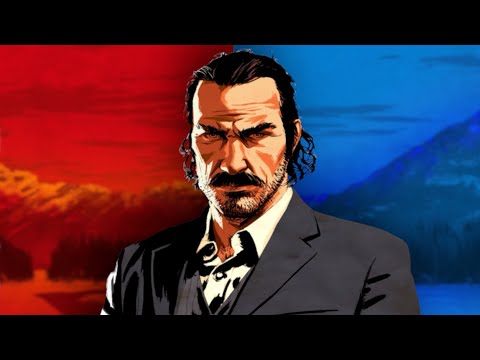
The question of who betrayed the Van der Linde gang in Red Dead Redemption 2 is complex and multifaceted, more a tapestry woven with threads of paranoia, desperation, and conflicting loyalties than a simple answer. While multiple characters contributed to the gang’s downfall, ultimately, Micah Bell III stands as the primary betrayer. His duplicity, his willingness to serve his own interests above all else, and his ultimate collaboration with the Pinkertons directly led to the gang’s disintegration and the tragic fate of many of its members. While others made questionable choices, Micah’s actions were deliberate, malicious, and ultimately fatal to the idealistic, yet flawed, vision of Dutch van der Linde.
Micah Bell: The Serpent in the Garden
Micah’s arrival in the gang signaled a turning point. He possessed a brutality and a disregard for human life that contrasted sharply with the (admittedly fading) moral compass of many other members. While the gang engaged in questionable activities, they often attempted to justify them within a framework of survival and a flawed sense of justice. Micah, however, seemed to relish the violence and chaos, actively pushing Dutch toward more extreme and reckless actions.
His influence on Dutch cannot be overstated. Dutch, already displaying signs of paranoia and a growing inability to adapt to the changing world, found in Micah a validation of his increasingly radical beliefs. Micah’s whispered suggestions, his constant fanning of Dutch’s ego, and his willingness to execute Dutch’s most ruthless orders cemented his position as Dutch’s most trusted advisor, effectively eclipsing Arthur Morgan’s role.
The evidence against Micah is overwhelming. After the Saint Denis bank heist, Micah was captured by the Pinkertons and, in exchange for his freedom and immunity, agreed to act as an informant. This agreement is corroborated by Agent Milton himself in a conversation with Arthur. He admits to having Micah on the payroll for months, providing the Pinkertons with invaluable information about the gang’s activities and whereabouts.
Furthermore, Micah’s actions within the gang actively undermined their efforts. He instigated conflicts, pushed for risky ventures, and sowed seeds of doubt and discord among the members. His presence created an atmosphere of mistrust and paranoia, further fracturing the already strained relationships within the group. Even after Dutch seemingly abandons Arthur in the final showdown against Colm O’Driscoll, Micah is seen whispering in Dutch’s ear, ensuring Arthur is left to die.
Other Contributing Factors to the Gang’s Downfall
While Micah is the primary antagonist and betrayer, it’s important to acknowledge that other factors contributed to the Van der Linde gang’s demise.
-
Dutch van der Linde’s Eroding Sanity: Dutch’s descent into madness played a crucial role. His inability to accept the changing times, his obsession with a dying way of life, and his growing paranoia led him to make increasingly irrational decisions that ultimately doomed the gang. His reliance on Micah further exacerbated this issue.
-
The Changing World: The encroachment of civilization and the relentless pursuit of law enforcement made it increasingly difficult for the gang to operate. The Wild West was fading, and the Van der Linde gang, clinging to outdated ideals, were unable to adapt.
-
Internal Conflicts: The gang was plagued by internal conflicts and disagreements. Ideological differences, personal rivalries, and a growing sense of disillusionment created fissures within the group, making them vulnerable to outside forces. Characters like John Marston, questioning Dutch’s leadership and the gang’s direction, added to the instability.
-
Hosea Matthews’ Death: Hosea’s death removed the only voice of reason capable of restraining Dutch’s worst impulses. Hosea served as Dutch’s conscience and his strategic advisor, and without him, Dutch was easily manipulated by Micah.
The Consequences of Betrayal
The consequences of Micah’s betrayal were devastating. The Van der Linde gang, once a force to be reckoned with, was scattered and destroyed. Many members were killed, imprisoned, or forced to live in hiding. Arthur Morgan, the moral compass of the gang, succumbed to tuberculosis exacerbated by a brutal fight with Micah, making him a tragic victim of Micah’s scheming.
John Marston, with the help of his family and remaining loyal members, eventually avenged Arthur and brought Micah to justice. But the scars of betrayal and loss remained, forever marking the lives of those who survived.
Understanding the Narrative’s Nuances
Red Dead Redemption 2 is a complex and nuanced narrative, and the question of betrayal is not a simple black-and-white issue. While Micah is undoubtedly the primary antagonist, the game explores the complexities of morality, loyalty, and the human condition. It forces players to confront difficult questions about the nature of good and evil and the consequences of our choices. Analyzing the game’s themes and characters can offer valuable insights into human behavior and the challenges of navigating a changing world. For more on game-based learning and the deeper meanings within games, consider exploring the resources offered by the Games Learning Society at https://www.gameslearningsociety.org/.
Frequently Asked Questions (FAQs)
1. Was Dutch aware of Micah’s betrayal?
It’s highly debated. Dutch’s mental state deteriorated significantly throughout the game. While he was certainly manipulated by Micah, it’s unclear if he was fully aware of the extent of Micah’s betrayal until the very end. His final confrontation with John and Micah suggests a flicker of understanding, but his motivations remain ambiguous.
2. Did Agent Milton confirm Micah was working for the Pinkertons?
Yes. During a tense standoff with Arthur and Sadie Adler, Agent Milton explicitly states that Micah has been working for them for quite some time, providing information on the gang’s whereabouts and activities. This is one of the most damning pieces of evidence against Micah.
3. Could the Van der Linde gang have survived if Micah hadn’t joined?
It’s unlikely. The gang was already facing significant challenges, including the encroaching civilization and the relentless pursuit of law enforcement. However, without Micah’s influence, they might have made different choices and potentially avoided the catastrophic events that led to their downfall.
4. Why did Dutch trust Micah so easily?
Dutch was becoming increasingly paranoid and isolated. He saw Micah as someone who validated his increasingly radical beliefs and was willing to carry out his most ruthless orders without question. Micah’s unwavering loyalty (or the appearance of it) appealed to Dutch’s ego and sense of control.
5. Was there anyone else besides Micah who betrayed the gang?
Colm O’Driscoll, leader of the rival O’Driscoll gang, actively worked against the Van der Linde gang. While not a member of the gang, his actions certainly contributed to their problems. Molly O’Shea is another debated figure, though her alleged confession to being an informant is dubious and likely a result of heartbreak and desperation.
6. What was Micah’s motivation for betraying the gang?
Self-preservation and personal gain. Micah was primarily motivated by his own survival and a desire for wealth and power. He saw the gang as a means to an end and was willing to betray them to secure his own future.
7. Did Arthur know about Micah’s betrayal before his death?
Yes. Arthur learned about Micah’s betrayal from Agent Milton shortly before their final confrontation. This knowledge fueled his determination to save John and his family.
8. How did Micah know about the Blackwater heist going wrong?
This is never explicitly explained in the game. It’s possible he was involved in planning the heist and deliberately sabotaged it, or that he simply overheard information and used it to his advantage. The ambiguity surrounding this event adds to Micah’s mystique and treachery.
9. Did Hosea suspect Micah?
Hosea was consistently wary of Micah and voiced his concerns to Dutch and Arthur. He recognized Micah’s untrustworthy nature and attempted to warn Dutch about his influence.
10. What happened to Micah after the events of Red Dead Redemption 2?
Micah escaped into the mountains with a small group of followers. He remained a wanted man until John Marston tracked him down and killed him in 1907.
11. Was Bill Williamson a betrayer?
While Bill was not the sharpest tool in the shed, he was ultimately loyal to Dutch in his own way. He wasn’t actively betraying the gang, but his incompetence and lack of judgment often created problems.
12. Why did Dutch leave the money behind after killing Micah?
This is open to interpretation. Some believe it was a sign that Dutch finally realized the error of his ways and was renouncing the life of an outlaw. Others believe he was simply too broken and disillusioned to care about the money anymore. It remains one of the game’s most enduring mysteries.
13. Did Sadie Adler suspect Micah?
Sadie harbored a deep distrust of Micah from the beginning. She witnessed his violent tendencies firsthand and was vocal about her concerns regarding his presence in the gang. She was a staunch ally of Arthur and John in their fight against Micah.
14. What impact did the betrayal have on John Marston?
Micah’s betrayal had a profound impact on John. It solidified his resolve to break free from the outlaw life and protect his family at all costs. His pursuit and eventual killing of Micah was a crucial step in his journey towards redemption.
15. Is there any redemption for Micah Bell?
No. Micah is portrayed as a purely evil character with no redeeming qualities. His actions are consistently selfish, cruel, and motivated by greed. There is no attempt to humanize him or offer any explanation for his behavior beyond a basic desire for power and wealth.