Who Buys Broken Nintendo Switches?
Fast answer first. Then use the tabs or video for more detail.
- Watch the video explanation below for a faster overview.
- Game mechanics may change with updates or patches.
- Use this block to get the short answer without scrolling the whole page.
- Read the FAQ section if the article has one.
- Use the table of contents to jump straight to the detailed section you need.
- Watch the video first, then skim the article for specifics.
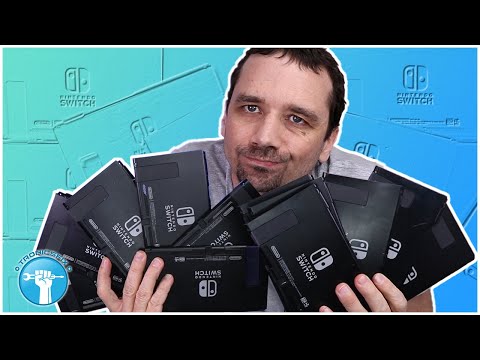
Several entities and individuals are actively seeking broken Nintendo Switches. These include repair shops, electronics recyclers, individual hobbyists, online marketplaces, and parts resellers. Each has different motivations, ranging from sourcing components for repairs to extracting valuable materials or simply enjoying the challenge of fixing them.
Why Buy a Broken Switch?
The motivations for purchasing a broken Nintendo Switch are diverse, often dictated by the buyer’s expertise, resources, and intended use. Understanding these motivations sheds light on who is most likely to be interested in your damaged console.
Repair and Refurbishment
- Repair shops are a primary buyer of broken Switches. They use these consoles for spare parts, allowing them to repair other devices and offer affordable repair services. A common scenario involves using a screen from a broken Switch with a functional motherboard to fix a Switch with a cracked display.
- Refurbishers acquire broken Switches to bring them back to working order. They repair or replace faulty components, clean the console, and then resell it as a refurbished unit at a lower price than a new one. This offers consumers a more budget-friendly option and reduces electronic waste.
Parts Harvesting
- Parts resellers specifically target broken Switches for their functional components. These components, such as buttons, joysticks, motherboards, and LCD screens, can be sold individually to repair shops, DIY enthusiasts, or other resellers. This market thrives on the ongoing demand for replacement parts for the Switch.
Electronic Waste Recycling
- Electronics recyclers purchase broken Switches to responsibly dispose of and recover valuable materials. They dismantle the console, separate components, and extract precious metals like gold, silver, and copper. This process minimizes environmental impact and recovers valuable resources.
Hobbyists and DIY Enthusiasts
- Hobbyists and DIY enthusiasts often buy broken Switches as a project. They enjoy the challenge of diagnosing and repairing electronics. Fixing a broken Switch can be a rewarding experience and a way to learn about electronics repair. They might also use parts from broken consoles for custom projects.
Data Recovery
- In some cases, individuals may seek to buy a broken Nintendo Switch to attempt data recovery. This is particularly relevant if the console contains valuable save data or other important information that is not backed up. Data recovery can be a complex process, often requiring specialized equipment and expertise.
Where to Sell Your Broken Nintendo Switch
Several avenues exist for selling your broken Nintendo Switch. Each offers different benefits and drawbacks, so consider your priorities – convenience, price, and speed – before making a decision.
Online Marketplaces
- eBay: A popular platform for selling broken electronics. You can list your Switch with detailed descriptions and photos, and set your own price or use an auction format. Be transparent about the issues with the console to avoid disputes.
- Facebook Marketplace: A convenient option for local sales. You can reach a wide audience in your area and arrange for pickup or delivery. Listing is free, and you can negotiate the price with potential buyers.
- Craigslist: Similar to Facebook Marketplace, Craigslist is a platform for local classified ads. It’s a good option if you prefer cash transactions and avoid shipping. However, be cautious and meet in a public place for safety.
Dedicated Buyback Programs
- Some companies specialize in buying broken electronics, including Nintendo Switches. These programs often offer a quick and easy way to sell your device. They typically provide a quote based on the condition of the console, and you can ship it to them for payment. Examples include Swappa (which allows listing for broken items) and Decluttr.
Local Repair Shops
- Contact local repair shops and inquire if they are interested in buying your broken Switch. They may offer a lower price than online marketplaces, but it’s a convenient option if you want to avoid shipping and waiting for payment.
Factors Affecting the Price of a Broken Switch
The price you can get for your broken Nintendo Switch depends on several factors, including:
- The nature of the damage: Consoles with minor issues like a broken screen or a faulty joystick will typically fetch a higher price than those with severe damage, such as water damage or a completely unresponsive motherboard.
- The model of the Switch: The original Nintendo Switch, the Switch Lite, and the Switch OLED model have different values. The OLED model, being the newest and most sought-after, will generally command the highest price, even when broken.
- The completeness of the console: Including the original box, Joy-Cons, dock, and other accessories can increase the value of your broken Switch.
- Market demand: The demand for used Switch parts can fluctuate, affecting the prices offered for broken consoles.
- Your location: Local market conditions and the availability of repair shops and recyclers can influence the price you receive.
Frequently Asked Questions (FAQs)
1. Is it worth selling a broken Nintendo Switch?
Yes, in most cases, it’s worth selling a broken Nintendo Switch. Even if the console is severely damaged, it still contains valuable components that can be used for repairs or recycling. The amount you receive may not be significant, but it’s better than letting it sit unused.
2. What types of damage make a Switch unsellable?
While most broken Switches have some value, severe damage can significantly reduce or eliminate its worth. This includes extensive water damage that corrodes the motherboard, significant physical damage that renders the console unusable, or a completely fried motherboard.
3. How much can I expect to get for a broken Nintendo Switch?
The price varies widely depending on the factors mentioned above. You might get anywhere from $20 to $100 or more, depending on the severity of the damage and the model. It’s always best to get multiple quotes to get a better understanding of the current market value.
4. Should I try to repair my Switch myself before selling it?
This depends on your skills and resources. If you have experience with electronics repair and can fix the issue relatively easily, it might be worth it. However, if you lack the necessary skills or the repair is complex, attempting to fix it yourself could potentially worsen the damage and decrease its value.
5. What information should I provide when selling a broken Switch?
Be honest and transparent about the issues with the console. Provide a detailed description of the damage, including any known problems and any attempts you’ve made to repair it. Include clear photos of the console from all angles, highlighting the damage.
6. Is it safe to sell a broken Switch online?
Yes, as long as you take precautions. Use reputable platforms like eBay or Swappa, and be wary of suspicious buyers or deals that seem too good to be true. Protect your personal information and use secure payment methods. Consider meeting in a public place if selling locally.
7. How do I ship a broken Switch safely?
Pack the console securely in a sturdy box with plenty of padding to prevent further damage during transit. Use bubble wrap, packing peanuts, or other protective materials to cushion the console. Insure the package for the estimated value of the Switch.
8. Can I sell a Switch that has been banned from online services?
Yes, you can still sell a Switch that has been banned from online services. While the console cannot be used for online gaming, it can still be used for offline play and for parts. Be sure to disclose that the console is banned when selling it.
9. What if I don’t know what’s wrong with my broken Switch?
If you’re unsure about the exact cause of the problem, describe the symptoms as accurately as possible. Include details about when the issue started and any troubleshooting steps you’ve taken. This information can help potential buyers assess the value of the console.
10. Are there any ethical considerations when selling a broken Switch?
Yes, it’s important to be transparent about the condition of the console and to avoid misrepresenting its value. Be honest with potential buyers and avoid making false claims about its functionality. This ensures a fair and ethical transaction.
11. Is it better to sell my broken Switch for parts or as a whole unit?
This depends on the type of damage and your selling skills. If you’re comfortable disassembling the console and selling the individual parts, you might make more money. However, this requires more time and effort. Selling the console as a whole unit is generally easier and faster.
12. Can I donate my broken Nintendo Switch?
Yes, some charities and organizations accept donations of broken electronics for repair or recycling. Check with local organizations to see if they accept broken Switches.
13. What are the environmental benefits of selling or recycling a broken Switch?
Selling or recycling a broken Switch helps reduce electronic waste, conserve valuable resources, and minimize environmental pollution. It prevents hazardous materials from ending up in landfills and allows for the recovery of precious metals.
14. How can I find local repair shops that buy broken Switches?
Use online search engines like Google or Yelp to search for local repair shops. Contact them directly to inquire about their policies on buying broken Switches.
15. What alternatives are there to selling a broken Nintendo Switch?
If you’re not interested in selling, you could use the console for spare parts yourself if you have other Switches, donate it to a local school or community center for educational purposes, or simply recycle it responsibly at a designated e-waste recycling facility.