Who Can Truly Overthrow the King of Gods? Exploring Potential Rivals to Zeus
Fast answer first. Then use the tabs or video for more detail.
- Watch the video explanation below for a faster overview.
- Game mechanics may change with updates or patches.
- Use this block to get the short answer without scrolling the whole page.
- Read the FAQ section if the article has one.
- Use the table of contents to jump straight to the detailed section you need.
- Watch the video first, then skim the article for specifics.
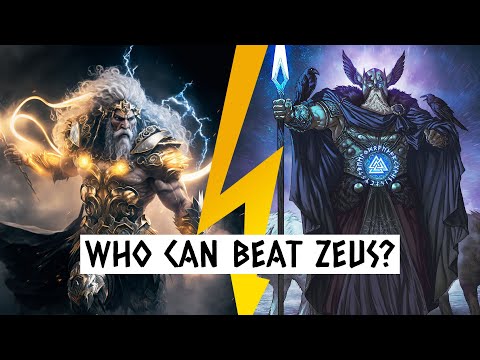
The question of who could defeat Zeus, the King of the Olympian Gods, is a complex one, steeped in mythological nuances and interpretations. The simple answer? It’s complicated. While Zeus holds immense power and is often portrayed as nearly invincible, certain beings and circumstances present potential threats or limitations to his dominance. These include abstract forces like the Fates (Moirai), beings of immense primordial power like Nyx, his own kin such as a child from Metis, powerful monsters such as Typhon, and, perhaps surprisingly, Zeus himself. The possibility of a united rebellion from other gods led by figures like Hera, Poseidon, and Athena also constitutes a significant threat. Furthermore, in the realm of fictional crossover battles, beings of immense power such as Goku (in certain forms) could potentially challenge his authority. Ultimately, the answer depends on the specific narrative and interpretation of Zeus’s powers and weaknesses within a given context.
Exploring the Pantheon: Potential Contenders
Abstract Forces: The Fates (Moirai)
The Fates, or Moirai, represent destiny itself. They are often considered even more powerful than Zeus, as even his actions are supposedly bound by their decrees. As the poet Quintus of Smyrna stated, “To the Moirai, the might of Zeus must bow…” This suggests that while Zeus may rule the gods, he cannot escape his fate, making the Fates a superior force. It’s not a direct combat situation, but rather a limitation on his overall power.
Primordial Powers: Nyx
Nyx, the Goddess of Night, embodies primordial darkness and predates even the Olympian Gods. She represents a fundamental aspect of the cosmos, and even Zeus is said to fear and revere her. This isn’t necessarily because she could defeat him in a physical confrontation, but rather due to her immense power and the respect he holds for her seniority and the primal forces she commands. Her power is not readily quantifiable, but her influence is undeniable.
The Prophecy of Metis’s Child
A major threat to Zeus’s power came from a prophecy that his first child with Metis, Athena, would be wise, and their second child, a son, would overthrow him. To prevent this, Zeus swallowed Metis whole while she was pregnant. This act ultimately led to Athena’s dramatic birth from Zeus’s head, fully grown and armed. While the prophecy was subverted, it highlights the vulnerability Zeus felt regarding a potential challenge to his rule from his own offspring.
Monsterous Might: Typhon
Typhon, a monstrous giant with serpentine features, represented a significant threat to Zeus. Typhon challenged Zeus for control of the cosmos in a titanic battle that nearly ended in Zeus’s defeat. The text suggests Typhon is the strongest being in the cosmos, even surpassing Zeus. Ultimately, Zeus triumphed using his thunderbolts, but the battle underscores the fact that beings of immense power could indeed threaten his reign.
Internal Rebellion: The Combined Might of the Gods
On more than one occasion, the text tells us that there were rebellion attempt made by the other gods. Hera, Poseidon, Athena, and even Apollo, all tried to overthrow the king of the gods by binding him with chains. As the Iliad states several times that Zeus is powerful enough to defeat all of the gods combined, and this rebellion attempt may have only failed due to the divine intervention of Thetis.
The Inevitable Enemy: Zeus Himself
The text also mentions Zeus himself as a potential defeater of Zeus. This is more symbolic, perhaps referencing the idea that Zeus’s own actions or flaws could lead to his downfall. It’s a concept often explored in mythology – that even the most powerful beings are ultimately undone by their own hubris or mistakes.
Cross-Fictional Clash: Zeus vs. Goku
The debate of Zeus vs. Goku is a staple in the fictional battle community. The text even notes Zeus would probably lose to Goku in his avatar form, however, in Zeus‘s true form, which is non-corporeal beyond time and space and all multiverse, that he should win.
FAQs: Diving Deeper into Zeus’s Power and Vulnerabilities
FAQ 1: Are the Fates truly more powerful than Zeus?
Yes, in the sense that Zeus, like all beings, is subject to fate. They dictate the course of events and even Zeus cannot alter their decisions. However, it’s not a matter of direct combat; their power lies in controlling destiny itself.
FAQ 2: Could another Olympian God defeat Zeus in a one-on-one fight?
It’s unlikely. The text suggests that Zeus is powerful enough to defeat all the other gods combined. While some gods possess unique strengths, Zeus’s control over the skies and his mastery of thunderbolts give him a significant advantage.
FAQ 3: How did Typhon almost defeat Zeus?
Typhon’s immense size, strength, and ability to breathe fire made him a formidable opponent. He overwhelmed Zeus with his sheer power, forcing Zeus to rely on all his abilities and eventually defeat him with his thunderbolts.
FAQ 4: Why is Nyx revered by even Zeus?
Nyx represents the primordial darkness and night, predating the Olympian Gods. Her power is fundamental to the cosmos, and Zeus respects her age, power, and the essential role she plays in the universe.
FAQ 5: If Zeus swallowed Metis, why was Athena born from his head?
This is a unique aspect of the myth. After swallowing Metis, Zeus developed a terrible headache. Hephaestus split open his head to relieve the pain, and Athena sprang forth, fully grown and armed, showcasing her divine birth.
FAQ 6: Did Zeus ever actually lose a battle?
The text mentions times when Zeus has been disempowered, though not necessarily defeated outright. The rebellion attempt showed Zeus could have been captured and imprisoned. The fact that Typhon almost defeated Zeus implies Zeus could possibly lose a battle.
FAQ 7: Is there any known weapon that can kill Zeus?
The primary vulnerabilities of Zeus come not from weapons, but from abstract concepts like fate, prophecy, and the collective power of other deities. Specific weapons are not generally identified as capable of killing him.
FAQ 8: What are Zeus’s main powers and abilities?
Zeus’s main powers include control over the skies, thunder and lightning, immense strength and durability, immortality, and the ability to shape-shift.
FAQ 9: Is Zeus the most powerful god in all mythologies?
That’s a highly debated topic. Different mythologies have their own supreme deities with varying power levels. Comparing them directly is often subjective and depends on the specific interpretations of each mythology. For instance, some argue that beings like Jesus (in Christian theology) are significantly more powerful.
FAQ 10: What role did Hera play in challenging Zeus’s power?
Hera, as Zeus’s wife and Queen of the Gods, often opposed his actions and sought to undermine his authority. She led rebellions, schemed against him, and used her own influence to challenge his dominance.
FAQ 11: How does the concept of fate limit Zeus’s power?
The Fates weave the threads of destiny, determining the course of events for gods and mortals alike. Zeus, despite his power, is bound by their decrees, meaning he cannot always act freely or alter the predetermined future.
FAQ 12: In the rebellion attempt, how did Thetis help Zeus?
By securing the aid of the Hecatoncheires, monstrous giants with immense strength, Thetis prevented the other gods from successfully overthrowing Zeus. This intervention highlights the importance of alliances in maintaining power.
FAQ 13: What is Tartarus, and why is it significant in the context of Zeus’s power?
Tartarus is the deepest, darkest region of the underworld, used as a prison for the Titans and other dangerous beings. Zeus banished his enemies to Tartarus, demonstrating his power to imprison and contain even the most formidable threats.
FAQ 14: Is there any connection between Zeus’s power and his lineage?
Yes, Zeus is the son of Cronus, the Titan king, and ultimately overthrew his father to claim his throne. This act of rebellion and succession highlights the importance of power dynamics and the constant struggle for dominance within the pantheon.
FAQ 15: Where can I learn more about Greek Mythology and the powers of different gods?
There are many resources available! Websites like GamesLearningSociety.org often delve into mythology and its impact on culture and storytelling. You can also explore classic texts like Hesiod’s Theogony and Homer’s Iliad and Odyssey for detailed accounts of the gods and their interactions. Plus, numerous books, documentaries, and online resources offer in-depth explorations of Greek mythology.
This information should provide a comprehensive understanding of the various threats to Zeus’s power and the factors that contribute to his seemingly unshakeable reign.