Who Invented Horror? Tracing the Origins of a Terrifying Genre
Fast answer first. Then use the tabs or video for more detail.
- Watch the video explanation below for a faster overview.
- Game mechanics may change with updates or patches.
- Use this block to get the short answer without scrolling the whole page.
- Read the FAQ section if the article has one.
- Use the table of contents to jump straight to the detailed section you need.
- Watch the video first, then skim the article for specifics.
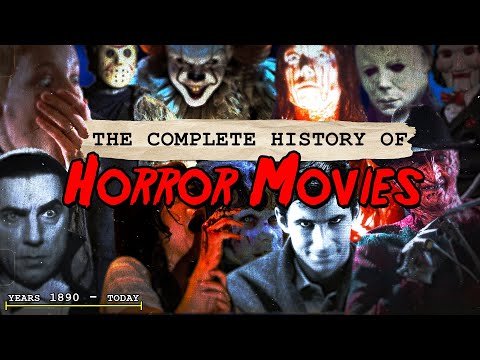
The question of who “invented” horror is complex, as the genre’s roots stretch deep into history, evolving across various forms of storytelling. There isn’t a single individual who can definitively be crowned the sole inventor. Instead, horror emerged gradually, with contributions from numerous writers, artists, and filmmakers. However, if we were to pinpoint the most pivotal figure who solidified horror as a distinct literary genre, the answer is undoubtedly Horace Walpole. While elements of horror existed long before him, it was Walpole’s 1764 novel, The Castle of Otranto, that established the foundational tropes and characteristics that define Gothic horror, and by extension, much of the horror we know today. This novel is widely credited with initiating a new literary genre.
The Genesis of Horror: More Than Just One Person
While Walpole is a crucial figure, it’s essential to acknowledge that the seeds of horror were sown long before the 18th century. Ancient civilizations from Greece and Rome explored themes of death, demons, evil spirits, and the afterlife, laying the groundwork for later horror narratives. These early stories, often rooted in folklore and religious beliefs, featured many of the classic elements still found in the genre.
The Gothic tradition that Walpole’s work inaugurated, however, marked a significant shift. It introduced elements like haunted castles, supernatural shocks, and mysterious melodrama, all packaged in a way that resonated deeply with the sensibilities of the time. The Castle of Otranto wasn’t just a scary story; it was a template, establishing the conventions that subsequent generations of authors, and eventually filmmakers, would build upon.
Walpole’s Impact and the Rise of Gothic Horror
Walpole’s novel wasn’t merely a passing fad; it sparked a craze for overwrought fiction, setting the stage for a literary movement that would profoundly influence the development of horror. His creation established not only many of the settings of horror, but also the tone, suspense, and imagery that would become staples of the genre. The Gothic novel, as it became known, paved the way for subsequent subgenres and styles of horror storytelling.
Beyond Literature: Horror’s Transition to Film
The horror genre didn’t remain confined to the written word. It eventually found a new home in the burgeoning medium of film. While discussions on early horror movies are abundant, Georges Méliès’s Le Manoir du Diable (1896), sometimes translated as “The Haunted Castle,” is widely considered the first horror film. This short film, imbued with imagery drawn from centuries of books, legends, and stage plays, brought the genre’s themes to life with demons, ghosts, witches, and a transforming haunted castle. The visual impact of film added a new dimension to the genre, further establishing its cultural significance.
Edgar Allan Poe: The Father of Psychological Horror
While Walpole might be considered the father of Gothic horror, Edgar Allan Poe is often hailed as the father of psychological horror. Poe’s explorations of the dark recesses of the human mind, coupled with his focus on madness, guilt, and the supernatural, carved a new path within the genre. His short stories, often filled with dread, unease, and the grotesque, added a critical layer of psychological depth to horror that remains influential to this day. His use of atmospheric horror, where the horror comes more from unease than outright shocking events, is highly influential to this day.
Frequently Asked Questions About the Origins of Horror
Here are 15 frequently asked questions about the invention and origins of horror, providing further insights into the development of the genre:
1. What is the oldest horror story?
While it’s impossible to definitively pinpoint the single oldest horror story, narratives featuring themes of death, the supernatural, and evil can be traced back to ancient myths and folklore, such as those from Greece and Rome. In literature, Horace Walpole’s The Castle of Otranto is often cited as the first true horror novel.
2. What is the oldest movie in history?
** Roundhay Garden Scene (1888)** is considered the oldest surviving film, but it is not a horror movie. Georges Méliès’s Le Manoir du Diable (1896) is generally accepted as the earliest horror film.
3. Who was the first slasher killer?
There is no true first slasher killer, but Tobe Hooper’s The Texas Chain Saw Massacre (1974) introduced Leatherface, who many consider the first long running slasher killer.
4. What was the first gore movie?
Herschell Gordon Lewis’s Blood Feast (1963) is widely regarded as the first splatter film, or gore movie.
5. Why is horror called horror?
The word “horror” comes from a Latin verb meaning “to bristle” or “to shudder.” The idea is that a horrified person’s hair stands on end due to fear.
6. What are the five elements of horror?
The five essential elements of a horror story are: a sense of fear, the introduction of the unknown, cliffhanger exit hooks, thrilling plot twists, and an ending that offers a glimpse of hope.
7. Why do humans like horror?
Watching horror movies activates threat-response brain regions like the amygdala, prefrontal cortex, and insula as if the danger were real. This surge of adrenaline is often followed by an elevated mood.
8. What is the scariest genre of horror?
The scariest type of horror is subjective, but paranormal horror, horror-thrillers, and body horror often elicit strong fear responses.
9. Why was The Exorcist banned?
The Exorcist was controversial and led to calls for a ban due to its religious themes and graphic content, which offended some viewers and religious authorities.
10. Why is horror not for kids?
Introducing young children to horror can potentially cause long-term anxiety, as children around age 4 are still developing the ability to manage their fears.
11. Why do people like jump scares?
Jump scares trigger a physical reaction, utilizing sudden changes in audio and visuals to create a startling and immediate impact, before the viewer can process the actual danger.
12. Is terror or horror worse?
Terror is the feeling of dread and apprehension, whereas horror is the shock and repulsion of witnessing something frightening. Terror is anticipatory, while horror is the event.
13. Is Pennywise a slasher?
While Pennywise is a frightening villain, he doesn’t fit the typical slasher archetype due to his unique methods. Slasher killers usually have identifiable weapons and motives.
14. Who is the smartest slasher killer?
The Jigsaw Killer (John Kramer) from the Saw franchise is often considered one of the most intelligent and ruthless horror villains due to his intricate traps and manipulative nature.
15. Why is horror addictive?
The tension and suspense in horror movies trigger adrenaline, followed by a rewarding release of dopamine, creating an experience that can be perceived as enjoyable and even addictive.
Conclusion
While the notion of a single inventor of horror is an oversimplification, Horace Walpole’s The Castle of Otranto is a pivotal moment in the genre’s history, solidifying many key elements of the Gothic tradition and laying the foundation for the horror we know today. The genre’s evolution, though, is not the work of one person, but a collective effort spanning centuries, involving writers, filmmakers, and storytellers who continue to push the boundaries of what frightens and enthralls us. From its literary roots to its cinematic adaptations, the horror genre remains a powerful cultural force, constantly evolving and adapting to our fears and anxieties.