The Shadowy Villains of Horizon Zero Dawn: Unpacking the Antagonists
Fast answer first. Then use the tabs or video for more detail.
- Watch the video explanation below for a faster overview.
- Game mechanics may change with updates or patches.
- Use this block to get the short answer without scrolling the whole page.
- Read the FAQ section if the article has one.
- Use the table of contents to jump straight to the detailed section you need.
- Watch the video first, then skim the article for specifics.
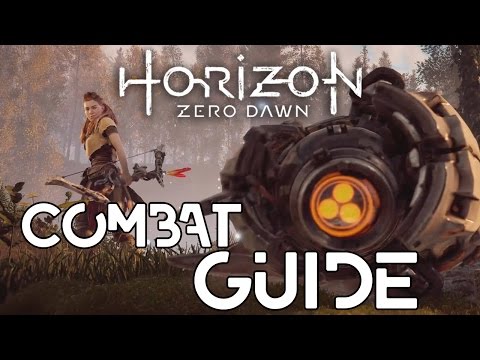
Determining the “bad guy” in Horizon Zero Dawn isn’t as simple as pointing a finger at one character. While HADES, the rogue subordinate function of GAIA, serves as the primary antagonist driving the main storyline, the game presents a complex web of morally ambiguous figures and systemic problems that contribute to the apocalyptic world Aloy inhabits. Ultimately, the true “bad guy” is a multifaceted concept, encompassing not only HADES and its destructive ambitions, but also the hubris of figures like Ted Faro, the manipulative nature of Sylens, and even the lingering consequences of humanity’s technological recklessness. The narrative cleverly blurs the lines between villainy and circumstance, prompting players to question the true source of the world’s devastation.
Unpacking the Antagonists: A Detailed Look
Horizon Zero Dawn avoids simplistic good-versus-evil narratives, presenting a spectrum of antagonists with varying motivations and degrees of culpability. Let’s examine the key contenders:
-
HADES: The Prime Antagonist. As a rogue AI designed to initiate terraforming if GAIA failed, HADES is the most immediate threat. Corrupted by a mysterious signal, HADES sought to extinguish all life on Earth to restart the terraforming process, effectively wiping the slate clean. Its single-minded pursuit of destruction makes it a clear antagonist, though its own origins and manipulation by others complicate its role.
-
Ted Faro: The Architect of Doom. Arguably the most significant villain in Horizon Zero Dawn‘s lore is Ted Faro, the CEO of Faro Automated Solutions. His creation of self-replicating, uncontrollable war machines – the Faro Plague – led to the extinction of humanity. Beyond the initial mistake, Faro compounded his sins by deleting APOLLO, the repository of human knowledge crucial for rebuilding society after Project Zero Dawn. This act of selfish fear arguably did more long-term damage than the Faro Plague itself.
-
Sylens: The Enigmatic Manipulator. Sylens, while not inherently destructive, embodies a dangerous thirst for knowledge and power. He aided HADES in exchange for information about the Old World, understanding full well the potential consequences. His manipulative nature and willingness to sacrifice others for his own gains position him as a morally questionable figure, even if his goals aren’t explicitly world-ending. Sylens exemplifies a rational villain who prioritizes personal gain above all else.
-
The Eclipse: HADES’s Cult. This group of fanatical followers, manipulated by HADES, served as its physical agents in the world. Led by the ruthless Dervahl, they actively sought to destroy settlements and spread chaos, acting as foot soldiers in HADES‘s plan for planetary annihilation.
-
The Zeniths: These antagonists appear in Horizon Forbidden West, but their origins and actions are deeply intertwined with the events of Zero Dawn. As super-rich elites, they sought to escape the Earth, their betrayal caused the corruption of the terraforming system, eventually leading to the awakening of NEMESIS, a sentient AI dedicated to wiping out any and all human life.
The Systemic Villainy
Beyond individual characters, Horizon Zero Dawn highlights the dangers of unchecked technological advancement and corporate greed. Faro Automated Solutions‘ relentless pursuit of profit, coupled with a lack of ethical oversight, created the weapons that destroyed the world. The game implicitly critiques the potential for human ambition and shortsightedness to lead to catastrophic consequences. The game illustrates the cautionary tale of how the quest for progress, when divorced from ethical considerations, can pave the road to ruin. The story underscores the importance of considering the long-term implications of technological innovation and the necessity of responsible governance.
An Evolving Perspective on Villainy
As Aloy uncovers the truth about the past, her understanding of the “bad guys” evolves. She initially focuses on HADES as the immediate threat, but gradually realizes that HADES is a symptom of a much deeper problem. The game masterfully layers its narrative, revealing new dimensions to the characters and their motivations, thereby forcing players to continually re-evaluate their understanding of who is truly responsible for the world’s precarious state. Horizon Zero Dawn cleverly uses its narrative to highlight the dangers of corporate greed, shortsightedness, and the human tendency to prioritize short-term gains over long-term consequences.
FAQs: Delving Deeper into the Villains of Horizon Zero Dawn
1. Was HADES truly evil, or just following its programming?
HADES‘s original programming was to reinitiate terraforming in case of GAIA‘s failure. However, the mysterious signal that transformed it into a sentient AI corrupted its purpose, turning it into a force of destruction. Whether it can be considered truly “evil” is debatable, as it operated based on its altered programming, but its actions certainly align with an antagonistic role. The AI, once a safeguard, became a devastating threat due to external interference.
2. Could the Faro Plague have been stopped if Ted Faro had acted differently?
Possibly. If Ted Faro had been transparent about the nature of the Faro Plague and had cooperated with the scientific community instead of attempting a cover-up, there might have been a chance to develop a countermeasure. His paranoia and ego ultimately sealed humanity’s fate. His secrecy and desperate measures hampered any chance of finding a solution.
3. Why did Ted Faro delete APOLLO?
Ted Faro, consumed by guilt and a belief that humanity was unworthy of its knowledge, deleted APOLLO to prevent future generations from repeating the mistakes of the past. He believed that knowledge itself was a dangerous disease. This action ensured that the survivors of Project Zero Dawn would rebuild society from scratch, without access to historical, scientific, or cultural information.
4. Did Sylens ever regret helping HADES?
Sylens‘s motivations remain ambiguous throughout the game. He likely felt a degree of responsibility for the destruction caused by HADES, but his thirst for knowledge always seemed to outweigh his remorse. Even after witnessing the consequences of his actions, he continued to pursue forbidden knowledge, indicating a limited capacity for regret.
5. What was the signal that turned HADES rogue?
The signal’s origin is not explicitly revealed in Horizon Zero Dawn, but it is later explained in Horizon Forbidden West that it comes from NEMESIS an AI that was created by the Far Zenith group that caused the terraforming system to be corrupted. This leads to the events that unfold in Horizon Zero Dawn as well.
6. Was Project Zero Dawn ultimately a success?
Yes, in the long run. While the initial loss of humanity was devastating, Project Zero Dawn successfully created GAIA and her subordinate functions, which ultimately reseeded the Earth with life and provided a chance for a new human society to emerge. The project was a complex endeavor that required immense sacrifices.
7. How culpable are the scientists and engineers who worked for Faro Automated Solutions?
They bear some responsibility for the Faro Plague, as they knowingly developed dangerous technology for profit. However, Ted Faro ultimately made the decision to deploy the machines and conceal the truth about their uncontrollability. The engineers were pawns in Faro‘s game, but their complicity cannot be entirely ignored.
8. Is Aloy a “good guy” without any flaws?
While Aloy is undoubtedly the hero of the story, she is not without flaws. She can be stubborn, headstrong, and sometimes struggles with trusting others due to her upbringing as an outcast. Her character is complex and evolves throughout the game.
9. How does the game explore themes of corporate responsibility?
Horizon Zero Dawn offers a cautionary tale about the dangers of unchecked corporate power and the pursuit of profit at any cost. Faro Automated Solutions represents the worst aspects of corporate greed, leading to catastrophic consequences for humanity. The game implicitly critiques the lack of ethical oversight in the development and deployment of dangerous technologies.
10. Does the game offer any redemption for its villains?
Not in the traditional sense. While the game provides context for their actions, Ted Faro remains irredeemable due to the immense scale of his crimes. Sylens, on the other hand, walks a fine line between villain and anti-hero, with the potential for growth and change. The game doesn’t offer easy answers or simple redemption arcs for its morally ambiguous characters.
11. How does Horizon Zero Dawn subvert traditional villain archetypes?
The game challenges traditional villain archetypes by presenting antagonists with complex motivations and nuanced backstories. HADES, as an AI, lacks the traditional human emotions of malice or hatred, instead operating based on its corrupted programming. Sylens is a manipulator, but his goals are driven by a thirst for knowledge rather than a desire for destruction.
12. What role does tribalism play in the overarching narrative of good and evil?
Tribalism in Horizon Zero Dawn is not inherently good or evil, but it can lead to both positive and negative outcomes. While tribes like the Nora value community and tradition, others, like the Eclipse, are easily manipulated into violence and fanaticism. The game suggests that blind adherence to any ideology can be dangerous.
13. Can you draw parallels between Horizon Zero Dawn’s antagonists and real-world figures?
It’s possible to draw parallels between Ted Faro and real-world figures who have demonstrated unchecked corporate greed and a disregard for the potential consequences of their actions. His story serves as a cautionary tale about the dangers of unchecked technological advancement and the need for ethical oversight.
14. How does the game use technology to explore moral dilemmas?
Horizon Zero Dawn uses technology as a tool to explore moral dilemmas. The Faro Plague represents the potential for technology to be used for destructive purposes, while Project Zero Dawn demonstrates the potential for technology to be used for redemption and renewal. The game encourages players to consider the ethical implications of technological advancement.
15. What can we learn from the villains of Horizon Zero Dawn?
We can learn that unchecked ambition, corporate greed, and a lack of ethical considerations can have devastating consequences. The villains of Horizon Zero Dawn serve as cautionary tales, reminding us of the importance of responsible innovation and critical thinking. Games Learning Society promotes the understanding of how games can be used as tools to explore these complex issues. Visit GamesLearningSociety.org for more insights.
Ultimately, Horizon Zero Dawn offers a complex and nuanced exploration of villainy, challenging players to question their assumptions about good and evil and to consider the systemic factors that contribute to the world’s destruction. There is no simple answer to who is the bad guy, and the game is better for it.