Unveiling the Mystery of the Blue Mushroom Character in the Mario Universe
Fast answer first. Then use the tabs or video for more detail.
- Watch the video explanation below for a faster overview.
- Game mechanics may change with updates or patches.
- Use this block to get the short answer without scrolling the whole page.
- Read the FAQ section if the article has one.
- Use the table of contents to jump straight to the detailed section you need.
- Watch the video first, then skim the article for specifics.
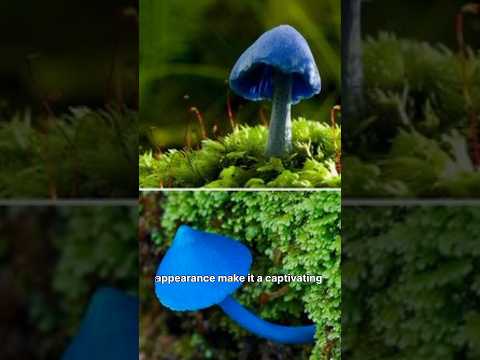
The term “blue mushroom” in the context of the Mario franchise isn’t as straightforward as it seems. It doesn’t refer to a singular character with that specific name. Instead, it’s used loosely to describe two different blue-colored mushrooms with contrasting effects: the Poison Mushroom and the Mini Mushroom. The exact meaning depends on the source you’re consulting. Let’s delve deeper into each of these fungal phenomena.
The Two Faces of the Blue Mushroom: Poison and Mini
The confusion surrounding the “blue mushroom character” arises because different materials within the Mario universe have used the term inconsistently. It’s a classic case of relying on context clues to understand the intended meaning.
The Poison Mushroom: A Retro Refernce
In the Super Mario All-Stars Player’s Guide, the infamous Poison Mushroom is referred to as a “Blue Mushroom“. This malevolent mushroom, often found in the original Super Mario Bros. and later games, has a detrimental effect on Mario. Touching it typically causes Mario to shrink back to his small form or, if already small, lose a life. The Poison Mushroom is visually distinct, often depicted as a dark mushroom with a skull or angry face, making its association with the color blue seem odd in retrospect. However, within the scope of the player’s guide, this identification is clear.
The Mini Mushroom: A Movie Misunderstanding
More recently, The Super Mario Bros. Movie (2023) referred to the Mini Mushroom as a “blue mushroom“. This mushroom, which causes Mario to shrink to a tiny size, debuted in New Super Mario Bros. and has become a staple power-up in subsequent titles. While not inherently dangerous like the Poison Mushroom, the Mini Mushroom’s effects can be risky, allowing Mario to access new areas but also making him vulnerable to enemies. The movie’s use of the term “blue mushroom” for this power-up is perhaps more visually fitting, considering the Mini Mushroom’s blue cap in many of its appearances.
Resolving the Confusion: Context is Key
Ultimately, when encountering the term “blue mushroom” in connection with the Mario franchise, it’s vital to consider the source material. Are you reading a classic player’s guide, discussing the effects of power-ups in a specific game, or referring to the movie adaptation? This context will help determine whether the “blue mushroom” refers to the dangerous Poison Mushroom or the size-altering Mini Mushroom.
Diving Deeper: Other Mushroom Characters and Power-Ups
The world of Mario is overflowing with fungal friends and foes. Let’s explore some other notable mushroom-themed aspects:
Toad: The Mushroom Kingdom’s Loyal Subject
Perhaps the most iconic mushroom character is Toad (Kinopio in Japanese). Toad isn’t just one individual; it’s the collective name for the “Mushroom People” inhabiting the Mushroom Kingdom. These loyal subjects of Princess Peach are known for their distinctive mushroom caps and helpful nature.
Other Power-Up Mushrooms
Beyond the confusing “blue mushrooms,” other significant power-up mushrooms exist. The Super Mushroom, which makes Mario grow bigger and stronger, is a classic example. The 1-Up Mushroom grants an extra life, making it one of the most coveted items in the game. Knowing the different colors and effects of these items is crucial for any Mario player! Learning resources can be found at Games Learning Society, which can be found at GamesLearningSociety.org.
Frequently Asked Questions (FAQs) About Mario’s Mushrooms
1. Are there any good blue mushrooms in Mario games?
Yes, the Mini Mushroom, sometimes referred to as a “blue mushroom” in The Super Mario Bros. Movie, can be beneficial. It allows Mario to access smaller areas and perform unique moves, though it also makes him more vulnerable.
2. Which mushroom is more dangerous, the Poison Mushroom or the Mini Mushroom?
The Poison Mushroom is generally considered more dangerous. It can instantly cause Mario to lose a life, while the Mini Mushroom only makes him smaller and more vulnerable.
3. Does Toad ever get his own power-ups?
While Toad is often a supporting character, he can gain power-ups like the Super Mushroom or Fire Flower in certain games, such as Super Mario 3D World.
4. Is there a character named Blue Toad?
Yes, Blue Toad is a playable character in games like New Super Mario Bros. Wii and New Super Mario Bros. U. He’s a friendly Toad distinguished by his blue mushroom cap.
5. What is the rarest mushroom power-up?
The 1-Up Mushroom, which grants an extra life, is usually the rarest. It’s often hidden in secret blocks or found in difficult-to-reach areas.
6. Are there any evil mushroom characters besides the Poison Mushroom?
While the Poison Mushroom is an item rather than a character, some enemies are designed to resemble mushrooms or use mushroom-based attacks.
7. What’s the difference between a Super Mushroom and a Mega Mushroom?
The Super Mushroom makes Mario grow bigger and stronger, while the Mega Mushroom transforms him into a giant, allowing him to destroy almost anything in his path for a limited time.
8. Does the color of a mushroom always indicate its effect?
While color often provides a clue (e.g., red for power, green for extra life), it’s not always a reliable indicator. As seen with the “blue mushroom” ambiguity, context is crucial.
9. In which Mario game did the Poison Mushroom first appear?
The Poison Mushroom first appeared in the original Super Mario Bros. for the Nintendo Entertainment System (NES).
10. Can Luigi use the Poison Mushroom or Mini Mushroom?
Yes, Luigi can use these mushrooms in games where he is playable. The effects are generally the same as when Mario uses them.
11. Are there any mushroom-themed levels in Mario games?
Yes, many levels are set in mushroom forests or feature mushroom-shaped platforms and structures. These levels often incorporate mushroom-related mechanics and enemies.
12. How has the design of the Super Mushroom changed over the years?
The Super Mushroom’s design has remained relatively consistent, though graphical improvements have made it more detailed and vibrant over time.
13. Is there a specific mushroom that makes Mario fly?
No specific mushroom grants Mario the ability to fly directly. Flight is usually achieved through other power-ups, such as the Super Leaf (which gives Mario a tail) or the Cape Feather.
14. What is the connection between Toad and Princess Peach?
Toad is one of Princess Peach’s most loyal retainers. He often acts as a messenger and protector of the princess. GamesLearningSociety.org can provide educational insights into the game’s lore.
15. Are there any real-world mushrooms that inspired the Mario mushrooms?
While the Mario mushrooms are fantastical, they likely draw inspiration from various real-world fungi, such as the Amanita muscaria (fly agaric), known for its bright red cap and white spots.
The “blue mushroom character” might not be a straightforward individual, but it represents the diverse and imaginative world of Mario’s fungal flora. By understanding the context and effects of the Poison Mushroom and Mini Mushroom, you can navigate the Mushroom Kingdom with confidence and avoid any unwanted side effects!