The Enigmatic Demon of Arkham Knight: Unmasking the Fearful Figure
Fast answer first. Then use the tabs or video for more detail.
- Watch the video explanation below for a faster overview.
- Game mechanics may change with updates or patches.
- Use this block to get the short answer without scrolling the whole page.
- Read the FAQ section if the article has one.
- Use the table of contents to jump straight to the detailed section you need.
- Watch the video first, then skim the article for specifics.
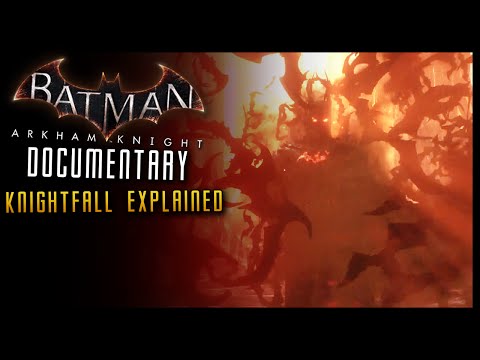
The final moments of Batman: Arkham Knight leave players with a chilling image – a demonic, bat-like figure emerging in the shadows of Gotham. This is not a new villain, nor is it some supernatural entity. The “demon” at the end of Arkham Knight is, in fact, Bruce Wayne, the Batman himself, albeit transformed. He’s not possessed, nor has he become inherently evil. Instead, he has embraced a new persona, one fueled by the very fear he has sworn to instill in criminals, effectively becoming a symbol of terror far beyond the traditional Batman persona. This transformation is achieved through a cunning blend of strategy and the exploitation of Scarecrow’s fear toxin, ultimately blurring the lines between man and myth.
The Evolution of Fear: Bruce’s Transformation
The ending of Arkham Knight is less about a new villain and more about the evolution of Batman’s tactics. After seemingly sacrificing himself to protect Gotham by publicly revealing his identity, Bruce Wayne stages his death and destroys Wayne Manor. This drastic act is not an act of surrender but a meticulously planned metamorphosis. He realizes that the known Batman, a figure of justice and heroism, cannot instill the necessary terror to eradicate crime. He needed to become something more, something that embodies the very essence of fear itself.
Scarecrow’s Influence: A Catalyst for Change
The key to Bruce’s transformation lies in Scarecrow’s fear toxin. He doesn’t succumb to it; instead, he weaponizes it. The very fear that Scarecrow uses to control others becomes Batman’s method of maintaining order, leveraging the psychological impact to truly terrify the criminal underworld. This strategy was hinted at during the game as players experience Scarecrow’s hallucinations – the demon figure in the hallucination is a clear predecessor to the figure we see in the final scene. This intentional parallel confirms that Batman utilizes similar methods to craft this new, terrifying persona.
Beyond the Symbol: A Perpetual Guardian
The demon figure is not just about fear. It represents Bruce’s commitment to Gotham. He’s not abandoning his mantle; he’s evolving it. The new Batman is meant to be a symbol that instills such dread that criminals will think twice before committing a crime. By blending the fear toxin and his own image, Bruce becomes more than a man. He transforms into a creature of myth, a guardian both terrifying and effective, ensuring the Wayne’s tragic past will never repeat.
Frequently Asked Questions (FAQs)
1. Is the demon at the end of Arkham Knight actually evil?
No, the figure is not inherently evil. It’s still Bruce Wayne, but he’s using a new approach. The “demon” persona is a strategy, an extension of his crusade against crime, leveraging fear as a primary weapon instead of the conventional methods. It’s a tactical shift, not a moral one.
2. Does the ending of Arkham Knight mean Batman is now a villain?
No, Batman isn’t a villain. The ending implies that he’s become a terrifying symbol, leveraging a more fear-based approach, but he is still driven by the same core principles of protecting Gotham from harm. This strategy is designed to deter criminal behavior, not encourage it.
3. How does Scarecrow’s fear toxin play a role in Batman’s transformation?
Batman uses his knowledge of the fear toxin to create a more terrifying figure. He is not controlled by the toxin but instead crafts a persona that leverages the hallucinatory nature of the toxin to become more intimidating. He is not a victim of the toxin, but uses the fear it inspires as a weapon.
4. Is the demonic figure in the ending the same as the hallucinations players experienced with Scarecrow?
Yes, the final scene is a deliberate parallel to the hallucinations Scarecrow experienced. This suggests that Bruce is manipulating the fear toxin to create his new persona, and deliberately uses those frightening illusions as inspiration.
5. What happened to Bruce Wayne after Arkham Knight?
Bruce Wayne publicly dies by sacrificing his identity as the Batman. He destroys Wayne Manor to further confirm his death, but is in fact still alive, operating secretly as the “demon” Batman. The destruction of Wayne Manor marks the complete end to Bruce’s public life, allowing him to move without public scrutiny.
6. Why does Bruce fake his death?
He fakes his death to become a more terrifying symbol. He realizes that his identity as the established Batman had limitations. By publicly ending that persona, he’s free to create a much more fear-inducing version of himself to deter crime.
7. Does the game definitively confirm that the demon is Bruce Wayne?
While not explicitly stated, all in-game evidence and thematic elements strongly suggest that it is, indeed, Bruce. The parallels between the figure and the hallucinatory demon, coupled with his strategic disappearance, all point to Bruce utilizing the toxin for this dramatic shift in persona.
8. Is Joker really dead in Arkham Knight?
Yes, the Joker is dead. The Joker appearances are hallucinations stemming from Batman’s infection with the Joker’s blood from Arkham City. These hallucinations add a psychological challenge for Batman in Arkham Knight.
9. What is the “Knightfall Protocol”?
The Knightfall Protocol is the game’s ending, which consists of destroying the Batman’s identity and creating the new fear-based persona. It can only be activated after defeating all major criminals including Riddler, therefore unlocking the full ending.
10. Does completing the Riddler challenges change the ending of the game?
Yes, while the base ending shows the reveal of the fear-based Batman, completing Riddler challenges unlocks a slightly extended version, showing additional character developments. This makes the Riddler challenges an essential part of the story.
11. Is Jason Todd the Arkham Knight?
Yes, Jason Todd is the Arkham Knight. He was believed to be killed by the Joker, however he was captured, tortured, and manipulated into thinking that Batman had abandoned him. He was the main antagonist of the story, before revealing himself as Jason.
12. Why does Jason Todd hate Batman?
Jason Todd hates Batman because the Joker convinced him that Batman had abandoned him. Through psychological manipulation and torture, Jason believes that Batman did not care about him and replaced him without any regard to his well-being.
13. Will there be another Arkham game?
As of now, there are no official plans for a fourth Arkham game. While fans continue to express interest in the series, Rocksteady has not announced any new projects related to the Arkham universe.
14. Is Gotham Knights connected to the Arkham games?
No, Gotham Knights is a standalone game that is not connected to the Arkham universe. It tells an original story and features a different version of the Bat-family, with a different narrative.
15. Is the “demon” Batman’s final evolution?
The “demon” Batman represents the culmination of Bruce’s strategic thinking to ensure he can continue his crusade against crime in a more impactful way. It is a transformation that provides him with increased power through fear, ensuring he will continue to operate as a symbol of terror. This makes his persona an interesting discussion point in the future of his existence.
In conclusion, the demon at the end of Batman: Arkham Knight is not an otherworldly being but the very essence of Batman, reinvented and emboldened by fear. Bruce Wayne’s transformation is a strategic masterpiece, solidifying his role as Gotham’s protector, no matter how terrifying his methods. The final scene ensures that the legacy of Batman remains, albeit under a new, more frightful guise, leaving fans to contemplate the true depths of his dedication to justice.