Who is the Scariest Boss in Silent Hill? A Deep Dive into Fear
Fast answer first. Then use the tabs or video for more detail.
- Watch the video explanation below for a faster overview.
- Game mechanics may change with updates or patches.
- Use this block to get the short answer without scrolling the whole page.
- Read the FAQ section if the article has one.
- Use the table of contents to jump straight to the detailed section you need.
- Watch the video first, then skim the article for specifics.
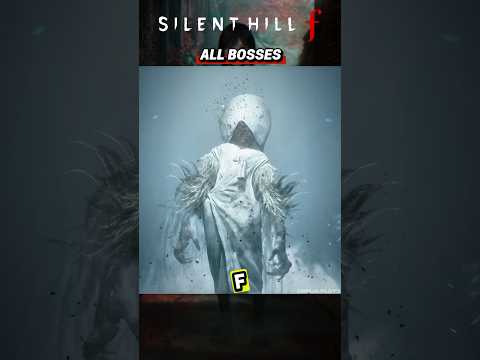
Determining the single scariest boss in the Silent Hill franchise is a subjective exercise, a descent into the personal anxieties and psychological triggers each player brings to the experience. However, considering the potent blend of disturbing imagery, symbolic weight, and sheer terror, Pyramid Head from Silent Hill 2 consistently rises to the top as the most terrifying boss in the series. His design is iconic, his presence is oppressive, and his actions are deeply disturbing, making him the ultimate embodiment of the franchise’s core themes of guilt, punishment, and repressed trauma. While other bosses certainly have their moments of dread, Pyramid Head’s impact is enduring and universally recognized, solidifying his place as the king of Silent Hill nightmares.
The Reign of Pyramid Head
Unpacking the Horror
Why is Pyramid Head so effective? It’s not just his grotesque appearance, although the rusty pyramid helmet and the Great Knife certainly contribute to the horror. It’s the meaning behind him. Pyramid Head is a manifestation of James Sunderland’s repressed guilt and desire for punishment stemming from the death of his wife, Mary. He represents James’ need to atone for his actions, taking on a form that is both physically imposing and psychologically devastating. The way he relentlessly stalks James throughout the game, even committing acts of sexual violence, highlights the depth of James’ inner torment and makes him far more than just a monster to be defeated.
Beyond the Visuals
The true horror of Pyramid Head lies in his symbolic weight. He isn’t just a creature; he’s an embodiment of James’ darkest secrets. The dragging of the Great Knife, the implied acts of violence, and the constant presence create an atmosphere of unbearable dread. This is a boss fight that delves into the psychological, forcing the player to confront the protagonist’s inner demons, and that is far more disturbing than any jump scare. Pyramid Head is not scary because he is a monster; he is scary because he is us.
Contenders for the Crown
While Pyramid Head reigns supreme, other Silent Hill bosses deserve recognition for their unique brands of terror:
- Scarlet (Silent Hill: Homecoming): This grotesque doll-like creature taps into primal fears of childhood innocence corrupted. Its jerky movements and unsettling design make it a truly disturbing opponent.
- God (Silent Hill 3): A horrific fetus-like being, God embodies the twisted religious dogma of the Order. The disturbing imagery associated with its birth and the cult’s devotion make it a chilling boss encounter.
- Abstract Daddy (Silent Hill 2): Another manifestation of repressed trauma, Abstract Daddy represents Angela Orosco’s abusive past. Its distorted form and the context of Angela’s story create a deeply unsettling encounter.
- Valtiel (Silent Hill 3): Valtiel’s silent, watchful presence and his role as a guardian of God contribute to an atmosphere of constant unease. His willingness to turn the world upside down adds to his disturbing nature.
- The One Truth (Silent Hill 4: The Room): This entity represents Walter Sullivan’s distorted perception of the world and his desire to complete his ritual. Its unsettling design and the surrounding story make it a creepy addition to the boss lineup.
Factors Contributing to Boss Scare Factor
Several factors contribute to the overall scare factor of a Silent Hill boss:
- Design: A visually disturbing or unsettling design is crucial. The more grotesque and unnatural, the more effective the monster.
- Context: The story and lore surrounding the boss significantly impact its scare factor. A boss tied to a character’s trauma or a dark secret is far more unsettling.
- Symbolism: Silent Hill excels at using monsters to represent psychological themes. The deeper the symbolism, the more impactful the horror.
- Atmosphere: The environment and music surrounding the boss fight contribute to the overall sense of dread. A claustrophobic space or a haunting soundtrack can amplify the terror.
- Gameplay Mechanics: How the player interacts with the boss can also affect the fear factor. A boss that relentlessly stalks the player or is difficult to defeat will naturally be more frightening.
Silent Hill and the Psychology of Fear
The Silent Hill franchise is renowned for its psychological horror, delving into themes of trauma, guilt, and repressed memories. The bosses in the games are often manifestations of these themes, forcing players to confront the dark aspects of the human psyche. This approach to horror is far more effective than simple jump scares, creating a lasting sense of unease and discomfort. The GamesLearningSociety.org explores how video games can affect players. By understanding the psychological underpinnings of fear, Silent Hill crafts truly unforgettable and terrifying experiences.
Frequently Asked Questions (FAQs)
-
Why is Silent Hill 2 considered the scariest game in the series?
Silent Hill 2 excels at psychological horror, featuring deeply disturbing monsters, a compelling story centered around trauma and guilt, and an oppressive atmosphere that creates a constant sense of unease. It prioritizes psychological tension over cheap jump scares, making it a truly unsettling experience.
-
What makes Pyramid Head such an iconic horror character?
Pyramid Head’s iconic status stems from his disturbing design, his symbolic representation of James Sunderland’s guilt, and his role as a relentless pursuer. He’s a visual manifestation of inner torment, making him far more than just a monster.
-
Are the monsters in Silent Hill real, or are they hallucinations?
The nature of the monsters in Silent Hill is debated, but they are generally interpreted as manifestations of the characters’ inner thoughts, fears, and traumas. The town itself acts as a psychic amplifier, bringing these subconscious elements to life. They can be considered real within the distorted reality of Silent Hill.
-
What is the Order in Silent Hill, and why are they important?
The Order is a cult that worships a deity within the Silent Hill universe. Their actions and beliefs contribute to the town’s dark history and often serve as a catalyst for the events that unfold in the games.
-
Which Silent Hill game has the most disturbing monsters?
Silent Hill 2 is generally considered to have the most disturbing monsters, particularly Pyramid Head and Abstract Daddy. However, each game in the series features its own unique and unsettling creature designs.
-
Is there a connection between all the Silent Hill games?
While each Silent Hill game features its own unique story and characters, they are all connected by the titular town, which acts as a nexus for psychic energy and repressed trauma. Recurring themes and elements also link the games together.
-
Why is Silent Hill so often inspired by psychological concepts?
Silent Hill uses psychological concepts, such as repressed trauma, guilt, and fear, to create truly impactful horror experiences. They allow the series to explore the dark side of the human psyche through its monsters and stories.
-
What is the significance of the fog in Silent Hill?
The fog in Silent Hill is a visual representation of the town’s altered reality and the characters’ clouded perceptions. It obscures the environment, creates a sense of unease, and amplifies the feeling of being lost and isolated.
-
How does the music contribute to the horror in Silent Hill?
The music in Silent Hill, composed by Akira Yamaoka, is a crucial element of the series’ horror. The unsettling melodies, industrial sounds, and distorted soundscapes create a constant sense of dread and unease, heightening the tension and amplifying the impact of the visuals.
-
Which Silent Hill game is the hardest to beat?
Based on the article provided, Silent Hill Origins is seen as the hardest to beat. This is due to a rushed development and questionable game mechanics.
-
Which Silent Hill game is the longest?
According to the information, Silent Hill: Book of Memories is the longest game in the series, taking around 20 hours to beat.
-
What are some real-world inspirations for Silent Hill?
Silent Hill is inspired by various real-world locations and events, including the town of Centralia, Pennsylvania, which has been burning underground for decades. This real town is referenced to be the place where the creators based Silent Hill on.
-
Is Pyramid Head considered a villain or something else entirely?
Pyramid Head is considered more than just a villain. He is more of a manifestation of James Sunderland’s inner demons and a force of punishment. His role is complex and open to interpretation.
-
Where is Silent Hill: Homecoming banned, and why?
Silent Hill: Homecoming is banned in Australia due to its excessive violence.
-
Does the Silent Hill series have any educational value?
The Silent Hill series can be seen as having educational value through its exploration of psychological themes, its commentary on social issues, and its use of symbolism and allegory. It encourages players to think critically about the human condition and the nature of fear. Furthermore, understanding the cognitive and emotional effects of horror games can provide valuable insight into how individuals process information.
In conclusion, while many terrifying bosses populate the world of Silent Hill, Pyramid Head remains the most iconic and psychologically impactful. His disturbing design, symbolic weight, and relentless presence cement his place as the scariest boss in the franchise, a nightmare that continues to haunt players long after the credits roll.