The Mystery of the Yellow Muncher: Who is Pac-Man?
Fast answer first. Then use the tabs or video for more detail.
- Watch the video explanation below for a faster overview.
- Game mechanics may change with updates or patches.
- Use this block to get the short answer without scrolling the whole page.
- Read the FAQ section if the article has one.
- Use the table of contents to jump straight to the detailed section you need.
- Watch the video first, then skim the article for specifics.
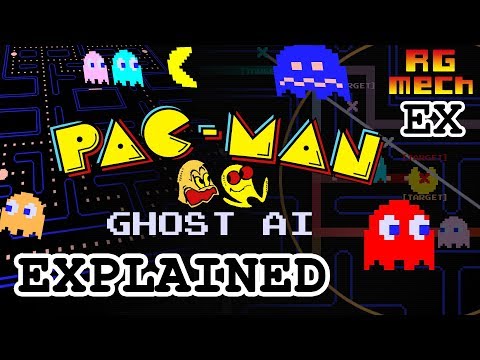
The yellow character in Pac-Man is, quite simply, Pac-Man himself. He is the protagonist of the iconic arcade game, known for his insatiable appetite and his quest to devour all the Pac-Dots within the maze while avoiding the four relentless ghosts.
The Genesis of Pac-Man: A Tale of Pizza and Pixels
The story of Pac-Man’s creation is almost as iconic as the game itself. Toru Iwatani, a Namco game designer, is credited with the character’s conception. Legend has it that Iwatani was inspired by a pizza with a slice missing, creating a simple, round shape with a mouth. This basic form became the foundation for the game’s central figure, initially named “Puck-Man” in Japan. Fearing vandalism of the arcade cabinets (changing the “P” to an “F”), Namco decided to rename the character Pac-Man for its international release. This was a crucial decision that undoubtedly contributed to the game’s global success. Pac-Man’s simplistic design, combined with engaging gameplay, made him instantly recognizable and appealing to a broad audience.
More Than Just a Yellow Circle: Pac-Man’s Enduring Appeal
Pac-Man is more than just a collection of pixels; he represents a pivotal moment in video game history. He transcended the typical space shooter genre that dominated arcades in the late 1970s and early 1980s, offering a more accessible and less violent gaming experience. His appeal extended beyond traditional gaming demographics, attracting female players and casual gamers in unprecedented numbers. This wider appeal, coupled with the game’s addictive gameplay, cemented Pac-Man’s status as a cultural phenomenon. The character’s enduring popularity can be attributed to his simplicity, his relatability (everyone understands the desire for food!), and the universally appealing challenge of outsmarting the ghosts.
Pac-Man’s Influence: A Legacy of Innovation
The impact of Pac-Man on the video game industry is undeniable. He popularized the maze chase game, established character-driven narratives, and proved that video games could appeal to a mass audience. The game’s design, including its vibrant colors, catchy sound effects, and simple controls, set a new standard for arcade games. Furthermore, Pac-Man was one of the first video game characters to achieve mainstream celebrity status, appearing in cartoons, merchandise, and even a hit song. His influence can still be seen in modern games, which continue to draw inspiration from his innovative design and enduring appeal.
Frequently Asked Questions (FAQs) about Pac-Man
1. What does Pac-Man eat?
Pac-Man primarily eats Pac-Dots (also called pellets), which are scattered throughout the maze. He also eats Power Pellets, which temporarily allow him to chase and eat the ghosts, and bonus fruits that appear periodically, awarding extra points.
2. What are the names of the ghosts in Pac-Man?
The four ghosts in Pac-Man are Blinky (red), Pinky (pink), Inky (cyan), and Clyde (orange). Each ghost has a distinct personality and hunting pattern, making the game challenging and unpredictable.
3. What is the point of eating the Power Pellets?
Eating a Power Pellet temporarily turns the ghosts blue and vulnerable, allowing Pac-Man to chase and eat them for points. This also provides a temporary reprieve from the ghosts’ pursuit.
4. Who created Pac-Man?
Pac-Man was created by Toru Iwatani, a game designer at Namco (now Bandai Namco Entertainment).
5. When was Pac-Man released?
Pac-Man was first released in Japan on May 22, 1980, and later in North America in October 1980.
6. What was Pac-Man originally called?
Originally, Pac-Man was called “Puck-Man” in Japan, inspired by the shape of a pizza with a slice removed.
7. How many levels are there in Pac-Man?
Pac-Man technically has 256 levels. However, due to a programming error, the 256th level is unplayable and appears as a glitched screen, often referred to as the “split-screen level.”
8. What is the “kill screen” in Pac-Man?
The “kill screen” refers to the unplayable 256th level where the right side of the screen becomes filled with seemingly random and unplayable tiles due to an integer overflow in the game’s code.
9. What is Pac-Man’s objective in the game?
Pac-Man’s objective is to clear the maze of all the Pac-Dots while avoiding or temporarily chasing and eating the ghosts.
10. What are the bonus fruits in Pac-Man?
The bonus fruits in Pac-Man vary depending on the level and include: cherry, strawberry, orange, pretzel, apple, pear, banana, and key. Each fruit is worth a different number of points.
11. What makes Pac-Man so popular?
Pac-Man’s popularity stems from its simple yet addictive gameplay, appealing character design, and its accessibility to a broad audience. It transcended the traditional gaming demographic and became a cultural phenomenon.
12. Has Pac-Man appeared in other games and media?
Yes, Pac-Man has appeared in numerous sequels, spin-offs, and adaptations, including cartoons, movies, merchandise, and crossover appearances in other video games like the Super Smash Bros. series.
13. Are there different strategies for playing Pac-Man?
Yes, there are various strategies for playing Pac-Man, including memorizing ghost patterns, utilizing the maze’s tunnels for quick escapes, and strategically using the Power Pellets.
14. Is there an end to Pac-Man?
While the game has a technically unbeatable 256th level, the core gameplay is designed to continue until the player loses all their lives. There is no definitive “end” in the sense of completing a story or reaching a final boss.
15. What is the historical significance of Pac-Man?
Pac-Man is a historically significant game because it popularized the maze chase genre, broadened the appeal of video games beyond traditional gamers, and established character-driven narratives in gaming. It remains one of the most iconic and influential video games of all time.