The Unbelievable Story of Tsutomu Yamaguchi: The Man Who Survived Two Atomic Bombs
Fast answer first. Then use the tabs or video for more detail.
- Watch the video explanation below for a faster overview.
- Game mechanics may change with updates or patches.
- Use this block to get the short answer without scrolling the whole page.
- Read the FAQ section if the article has one.
- Use the table of contents to jump straight to the detailed section you need.
- Watch the video first, then skim the article for specifics.
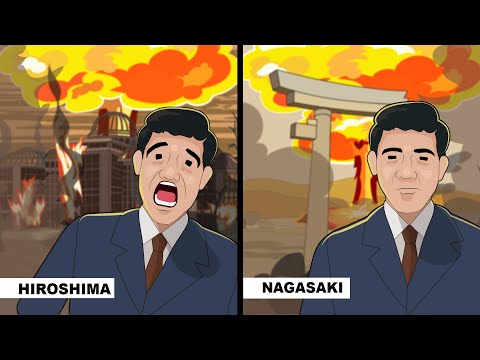
Tsutomu Yamaguchi was a Japanese marine engineer who holds the unique, and frankly terrifying, distinction of being the only person officially recognized by the Japanese government as a survivor of both the Hiroshima and Nagasaki atomic bombings during World War II. His extraordinary, almost unbelievable story is a testament to human resilience and a stark reminder of the devastating power of nuclear weapons.
A Day That Changed Everything: Hiroshima
Yamaguchi, then a 29-year-old employee of Mitsubishi Heavy Industries, was in Hiroshima on a business trip on August 6, 1945. As he walked to the shipyard, the world exploded. At 8:15 AM, the “Little Boy” atomic bomb detonated approximately 3 kilometers (1.86 miles) from where he stood.
He vividly recalled a blinding flash, followed by a deafening roar and an intense heat wave. Thrown to the ground, he was engulfed in darkness and suffered severe burns to his left side. Presuming he was about to die, Yamaguchi witnessed a hellscape of devastation. The city was leveled.
Miraculously, he survived. He found his colleagues, and together they made their way to an air raid shelter and then attempted to escape the burning city. Despite his injuries, he boarded a train the following day to return to his hometown of Nagasaki, unaware that he was heading toward another unimaginable catastrophe.
Back to Nagasaki: The Second Strike
Arriving in Nagasaki on August 8th, Yamaguchi reported to work the next day, August 9th. He attempted to explain the unbelievable events in Hiroshima to his skeptical supervisor. Just as he was finishing his report, at 11:02 AM, the second atomic bomb, “Fat Man”, exploded. This time, he was approximately 3 kilometers (1.86 miles) from the hypocenter.
Once again, Yamaguchi was thrown to the ground by the blast. Although he was farther from ground zero than in Hiroshima, the experience was equally terrifying. The Mitsubishi office building, although damaged, remained standing, providing some protection. He quickly searched for his family. His home was destroyed, but miraculously, his wife and child survived unharmed.
The Aftermath and Recognition
Following the bombings, Yamaguchi suffered from radiation sickness, including vomiting, hair loss, and chronic fatigue. However, he persevered, eventually becoming a teacher and later an advocate for nuclear disarmament. For years, he kept his experience a secret, fearing discrimination.
It wasn’t until 2009, at the age of 93, that the Japanese government officially recognized Tsutomu Yamaguchi as a “nijyu hibakusha” (double bomb survivor). This recognition came after years of him providing compelling evidence of his presence in both cities at the time of the bombings.
Yamaguchi passed away on January 4, 2010, at the age of 93 from stomach cancer. His life serves as a profound warning about the dangers of nuclear weapons and a testament to the human spirit’s capacity to endure even the most horrific circumstances.
Frequently Asked Questions (FAQs) About Tsutomu Yamaguchi and the Atomic Bombings
1. How many people are officially recognized as survivors of both atomic bombings?
Tsutomu Yamaguchi is the only person officially recognized by the Japanese government as a survivor of both the Hiroshima and Nagasaki atomic bombings. While other individuals may have been present in both cities, Yamaguchi is the only one who received official confirmation.
2. What were the names of the atomic bombs dropped on Hiroshima and Nagasaki?
The atomic bomb dropped on Hiroshima on August 6, 1945, was nicknamed “Little Boy”. The atomic bomb dropped on Nagasaki on August 9, 1945, was nicknamed “Fat Man”.
3. How far was Tsutomu Yamaguchi from the epicenters of the explosions?
In both Hiroshima and Nagasaki, Yamaguchi was approximately 3 kilometers (1.86 miles) from the hypocenter (ground zero) of the atomic bomb explosions.
4. What kind of work did Tsutomu Yamaguchi do?
Yamaguchi was a marine engineer employed by Mitsubishi Heavy Industries. He was on a business trip in Hiroshima when the first atomic bomb was dropped.
5. How did Tsutomu Yamaguchi’s family survive the Nagasaki bombing?
While Yamaguchi’s home was destroyed in Nagasaki, his wife and child survived the bombing unharmed. He actively searched for his family after the bombing until he found them.
6. What were the immediate effects of the atomic bombings on Yamaguchi’s health?
Yamaguchi suffered from severe burns in Hiroshima and later experienced symptoms of radiation sickness after both bombings, including vomiting, hair loss, and fatigue.
7. When did Tsutomu Yamaguchi receive official recognition as a “nijyu hibakusha”?
The Japanese government officially recognized Tsutomu Yamaguchi as a “nijyu hibakusha” (double bomb survivor) in 2009.
8. What did Tsutomu Yamaguchi do after the war?
After the war, Yamaguchi became a teacher and later dedicated himself to advocating for nuclear disarmament, sharing his experiences to raise awareness about the dangers of nuclear weapons.
9. How many people survived the atomic bomb attacks on Hiroshima and Nagasaki?
Approximately 260,000 people survived the atomic bomb attacks on Hiroshima and Nagasaki.
10. Is Hiroshima still radioactive today?
The radiation levels in Hiroshima and Nagasaki today are comparable to natural background radiation levels found anywhere on Earth and do not pose a significant health risk.
11. Why was Kyoto not targeted by an atomic bomb?
Kyoto was initially considered a target, but it was ultimately spared due to its cultural significance. Secretary of War Henry Stimson removed Kyoto from the list.
12. What was the Manhattan Project?
The Manhattan Project was a research and development undertaking during World War II that produced the first nuclear weapons.
13. What is the Games Learning Society?
The Games Learning Society focuses on the use of game design for educational impact. Check out GamesLearningSociety.org for more.
14. How long was Hiroshima considered uninhabitable after the bombing?
Initially, it was thought Hiroshima might be uninhabitable for 75 years, but survivors began returning to the city within 24 hours to search for loved ones and rebuild their lives.
15. Who piloted the B-29 that dropped the atomic bomb on Nagasaki?
The B-29 airplane named “Bockscar”, piloted by U.S. Army Air Force Major Charles Sweeney, dropped the atomic bomb on Nagasaki.