Decoding the Epic vs. Apple Lawsuit: A Deep Dive into the Verdict and its Aftermath
Fast answer first. Then use the tabs or video for more detail.
- Watch the video explanation below for a faster overview.
- Game mechanics may change with updates or patches.
- Use this block to get the short answer without scrolling the whole page.
- Read the FAQ section if the article has one.
- Use the table of contents to jump straight to the detailed section you need.
- Watch the video first, then skim the article for specifics.
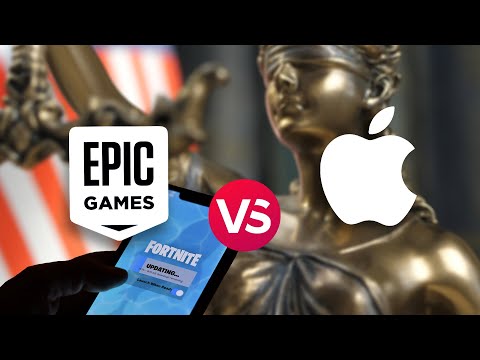
The question of who “won” the Epic vs. Apple lawsuit isn’t as straightforward as a simple victory or defeat. While Apple largely prevailed on the core antitrust claims, the case unearthed complex legal and business implications that continue to resonate throughout the tech industry. The judge ruled that Apple was not a monopolist, but also that Apple violated California’s Unfair Competition Law (UCL). The key takeaway is that neither side achieved a complete triumph, resulting in a nuanced outcome with lasting repercussions. Let’s break down the details.
The Core Ruling: No Monopoly, But Anti-Steering Provisions Unlawful
The heart of the matter was Epic Games’ accusation that Apple held an illegal monopoly in the market for iOS app distribution and in-app purchases. Judge Yvonne Gonzalez Rogers ruled against Epic on this point, finding that Apple’s control over the App Store did not constitute an antitrust violation. This was a major victory for Apple, validating their control over their ecosystem.
However, Judge Rogers also found that Apple’s restrictions on developers “steering” users to alternative payment methods violated California’s Unfair Competition Law. This anti-steering provision prevented developers from informing users within their apps about cheaper ways to make purchases outside of Apple’s in-app purchase system, where Apple takes a 30% commission. The court ordered Apple to allow developers to include information about alternative payment methods.
The Financial Implications: Contract Breach and Appeal
The court determined that Epic Games had breached its contract with Apple by implementing its own payment system in Fortnite, a direct violation of App Store rules. While Epic was initially not required to pay Apple’s attorney fees, the appeal process affirmed the district court’s judgment regarding the contract breach. The broader significance lies in the precedent set regarding Apple’s control over its platform and the limitations placed on developers. This also opened the door for some changes in what Apple could do regarding fees, commissions and informing customers about them.
Ripple Effects Across the Tech Landscape
The Epic vs. Apple lawsuit triggered a wider conversation about the power dynamics between platform owners and app developers. It brought attention to the “App Store tax” (the 30% commission) that Apple and Google charge on in-app purchases, a point of contention for many developers who argue that these fees are excessive and stifle innovation. This case has since emboldened regulatory bodies and other companies to scrutinize and challenge the practices of major tech companies.
Looking Ahead: The Ongoing Debate
While the legal proceedings in the Epic vs. Apple case may have concluded, the underlying issues remain relevant. The debate continues over the balance of power, the fairness of App Store policies, and the impact of platform control on competition and innovation in the app economy. Expect ongoing discussions and potentially further regulatory scrutiny in the years to come. You can find more discussions related to this topic from organizations like the Games Learning Society. You can visit their website at https://www.gameslearningsociety.org/.
FAQs: Unraveling the Epic vs. Apple Saga
Here are 15 frequently asked questions to clarify the complexities of the Epic vs. Apple lawsuit:
Q1: Did Epic Games win any part of the lawsuit against Apple?
Yes, Epic won on one count: the court found that Apple’s anti-steering provisions violated California’s Unfair Competition Law. This meant Apple had to allow developers to inform users about alternative payment options.
Q2: Why did Epic Games sue Apple in the first place?
Epic sued Apple over what they considered Apple’s monopolistic control over the App Store and its in-app purchase system, which required developers to use Apple’s payment system and pay a 30% commission.
Q3: What was Epic Games trying to achieve with the lawsuit?
Epic aimed to break Apple’s control over the iOS app ecosystem, allowing developers to offer alternative payment methods and avoid the 30% commission. They essentially wanted a fairer playing field for developers.
Q4: What does “anti-steering” mean in the context of the lawsuit?
“Anti-steering” refers to Apple’s policy of preventing developers from informing users within their apps about alternative payment options outside of Apple’s in-app purchase system.
Q5: How did the judge rule on Epic’s antitrust claims against Apple?
The judge ruled against Epic on the antitrust claims, finding that Apple’s control over the App Store did not constitute an illegal monopoly.
Q6: Was Fortnite removed from the App Store because of the lawsuit?
Yes, Fortnite was removed from the App Store after Epic Games intentionally violated Apple’s App Store rules by implementing its own payment system.
Q7: Did Epic Games breach its contract with Apple?
Yes, the court found that Epic Games breached its contract with Apple by implementing its own payment system in Fortnite.
Q8: What impact did the lawsuit have on other app developers?
The lawsuit sparked a broader debate about the App Store tax and the power dynamics between platform owners and app developers. It encouraged other developers and regulatory bodies to challenge Apple’s policies.
Q9: Has the lawsuit affected Apple’s App Store policies?
Yes, as a result of the court ruling, Apple was forced to allow developers to inform users about alternative payment methods.
Q10: Is the Epic vs. Apple lawsuit completely over?
While the major legal proceedings have concluded, the underlying issues and debates surrounding App Store policies and platform control continue. There could be further regulatory challenges in the future.
Q11: What are the long-term implications of the Epic vs. Apple lawsuit?
The long-term implications include increased scrutiny of App Store policies, potential changes to the app economy, and ongoing debates about fair competition and innovation in the tech industry.
Q12: Did Apple have other lawsuits in the past?
Yes, besides the Epic lawsuit, Apple was involved in a different lawsuit regarding older iPhones. It was alleged that Apple was adding software that slowed down older iPhones, which resulted in a settlement where Apple agreed to pay between $310 million to $500 million to customers who filed claims.
Q13: What is the “App Store tax” that developers complain about?
The “App Store tax” refers to the 30% commission that Apple charges on in-app purchases made through its App Store. Developers argue that this fee is excessive and reduces their revenue.
Q14: What is Apple’s response to Epic’s claims of monopolistic behavior?
Apple has consistently maintained that its App Store policies are necessary to ensure the security, quality, and user experience of the iOS ecosystem. They argue that the 30% commission is standard practice in the industry.
Q15: How does the Epic vs. Apple case relate to broader issues of technology regulation?
The Epic vs. Apple case is part of a larger trend of increasing scrutiny of the power and practices of major technology companies, particularly in areas like antitrust, data privacy, and market dominance. It highlights the need for updated regulations to address the challenges of the digital economy.
The Epic vs. Apple lawsuit stands as a pivotal moment in the tech world. While Apple retained control of its App Store, the cracks in its armor are now visible, and the fight for a fairer app ecosystem is far from over. This complex case continues to shape the dialogue around platform governance, developer rights, and the future of the digital economy.