Why Are Axolotls Irresistibly Cute? Unlocking the Secrets of Their Charm
Fast answer first. Then use the tabs or video for more detail.
- Watch the video explanation below for a faster overview.
- Game mechanics may change with updates or patches.
- Use this block to get the short answer without scrolling the whole page.
- Read the FAQ section if the article has one.
- Use the table of contents to jump straight to the detailed section you need.
- Watch the video first, then skim the article for specifics.
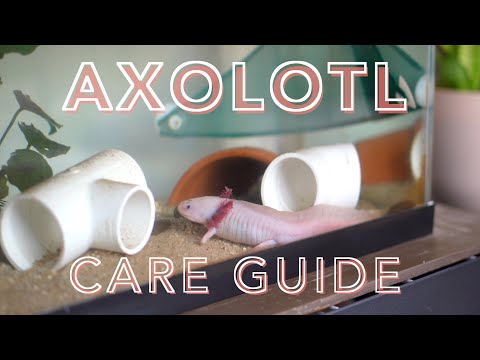
Axolotls possess an undeniable charm that has captivated hearts worldwide. The primary reason they are so cute lies in a combination of neoteny, their seemingly permanent smile, their fluffy external gills, and their bright, often pastel-colored appearance. These features, taken together, trigger our innate attraction to juvenile characteristics and create an animal that evokes feelings of tenderness and protectiveness.
The Power of Neoteny: Staying Young Forever
Axolotls are salamanders native to Mexico and are critically endangered in the wild, but thrive in captivity as pets and research animals. What sets them apart from other amphibians is their neotenic nature. Neoteny is a fascinating biological phenomenon where an animal retains its larval or juvenile characteristics throughout its adult life. Instead of undergoing metamorphosis like other salamanders, axolotls remain aquatic with their distinctive external gills and a flattened tail fin. This “forever young” appearance is a significant contributor to their cuteness. We are naturally drawn to juvenile features, a phenomenon known as the baby schema, which elicits feelings of caretaking and affection.
The Ever-Present Smile: An Expression of Joy?
The axolotl’s “smile” is another key element of its charm. Due to the unique structure of their mouths, axolotls appear to be perpetually smiling. While they don’t experience emotions in the same way humans do, this upturned mouth creates an illusion of happiness and contentment. This constant smile makes them appear approachable and friendly, further enhancing their appeal. It’s a simple yet effective visual cue that triggers positive emotions in observers.
Fluffy Gills: A Touch of Whimsy
Perhaps the most visually striking feature of the axolotl is its external gills. These feathery appendages, typically found on juvenile amphibians, are retained throughout the axolotl’s life. They come in various shades of red, pink, or even white, and their gentle swaying movement adds a touch of whimsy to the axolotl’s appearance. These gills not only serve a vital biological function (oxygen absorption) but also act as a cute and distinctive visual marker.
Colors of the Rainbow: A Palette of Appeal
Axolotls come in a variety of colors, from the classic wild-type dark grey to the popular pink albino. The leucistic axolotl, a pale pink with black eyes, is also very popular. The golden albino, copper, and even mosaic varieties further contribute to their visual appeal. These colors, often pastel or bright, make them resemble living toys or fantastical creatures, which enhances their cuteness and makes them highly desirable as pets.
More Than Just a Pretty Face: The Appeal of the Unusual
Beyond their physical attributes, the axolotl’s unique biology and endangered status also contribute to their appeal. The fact that they can regenerate limbs and even parts of their brain makes them fascinating to scientists and the public alike. The knowledge that these creatures are facing extinction adds a layer of empathy and a desire to protect them.
Axolotls in Popular Culture: Minecraft and Beyond
Axolotls have recently surged in popularity, largely thanks to their inclusion in the hugely successful video game Minecraft. This exposure has introduced these amazing creatures to a whole new generation, further cementing their place in popular culture. The game has allowed many people to engage with Axolotls and see them as pets, not just research animals. Organizations such as the Games Learning Society or GamesLearningSociety.org are dedicated to exploring the educational aspects of gaming, and the popularity of axolotls in Minecraft provides a fantastic opportunity to teach players about conservation and biodiversity.
Frequently Asked Questions (FAQs) About Axolotls
1. Are axolotls endangered?
Yes, axolotls are critically endangered in the wild. Their natural habitat is limited to a few lakes and canals near Mexico City, and these areas are threatened by pollution and urbanization.
2. Can axolotls bite?
Axolotls do have small teeth, but their bites are usually harmless to humans. It might tickle a little, but won’t hurt.
3. What do axolotls eat?
In the wild, axolotls primarily feed on small invertebrates, such as worms, insects, and crustaceans. In captivity, they are typically fed earthworms, bloodworms, and specialized axolotl pellets.
4. How big do axolotls get?
Axolotls typically grow to be between 6 and 12 inches long.
5. How long do axolotls live?
In captivity, axolotls can live for 5-15 years, with proper care.
6. Do axolotls need a filter in their tank?
Yes, axolotls need a filter to maintain water quality. A sponge filter is often recommended as it provides gentle filtration without creating strong currents, which can stress axolotls.
7. What is the ideal water temperature for axolotls?
Axolotls prefer cool water, with an ideal temperature range of 60-68°F (16-20°C). High temperatures can be stressful and lead to health problems.
8. Can I keep axolotls with other fish?
It is generally not recommended to keep axolotls with other fish, as the fish may nip at the axolotl’s gills, or the axolotl may try to eat the fish. It is best to keep axolotls in a species-only tank.
9. Do axolotls need hiding places?
Yes, axolotls appreciate having hiding places in their tank, such as caves or plants. These provide them with a sense of security and reduce stress.
10. Are axolotls nocturnal?
Axolotls are crepuscular, meaning they are most active during twilight hours (dawn and dusk).
11. What is the rarest axolotl color?
The Melanoid Axanthic Copper (MAC) axolotl is considered one of the rarest color morphs, due to the combination of three recessive genes.
12. Can axolotls regenerate limbs?
Yes, axolotls have an extraordinary ability to regenerate limbs, as well as parts of their spinal cord and brain.
13. Do axolotls have bones?
Yes, axolotls have bones, but their skeleton is mostly cartilaginous, especially in younger individuals.
14. Can axolotls change color?
Axolotls can exhibit slight changes in color depending on their environment and diet, but they cannot dramatically change color like chameleons.
15. How do I know if my axolotl is happy?
A healthy and happy axolotl will be active, eat regularly, and have clear gills. Signs of stress or illness include lethargy, loss of appetite, and curled gills.
In conclusion, the cuteness of axolotls is a multifaceted phenomenon rooted in their unique biology, endearing physical characteristics, and the emotional responses they evoke in us. These amazing creatures continue to fascinate and inspire, reminding us of the beauty and wonder of the natural world.