Why Are Burns to the Face Serious?
Fast answer first. Then use the tabs or video for more detail.
- Watch the video explanation below for a faster overview.
- Game mechanics may change with updates or patches.
- Use this block to get the short answer without scrolling the whole page.
- Read the FAQ section if the article has one.
- Use the table of contents to jump straight to the detailed section you need.
- Watch the video first, then skim the article for specifics.
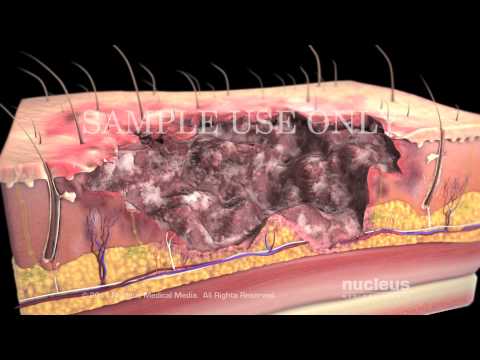
Burns to the face are inherently serious due to a confluence of factors that can lead to significant short-term and long-term complications. The face is a critical area, integral to breathing, eating, sensory perception, and social interaction. Damage to this region can have profound physical, psychological, and social consequences. Unlike burns in less prominent areas, facial burns often necessitate immediate and specialized medical attention. In essence, the severity arises from the potential for respiratory complications, the high risk of permanent disfigurement, and the vital functions the face performs.
Immediate Dangers of Facial Burns
Respiratory Compromise
One of the most immediate threats posed by facial burns is the possibility of respiratory compromise. The close proximity of the face to the airway means that burns can easily affect the nasal passages, mouth, and even the throat. First responders are trained to check the nostrils for singed hairs, a key indicator that heat has entered the airway. In severe cases, there might be soot around the nose and mouth, and the patient may cough up phlegm containing ash, all signs that the respiratory system is under attack.
The swelling associated with burns can quickly obstruct the upper airway, leading to breathing difficulties, and requiring immediate medical intervention to secure an airway. The delicate tissues of the respiratory tract are particularly vulnerable to the damaging effects of heat, potentially causing inflammation, edema, and in severe situations, a life-threatening closure of the airway.
High Risk of Infection
The face is a highly vascularized area, meaning it has a rich network of blood vessels. While this promotes faster healing, it also makes it susceptible to infection. Damaged skin is a compromised barrier to pathogens, creating an entry point for bacteria. Because facial skin is exposed to the environment more often, it is more vulnerable to contamination. Infections in facial burns can spread rapidly, leading to serious complications. Additionally, the presence of hair follicles and sebaceous glands can harbor bacteria, increasing the risk of infection.
The Potential for Shock
Burns, especially severe ones, can trigger shock, a life-threatening condition where the body’s organs don’t receive enough oxygen. This can occur due to the significant fluid loss that occurs when burn damage compromises the skin’s ability to hold fluid. This rapid loss of fluid leads to a sharp drop in blood pressure, potentially leading to organ damage and death. A pale face is one of the visual signs of a person going into shock.
Long-Term Implications of Facial Burns
Disfigurement and Scarring
Even with expert medical care, facial burns can lead to significant disfigurement and scarring. Burns to the face frequently impact deeper structures such as cartilage in the ears and nose, which can result in noticeable and permanent changes in facial appearance. Skin grafts and reconstructive surgeries are often necessary to restore form and function. Though these procedures can help, they can also change the way a person looks, which can be psychologically challenging.
Functional Impairment
Facial burns can cause a range of functional issues beyond mere aesthetics. Burns around the eyes can impair vision. Burn scars on the face and neck can lead to contractures, which limit range of motion. If skin grafts heal over the mouth, there can be difficulties with eating and speaking. Damage to nerve endings during the burn process can cause altered sensation, such as numbness or persistent pain.
Psychological and Social Impact
Beyond the immediate physical dangers, facial burns can have profound psychological and social repercussions. Facial disfigurement can lead to social isolation, anxiety, depression, and a significantly reduced quality of life. Many individuals who survive severe facial burns must undergo a long and difficult rehabilitation process not only to physically recover, but also to cope with the emotional impact of the trauma.
Burn Severity and Facial Burns
Facial burns can be of varying degrees of severity:
First-Degree Burns
These burns affect only the outer layer of skin (epidermis). The burn site is red, painful, dry, and without blisters. Mild sunburn is an example. Scarring is rare or minimal.
Second-Degree Burns
These burns involve the epidermis and part of the dermis. They are marked by blisters, a darker tone, and a shiny, moist appearance.
Third-Degree Burns
These are the most serious burns, damaging all layers of skin and sometimes the tissue beneath. The skin may appear stiff, waxy white, leathery or tan. Third-degree burns may not cause pain because nerve endings have been destroyed. These burns often require skin grafts to heal.
Fourth-Degree Burns
These are the most severe and deepest injuries, affecting all layers of the skin, muscles, tendons, and bones. They have the highest risk of infection, can cause the patient to go into shock and often lead to life-threatening complications.
All of these types of burns to the face are considered dangerous, but the more severe the burn, the more likely that significant complications will arise. The thin skin on the face, and its close proximity to critical structures, also contribute to the increased seriousness of these injuries.
Importance of Immediate Care
Given the complexities of facial burns, early and appropriate treatment is crucial. Immediate steps include:
- Cooling the burn: Applying cool (not cold) running water for about 20 minutes is a critical first step. If the burn is on the face, use a cool, wet cloth until the pain eases. Avoid ice, which can cause further tissue damage.
- Protecting the burn: Cover the burn with a clean, non-adhesive dressing.
- Seeking medical attention: Severe facial burns should always be evaluated by medical professionals as soon as possible.
Frequently Asked Questions (FAQs)
1. Why are facial burns considered more severe than burns on other parts of the body?
Facial burns are more severe due to the potential for respiratory complications, higher risk of disfigurement, and impact on critical functions like breathing, eating, and sensory perception. The face’s thin skin and close proximity to essential structures also contribute to the seriousness.
2. What are the signs of a facial burn that might indicate a respiratory problem?
Signs of respiratory involvement include singed hairs in the nostrils, soot around the nose and mouth, and coughing up phlegm containing ash. Difficulty breathing or wheezing are also key indicators.
3. Why do burn victims sometimes develop shock?
Shock develops because burns can lead to significant fluid loss through the damaged skin, resulting in a sharp drop in blood pressure and insufficient oxygen delivery to the body’s organs.
4. How does infection develop in facial burns?
Infection develops because damaged skin loses its ability to act as a barrier against pathogens, allowing bacteria to enter easily. The face’s exposure to the environment and the presence of hair follicles and sebaceous glands also increase the risk of infection.
5. What is the difference between a first, second, and third-degree burn?
First-degree burns affect only the outer layer of skin. Second-degree burns affect the outer layer and part of the underlying layer, causing blisters. Third-degree burns damage all layers of skin and sometimes deeper tissues, often resulting in stiff, waxy skin.
6. Why might a third-degree burn not be painful?
Third-degree burns can be painless because the nerve endings responsible for detecting pain are destroyed.
7. Why are skin grafts often needed for third-degree burns?
Skin grafts are often necessary for third-degree burns because the damage has destroyed the skin’s ability to regenerate naturally, making the transplantation of healthy skin essential for closure and healing.
8. How long does it take for facial burns to heal?
Healing time depends on the severity of the burn. First-degree burns usually heal in days, while second-degree burns may take a few weeks, and third-degree burns can require many weeks or months and may require surgery.
9. What are some long-term complications of facial burns?
Long-term complications include disfigurement, scarring, contractures (limited movement), altered sensation, chronic pain, and psychological and social challenges.
10. What is the best first-aid treatment for a facial burn?
The best first aid includes cooling the burn with cool (not cold) running water for 20 minutes or applying a cool, wet cloth. Then protect the burn with a clean dressing and seek medical attention if needed.
11. Why should you avoid applying ice to a burn?
Applying ice can cause further tissue damage by constricting blood vessels, hindering healing and can intensify the shock. Cool running water is much more beneficial.
12. Why can facial burns cause difficulty in speaking and eating?
Scar tissue from facial burns can cause contractures around the mouth, limiting its function. Skin grafts can also impact oral movement.
13. Do facial burns always leave permanent scars?
While some first-degree burns leave minimal or no scars, deeper burns will often leave scarring, the severity of which can vary based on the depth of the initial injury.
14. Can burn survivors with facial disfigurement achieve good quality of life?
Yes. With appropriate medical treatment, psychological support, and social rehabilitation, burn survivors with facial disfigurement can lead fulfilling and meaningful lives.
15. Why are children and elderly more susceptible to complications from burns?
Children under age 4 and adults over age 60 have thinner skin, which makes them more prone to deeper burns, increasing the risk of complications and death.
The information provided here is intended for general knowledge and should not replace professional medical advice. If you or someone you know suffers a facial burn, please seek immediate medical attention.