Why Are Loot Boxes Addictive?
Fast answer first. Then use the tabs or video for more detail.
- Watch the video explanation below for a faster overview.
- Game mechanics may change with updates or patches.
- Use this block to get the short answer without scrolling the whole page.
- Read the FAQ section if the article has one.
- Use the table of contents to jump straight to the detailed section you need.
- Watch the video first, then skim the article for specifics.
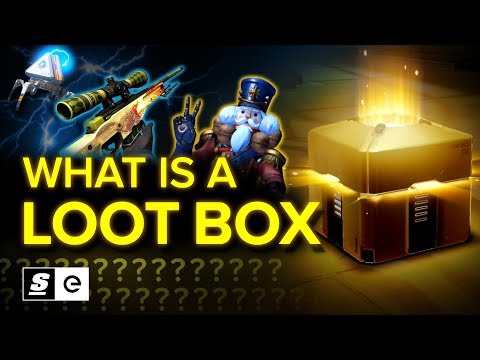
Loot boxes are addictive due to a confluence of psychological, design, and economic factors that mimic the core mechanisms of gambling. They exploit our inherent fascination with random rewards, the uncertainty of outcome, and the potential for high-value prizes, all while operating within the familiar and engaging environment of video games. The very structure of a loot box purchase, with its cost for a chance at a reward, mirrors the fundamental premise of slot machines and other forms of gambling, thereby engaging the same pathways in the brain. This can trigger a dopamine release upon receiving a sought-after item, conditioning players to repeat the behavior in the hope of replicating that positive feeling. These are not innocuous digital items; they are carefully crafted to hook players into a cycle of anticipation, reward, and often, disappointment, which fuels further purchasing. The accessibility and seemingly low cost of individual loot boxes often mask the potential for significant financial expenditure, especially when engaged in repeatedly. This effect is often compounded with the normalization of their use within games, which further entices players to participate. The combination of these factors creates a powerful force that leads many players, particularly vulnerable groups like children and teens, into a cycle of repeated and potentially addictive behavior.
The Psychological Mechanisms of Loot Box Addiction
Variable Rewards & the Dopamine Rush
At the heart of loot box addiction lies the concept of variable rewards. Unlike predictable rewards, loot boxes offer an unpredictable outcome. You may get something incredibly valuable, something mundane, or even something you already own. This unpredictability triggers a dopamine release, a neurochemical associated with pleasure and reward. This process is similar to how slot machines function; the variability of wins and near-misses fuels the desire to continue playing in the hope of a big win. Each purchase becomes a gamble, and the occasional high-value item acts as reinforcement, strengthening the addictive loop.
The “Near-Miss” Effect
The “near-miss” phenomenon also plays a significant role. Even if a player doesn’t get the desired item, they may obtain something close, leading them to believe that the desired prize is within reach. This “near-miss” feeling is common in gambling, and it encourages players to keep trying, despite the fact that each attempt represents a loss. This is a psychological tactic that the game uses against its users to keep them playing and buying more loot boxes.
Illusion of Control
Loot boxes often create an illusion of control. Players may develop rituals or “strategies” based on perceived patterns, even though the outcome is completely random. This illusion keeps them engaged and believing that their actions can influence the contents of the next loot box, which is simply not the case. This makes players spend more in the futile hope of controlling the game and receiving the best rewards.
Loss Aversion
Loss aversion is another key factor. Players don’t want to feel like they’ve wasted the money they have spent on previous loot boxes, so they continue purchasing them in the hope of finally hitting a big win. This feeling, also observed in gambling, makes it difficult for players to stop even when they know that the odds are stacked against them.
The Design of Loot Boxes
Visual Appeal and Presentation
Loot boxes are designed to be visually appealing, with flashy animations and enticing sound effects. The experience of opening a loot box is intended to be exciting and rewarding, even if the contents are not. These visual and auditory cues stimulate the reward system in the brain and add to the addictive potential.
Progression and Exclusivity
Many games tie loot boxes to game progression or make certain items exclusive to loot boxes, creating a sense of necessity. Players may feel that they need loot boxes to stay competitive, access new content, or simply complete their collections, which can further pressure them to make purchases and feed the addictive process.
Social Pressure and Normalization
The normalization of loot boxes within game communities, particularly among young people, also fuels their appeal. When everyone else seems to be opening loot boxes, players are more likely to engage as well, creating a cycle of social pressure that can make it more difficult to resist. This is especially true with the younger generations.
Economic Factors
The “Microtransaction” Trap
Loot boxes typically fall under the category of microtransactions, often using virtual currency to mask the real cost. This makes it harder for players to track their spending and may lead to them spending more than they had intended because they do not directly see the exchange of real money.
The Low-Cost Barrier
The seemingly low individual cost of a loot box can be deceptive, and this low entry point lures in players. They see each individual purchase as relatively insignificant, without realizing how the costs can rapidly add up over time. This is similar to many gambling strategies to slowly accumulate money from the user base.
Exploitation of Vulnerable Groups
The nature of loot boxes makes them particularly harmful to vulnerable groups like children and teenagers who may not fully understand the concept of probability or have the self-control to stop. Their impressionable nature makes them easily susceptible to the manipulative tactics used by game designers.
Frequently Asked Questions (FAQs)
1. Are loot boxes the same as gambling?
While loot boxes are not legally defined as gambling in many jurisdictions, the mechanisms and psychological effects are remarkably similar. Both involve risking something of value (money or virtual currency) for the chance of a reward, with the outcome determined by chance. The variable nature of prizes, the near misses, and the illusion of control create an experience that closely mirrors traditional gambling.
2. Why are loot boxes controversial?
Loot boxes are controversial due to their likeness to gambling, their potential to be addictive, and their exploitation of children and vulnerable adults. The lack of transparency surrounding odds, the high financial cost that can be accumulated, and their predatory nature have led to growing calls for regulation.
3. Do loot boxes lead to gambling addiction?
Emerging research suggests that early exposure to loot boxes can lead to problem gambling later in life. The normalization of risk-taking behavior and the association of excitement with chance-based rewards can pave the way for future gambling problems. This is still an area of ongoing study.
4. What are the negative effects of loot boxes?
The negative effects include financial harm, emotional distress, and the development of addictive behaviors. Children may struggle to understand the value of money, leading to reckless spending, while adults may experience financial ruin as their spending on loot boxes spirals out of control.
5. What is the most addictive form of gambling?
Traditionally, slot machines have been considered the most addictive form of gambling. However, with the rise of online gaming, loot boxes and online gacha games are now viewed as highly addictive alternatives due to the same psychological mechanisms.
6. Why are loot boxes not considered gambling in some places?
Loot boxes are often not categorized as gambling due to legal definitions that require the items won to have real-world monetary value, meaning that if the items inside the loot box cannot be sold or exchanged for real money, the activity is not considered gambling. However, this definition is under much scrutiny in recent times, as the addiction factors are present.
7. Which countries have banned or regulated loot boxes?
The Netherlands and Austria have banned loot boxes. Other countries, like China, have very strict regulations, while a few others are actively exploring regulation possibilities. Several European countries are also considering how to properly regulate the matter.
8. Why did the Netherlands ban loot boxes?
The Netherlands banned loot boxes because they were considered a “disguised form of gambling” that targeted children and had a high potential for addiction. Their laws specifically prohibit the offering of a game of chance without the required permits, which was not the case with loot boxes.
9. What is the history of loot boxes?
The first loot-box system was introduced in the Japanese version of MapleStory in 2004 with an item called the Gachapon ticket. However, Overwatch is often credited with popularizing the mechanic in a modern context, demonstrating their efficacy as a financial system to the broader gaming industry.
10. How are loot boxes different from in-game purchases?
In-game purchases typically involve buying specific items or content for a set price, while loot boxes offer random rewards. This element of chance is what makes loot boxes more akin to gambling and more addictive, as players are paying for the possibility of a prize rather than a guaranteed item.
11. Why do addicted gamblers always lose money?
Addicted gamblers often lose money due to their inability to stop or control their gambling behavior. A win just means more money to devote to their addiction, and they often raise bets after a win in the hopes of more significant gains, while completely ignoring any losses they might incur. This constant chase of a reward cycle keeps them in a loop of losing more and more.
12. Are loot boxes still legal in most countries?
Yes, loot boxes are still largely legal and unregulated in most countries worldwide, though this is a matter of ongoing debate. The lack of cohesive international regulation makes it a challenging issue to address.
13. What is the Battle Pass System and how does it replace loot boxes?
A battle pass is a system used in video games where players unlock cosmetic items, in-game currency, and other rewards by playing the game and progressing through the tiers of the pass, with premium rewards unlocked by purchasing the pass. This removes the element of chance and ensures that players get what they pay for in a more guaranteed fashion, making it less addictive than loot boxes.
14. How do loot boxes affect children differently?
Children are especially vulnerable because they may not understand the value of money or the concept of probability. They may also be less likely to understand that their spending can quickly add up. Furthermore, their impressionable nature makes them more susceptible to addiction and financial harm in the short and long term.
15. Can loot box addiction be treated?
Yes, loot box addiction can be treated similarly to other forms of gambling addiction. Treatments may include therapy, counseling, and support groups, particularly for those who have a hard time stopping on their own. It is always advisable to seek professional help when you feel you have lost control and are spiraling into an addiction.