Why Are Skins Banned in League? A Deep Dive into Competitive Integrity
Fast answer first. Then use the tabs or video for more detail.
- Watch the video explanation below for a faster overview.
- Game mechanics may change with updates or patches.
- Use this block to get the short answer without scrolling the whole page.
- Read the FAQ section if the article has one.
- Use the table of contents to jump straight to the detailed section you need.
- Watch the video first, then skim the article for specifics.
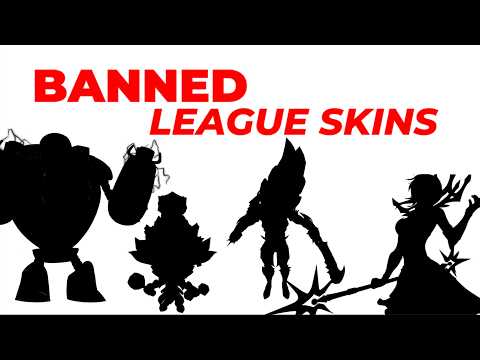
Skins in League of Legends are more than just cosmetic changes; they can sometimes affect gameplay, and this is the core reason why certain skins are banned in professional play. The primary reason for skin bans revolves around maintaining a fair and competitive environment. These bans are implemented to ensure that no player gains an unfair advantage due to a skin’s visuals or animations. This often boils down to issues that impact clarity, making abilities harder to identify and react to, or issues of fairness, such as skins being obtained through methods not accessible to everyone. Ultimately, the goal is to uphold competitive integrity where skill, not visual trickery, dictates the outcome. Let’s delve deeper into the specific reasons.
Visual Clarity and Gameplay Impact
The “Flourish” Problem
Some skins are banned due to how their animations alter a champion’s ability wind-up. In League of Legends, many abilities have a tell-tale animation or “flourish” before the actual effect occurs. This visual cue allows opponents time to react. Certain skins, due to their design, can significantly alter or even obscure this flourish. This can manifest as a quicker animation, making the ability harder to dodge, or by making one ability look similar to another. For example, the Elementalist Lux skin is often cited because the flourish before her Q is difficult to distinguish from another of her spells, providing an unfair advantage. These altered animations can cause confusion, giving the skin user an edge that has nothing to do with their skill.
Unfamiliarity and Visual Noise
Another key reason for skin bans is the unfamiliarity that unique or less common skins can introduce. In a high-stakes environment like pro play, where split-second decisions can determine victory, players need to be able to quickly identify enemy abilities. Skins with significantly different visual and sound effects can throw off a player’s recognition, especially for newer players who may have never seen that specific skin in action. This “visual noise” can create a disadvantage for the opposing team that has nothing to do with their skill. Skins such as the DJ Sona skin, which allows for drastic visual and audio changes, are often banned for this reason. Rare skins like Pax Sivir also fall under this category; their visuals and sound effects would be unfamiliar to newer pro players.
Rarity and Competitive Fairness
Exclusivity Issues
Skins obtainable only through specific events or promotions are another common source of skin bans in pro play. Grey Warwick is a prime example of this. The skin is not purchasable, it is earned and available to a very specific player base. Since not everyone can obtain this skin, it would give an unfair advantage. This is less due to issues of ability clarity and more about a level playing field. The professional environment strives for a meritocracy, and allowing exclusive skins that give even the slightest advantage undermines that principle.
Custom Skins: The Grey Area
Custom Skins and Third-Party Software
The use of custom skins and third-party skin changers raises a complex issue. While Riot Games does not explicitly ban all custom skin use, they actively discourage it. Using third-party software to access purchasable skins without paying is considered stealing from the company and can lead to bans. However, using custom skins that are not existing purchasable skins is more of a gray area. Riot’s stance is that anything that gives an unfair gameplay advantage could result in a ban, but they primarily focus on ensuring fair access to cosmetics for the sake of the game’s economy. Players who utilize skin changers do so at their own risk.
Frequently Asked Questions (FAQs)
1. What Specific Skins are Frequently Banned in Pro Play?
Several skins consistently find themselves on the banned list. Some of the most notable include: Elementalist Lux, iBlitzcrank, Pax Sivir, Dragon Trainer Heimerdinger, Draven Draven, Riot Singed, Project Ashe, and DJ Sona. This list is not exhaustive, and the specific skins banned may vary depending on tournament organizers.
2. Why is Project Ashe Banned?
Project Ashe‘s animations, especially on her abilities, make it difficult to react to in time, creating an unfair advantage.
3. Why Is iBlitzcrank Banned?
iBlitzcrank is banned because its hook animation is significantly harder to see coming than the base skin’s. This provides a competitive advantage, due to an altered visual clarity.
4. Why is Shaco Not Used in Pro Play?
Shaco’s playstyle relies heavily on unpredictable, “cheese” tactics. In organized pro play, where teams coordinate closely and have good vision control, Shaco’s tactics are much easier to counter. His surprise-based play is less effective against highly coordinated teams, reducing his viability in the professional scene.
5. Is Using a Skin Changer Bannable?
While Riot Games doesn’t always ban for custom skins, it is risky. If the custom skin is a replica of a purchasable skin that you did not purchase, it’s very likely to lead to a ban. Riot primarily targets third-party software that provides unfair gameplay advantages or circumvents the game’s economic system.
6. Can Using Killerskins Get You Banned?
Killerskins and other similar programs are a gray area. They may trigger your antivirus because of the nature of the software, but they are generally not considered to be a virus. While some users report no issues, Riot’s official stance on third-party software remains clear: use it at your own risk.
7. Why Are Some Skins “Pay to Win?”
The term “pay to win” skins usually refers to skins that, intentionally or not, make it more difficult to see or react to enemy abilities. This altered visual clarity creates an unfair advantage, hence the “pay to win” label. However, most of these types of skins are banned in pro play.
8. Why Are Smurfs Not Bannable in League?
Smurfing – playing on an account with a lower rank than your skill level – is not a bannable offense in League of Legends. While it is often criticized by the community as a poor play experience for low ranking players, Riot has not officially stated that it is a bannable act.
9. Can You Get a Refund on Skins?
Riot’s refund policy for skins is limited. You can only get a refund on unused, base-level weapon skins purchased within the last 14 days. Upgraded or used weapon skins, and weapon skin levels, are not refundable.
10. Does Riot Allow Fan Merchandise?
Riot has strict rules regarding fan merchandise. Unless you have a written license agreement with them, you cannot use their logos or trademarks on any products or advertisements. They aim to avoid player confusion regarding connections between Riot and third-party projects.
11. Are Riot Skins Rare?
Some Riot skins are extremely rare. For example, the Riot Squad Singed skin is one of the rarest in the game, as it was only given to attendees of a single event in 2010, which makes the codes extremely hard to come by.
12. Why is Ryze Picked in Pro Play?
Ryze’s utility, particularly his point-and-click snare and his team-wide ultimate, makes him highly valued in pro play. His ability to set up ganks, and provide strong escape options, makes him a pick for coordinated teams.
13. Why is Ornn Picked in Pro Play?
Ornn is a popular pro play champion due to his ability to disrupt team fights with his ultimate. Despite being a tank, he can deal high damage. His item-upgrade ability also provides an advantage for his team.
14. Why is Yasuo Not Played in Pro Play?
Yasuo doesn’t fit the current meta as well as some other picks do. While he is a strong champion in the right hands, he can also be easily shut down by coordinated teams. He also doesn’t offer a ton of utility to a team.
15. What’s the Most Banned Video Game?
Many video games have been banned throughout history for various reasons, often due to depictions of violence, sexual content, or cultural misunderstandings. Games like RapeLay, Manhunt 2, and Postal 2 have been banned in different countries for these issues. There is no one game that is most banned.
By adhering to these rules, Riot Games and tournament organizers strive to create the most level playing field possible, where skill and strategy, rather than visual advantages, determine the victors of competitive League of Legends matches.