Why Was Fortnite Banned in China? Unpacking the Complex Reasons Behind the Shut Down
Fast answer first. Then use the tabs or video for more detail.
- Watch the video explanation below for a faster overview.
- Game mechanics may change with updates or patches.
- Use this block to get the short answer without scrolling the whole page.
- Read the FAQ section if the article has one.
- Use the table of contents to jump straight to the detailed section you need.
- Watch the video first, then skim the article for specifics.
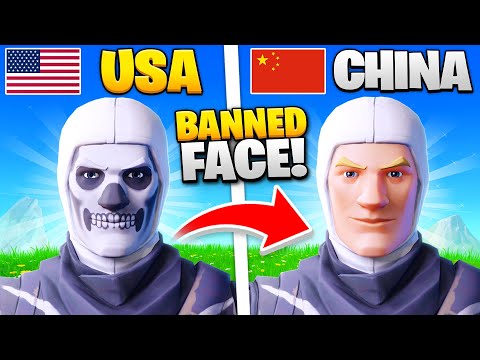
Fortnite, the global gaming phenomenon, never truly took off in China, and its eventual closure there was not due to a single, easily defined reason. Instead, a confluence of factors, primarily centered on regulatory hurdles and government approval, led to its quiet exit from the Chinese market. Unlike some other bans, it wasn’t a direct prohibition on the game’s content. Rather, it was the inability to obtain the necessary licenses and approvals required to officially operate and monetize the game within China’s strict regulatory framework that ultimately led to Epic Games shutting down Fortnite servers in the country on November 15. This lack of approval came despite significant efforts to modify the game to align with Chinese sensibilities.
The Core Issue: Regulatory Approval and Monetization
The key reason Fortnite was effectively “banned” in China is that the game was never officially approved by the Chinese government. This is a critical point. In China, all video games, especially those seeking to monetize their services, must be vetted and approved by the National Press and Publication Administration (NPPA), an agency overseeing gaming content, and its approval process is rigorous and complex. Games often undergo revisions to align with Chinese cultural values and regulations. This includes, but is not limited to, the removal of gore, blood, and other sensitive content.
According to Daniel Ahmad, a senior analyst at Niko Partners, who specializes in the Chinese and Asian video games markets, the lack of approval was the main driver behind Epic Games and Tencent’s decision to end Fortnite’s operations in China. Despite multiple attempts to tone down the more violent and graphic aspects of the game, Fortnite’s path to monetization was blocked without this mandatory approval. This inability to monetize after a three-year “trial” meant running the game became economically unsustainable for Epic Games and Tencent, who invested significantly in adapting the game to the Chinese market. The three-year trial mentioned ended with the closure of Fortnite in China, without generating any revenue, as the official launch was not granted.
Navigating China’s Strict Gaming Regulations
China’s stringent regulations regarding online games are designed to promote specific cultural values and prevent what the government perceives as harmful content. These regulations cover a wide range of areas, including game content, gameplay mechanics, and monetization strategies. Gaming companies operating in China must be prepared to adhere to these rules, which often require significant changes to their products.
For Fortnite, adapting to these rules wasn’t enough. The inability to obtain the necessary approvals, which goes beyond just tweaking game content, meant it could not officially launch and, crucially, could not legally monetize within the Chinese market. China’s crackdown on online video games, which authorities have argued to be a waste of time and a negative influence, further solidified the obstacles for Fortnite.
The Failed “Fortress Night” Experiment
Fortnite was known as “Fortress Night” in China and was operated by Tencent Games, a major investor in Epic Games. Despite its popularity in other parts of the world and the enthusiasm from pre-registered Chinese gamers – around 10 million in total – the game’s beta version never transitioned into a fully launched and monetized version. This three-year trial period ultimately concluded in the game’s servers being shut down due to the continuous failure to gain official approval. This shows that the massive pre-registration numbers did not provide sufficient momentum to overcome the regulatory roadblocks.
Fortnite’s Broader Challenges
It’s important to note that Fortnite’s issues in China were unique and not directly tied to the reasons for its removal from the Apple App Store. The latter was a consequence of Epic Games circumventing Apple’s in-app purchase system to avoid paying the associated fees. While this highlights the ongoing battles that Epic has been fighting regarding platform control and revenue sharing, the Chinese situation is distinctly tied to government approval and content regulation.
Fortnite’s History in China
Fortnite’s presence in China was always a precarious one. Despite the large pre-registration numbers and modifications to the game, it never achieved full operation. The game’s shutdown is, therefore, not a recent ban but rather the end of a long trial period that failed to gain necessary approval. This highlights the immense challenges faced by Western gaming companies when trying to access the highly lucrative Chinese gaming market, which has its own unique set of rules and expectations.
The Future for Fortnite in China
The immediate future of Fortnite in China looks bleak. While Epic Games CEO, Tim Sweeney, has hinted at a return of the game to iOS devices, there is no indication that the game will be returning to China anytime soon. The strict regulatory environment and the history of Fortnite’s inability to gain approval suggest that the path back for the popular battle royale game will be extremely difficult.
Frequently Asked Questions (FAQs) About Fortnite and China
1. Was Fortnite banned in China due to content issues?
No, not directly. While changes were made to the game’s content to align with Chinese preferences, the main issue was the failure to secure government approval, preventing the game from officially launching and monetizing.
2. What is the significance of the Chinese government’s approval process?
The NPPA’s approval is mandatory for any game wishing to operate and monetize in China. This process ensures games align with the government’s cultural values and regulations, and involves content reviews and other requirements.
3. How did Tencent’s investment in Epic Games influence Fortnite’s situation in China?
Despite Tencent being a major investor and operator of “Fortress Night,” it could not circumvent the need for governmental approval. Their relationship provided operational advantages, but did not grant special access to licenses.
4. Why was Fortnite removed from the Apple App Store?
Fortnite was removed from the App Store for violating Apple’s guidelines by introducing its own in-game payment system, bypassing Apple’s 30% fee structure. This is a separate issue from its struggles in China.
5. What is “Fortress Night”?
“Fortress Night” is the Chinese version of Fortnite, operated by Tencent Games.
6. What happened with the 10 million pre-registrations for Fortnite in China?
These pre-registrations highlighted initial enthusiasm but did not lead to an official launch or monetization because of a failure to obtain government approval.
7. Is Fortnite still playable in China using other methods?
No. The servers are completely shut down. No player in China can access the game through official channels.
8. Will Fortnite ever return to China?
There is no current indication or plan for a return. The regulatory obstacles that led to its initial shutdown remain.
9. Does the Chinese government’s stance against video games affect Fortnite’s case?
Yes, the overall increasing scrutiny on video games and their potential effects on young people by Chinese authorities made it even more challenging for Fortnite to get approved.
10. What are “cabined accounts” in Fortnite?
“Cabined accounts” are restricted accounts for players under the age of 13, requiring parental permission for additional features. This is a general account limitation, not specific to China.
11. Is Fortnite banned in any other country?
Yes, Iraq has also banned Fortnite due to concerns about negative impacts on society.
12. Is Epic Games a Chinese company?
No, Epic Games is an American company headquartered in North Carolina. However, Tencent, a Chinese company, owns a 40% stake in Epic.
13. Is Roblox banned in China?
Yes, Roblox is banned in China. Users have to use VPNs to circumvent the ban.
14. Does China ban Xbox?
No, the ban on video game consoles was lifted in 2015, allowing the sale of Xbox and other gaming consoles within China.
15. Who owns Fortnite?
Epic Games owns Fortnite. The major shareholder is Tim Sweeney, co-founder and CEO, with over 50% of the company. Tencent owns a significant minority stake of over 40%.