My Controller Just Died! Why Did My Controller Suddenly Stop Working?
Fast answer first. Then use the tabs or video for more detail.
- Watch the video explanation below for a faster overview.
- Game mechanics may change with updates or patches.
- Use this block to get the short answer without scrolling the whole page.
- Read the FAQ section if the article has one.
- Use the table of contents to jump straight to the detailed section you need.
- Watch the video first, then skim the article for specifics.
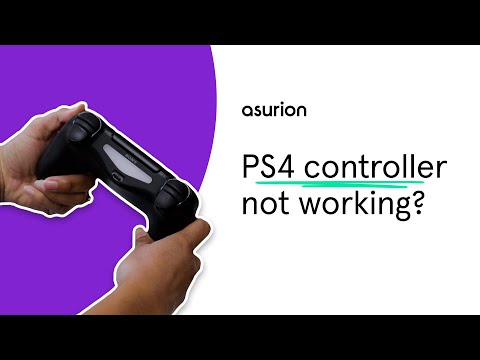
So, you’re mid-game, controller in hand, perfectly positioned for that clutch play, and then… nothing. Your controller goes dead silent, the connection drops, and your on-screen avatar freezes, leaving you vulnerable and frustrated. Why does this happen? The reasons a controller suddenly stops working can range from the incredibly simple to the surprisingly complex. The most common culprits are low or dead batteries, a broken connection (either wired or wireless), outdated firmware, interference from other devices, or even a simple glitch requiring a restart. Let’s dive into each of these potential problems and explore how to get you back in the game.
Common Culprits Behind Controller Failure
A controller ceasing functionality out of the blue is a common issue, and troubleshooting involves systematically eliminating potential causes. Here’s a breakdown of the most likely suspects:
- Battery Problems: This is by far the most frequent offender. Whether you’re using AA batteries or a rechargeable battery pack, a sudden power drain can kill your controller’s connection. Even seemingly “fresh” batteries can sometimes be faulty or not making proper contact.
- Connection Issues (Wireless): Wi-Fi interference, distance from the console or PC, and obstructions can all disrupt the wireless signal. Think of it like a weak Wi-Fi signal on your phone – sometimes it’s there, sometimes it’s not.
- Connection Issues (Wired): A damaged USB cable, a faulty USB port on your console or PC, or an incompatibility issue can prevent a wired connection from working correctly. Make sure the cable is securely plugged into both the controller and the device.
- Outdated Firmware: Like your phone or computer, your controller has firmware that needs to be updated. Outdated firmware can lead to compatibility issues and connectivity problems.
- Interference: Other wireless devices operating on the same frequency (like microwaves, Bluetooth devices, or even some older cordless phones) can interfere with your controller’s signal.
- Too Many Connected Devices: Some consoles have a limit to the number of controllers and other peripherals that can be connected simultaneously. Exceeding this limit can cause connectivity issues.
- Glitches and Bugs: Sometimes, a simple software glitch can cause the controller to freeze or disconnect. A quick power cycle (restarting the controller and/or console) can often resolve these issues.
- Hardware Failure: Although less common, internal hardware damage to the controller itself can cause it to stop working. This could be anything from a broken button contact to a faulty circuit board.
Troubleshooting Steps: Getting Back in the Game
Before you throw your controller against the wall in frustration, try these troubleshooting steps:
- Check the Batteries (or Battery Pack): Replace the batteries with a brand-new set, or fully charge your battery pack. Ensure the batteries are inserted correctly, paying attention to the polarity (+ and -) markings.
- Check the Connection (Wireless): Move closer to your console or PC. Remove any potential sources of interference (other wireless devices). Try re-syncing the controller to the console or PC.
- Check the Connection (Wired): Try a different USB cable. Try a different USB port on your console or PC. Ensure the cable is securely plugged in on both ends.
- Update the Controller Firmware: Most consoles and PC gaming platforms provide a way to update your controller’s firmware. Check your device’s settings menu for updates.
- Restart Everything: Power cycle your controller (remove the batteries or battery pack, wait a few seconds, and then reinsert them). Restart your console or PC.
- Check for Interference: Temporarily turn off other wireless devices in the vicinity to see if they are causing interference.
- Limit Connected Devices: Disconnect any unnecessary peripherals from your console or PC.
- Test on Another Device: If possible, try connecting your controller to another console or PC to see if it works there. This will help you determine if the problem is with the controller itself or with your primary device.
- Reset the Controller: Some controllers have a reset button (often a small hole on the back) that you can press with a paperclip. This will reset the controller to its factory settings.
- Consider Professional Repair or Replacement: If none of the above steps work, your controller may have a hardware problem that requires professional repair or replacement.
When to Call it Quits (and Buy a New Controller)
While most controller problems can be resolved with simple troubleshooting, sometimes the issue is beyond repair. If you’ve tried all the above steps and your controller still isn’t working, it’s likely time to consider a replacement. Signs that your controller is beyond saving include:
- Physical Damage: Obvious signs of physical damage, such as cracks, broken buttons, or a bent USB port, are often indicative of a hardware problem that is difficult or impossible to fix.
- Water Damage: If your controller has been exposed to water or other liquids, the internal components may be corroded or short-circuited.
- Persistent Connectivity Issues: If your controller consistently disconnects or has trouble syncing, despite trying all the troubleshooting steps, there may be an irreparable hardware problem.
- Age: Like any electronic device, controllers have a lifespan. Older controllers are more likely to develop problems due to wear and tear.
Knowing when to throw in the towel and invest in a new controller can save you time and frustration.
Frequently Asked Questions (FAQs)
Here are some frequently asked questions about controller issues:
1. Why does my Xbox controller keep disconnecting?
Several factors can cause an Xbox controller to disconnect, including low batteries, wireless interference, distance from the console, outdated firmware, or a software glitch. Try replacing the batteries, moving closer to the console, updating the firmware, and restarting both the controller and the console.
2. How do I update my controller firmware?
On Xbox, press the Xbox button to open the guide, choose Profile & system > Settings > Devices & connections > Accessories, and then select the controller you want to update. On PlayStation, go to Settings > Devices > Controllers > Software Update. On PC, you may need to download a specific update utility from the controller manufacturer’s website.
3. My PS4 controller is flashing blue – what does that mean?
A flashing blue light on a PS4 controller typically means that it’s trying to pair with the console. If it continues to flash and doesn’t connect, try restarting the console and re-syncing the controller.
4. Why won’t my Xbox controller turn on even with new batteries?
Ensure the batteries are inserted correctly with the correct polarity. Also, try cleaning the battery contacts inside the controller with a cotton swab. If that doesn’t work, there may be a hardware issue.
5. How long do Xbox controller batteries last?
The lifespan of AA batteries in an Xbox controller is roughly 40 hours, while rechargeable battery packs typically last around 30 hours.
6. Can I use my Xbox controller on my PC?
Yes, you can use an Xbox controller on your PC. You can connect it wirelessly via Bluetooth or with a USB cable. You may need to install drivers for the controller to work correctly.
7. My controller is acting erratically – what should I do?
Erratic controller behavior can be caused by low batteries, interference, or a software glitch. Try replacing the batteries, moving closer to the console or PC, and restarting both the controller and the device.
8. How do I reset my controller?
Most controllers have a reset button (often a small hole on the back) that you can press with a paperclip. This will reset the controller to its factory settings.
9. Why is my controller vibrating uncontrollably?
This can sometimes be a sign of a software glitch or a hardware problem. Try restarting the controller and the console or PC. If the problem persists, there may be a hardware issue with the vibration motors.
10. Is it possible to repair a broken controller?
Yes, it is possible to repair a broken controller, especially if the issue is a broken button, a damaged USB port, or a faulty battery pack. However, complex repairs may require specialized tools and knowledge.
11. Can a controller be damaged by static electricity?
Yes, static electricity can damage a controller’s sensitive electronic components. Avoid using your controller in environments with high static electricity.
12. Why does my controller only work when plugged in?
This usually indicates a problem with the batteries or battery pack. Ensure that the batteries are fresh and properly inserted, or that the battery pack is fully charged. If the problem persists even with a fully charged battery pack, there may be an internal issue with the controller’s power circuitry.
13. My controller is drifting – what does that mean?
“Drifting” refers to the analog sticks moving on their own without any input from the player. This is often caused by wear and tear on the analog stick mechanisms and can sometimes be fixed by cleaning the area around the sticks or by replacing the analog stick modules.
14. How do I clean my controller?
Use a soft, slightly damp cloth to wipe down the controller’s surface. Avoid using harsh chemicals or abrasive cleaners, as these can damage the plastic. You can also use a cotton swab to clean around the buttons and analog sticks.
15. Where can I learn more about the technology behind gaming controllers and how they impact learning?
For further information on the technology behind gaming and its impact on learning, visit the GamesLearningSociety.org website. The Games Learning Society explores how games can be used to enhance education and cognitive development.
Hopefully, these tips and FAQs have helped you diagnose and resolve your controller issues. Get back in the game and dominate!