Why Did My Villagers Fail to Breed? A Minecraft Breeder Troubleshooting Guide
Fast answer first. Then use the tabs or video for more detail.
- Watch the video explanation below for a faster overview.
- Game mechanics may change with updates or patches.
- Use this block to get the short answer without scrolling the whole page.
- Read the FAQ section if the article has one.
- Use the table of contents to jump straight to the detailed section you need.
- Watch the video first, then skim the article for specifics.
So, you’ve built your villager breeder, stocked it with potential parents, and… nothing. No tiny, blocky babies toddling around. This is a common problem in Minecraft, but thankfully, usually a solvable one. The core reasons why your villagers aren’t breeding boil down to a few key factors: unwillingness, insufficient beds, lack of space, or a recent breeding cooldown.
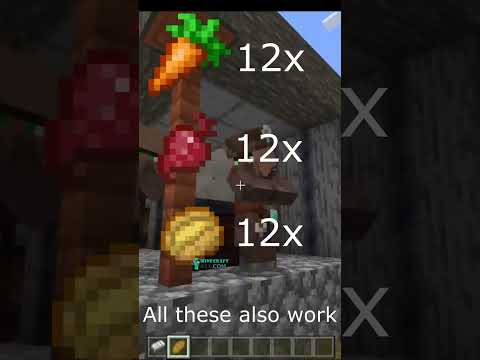
First and foremost, villagers must be “willing” to breed. Willingness is a hidden stat that determines whether villagers will enter breeding mode. Villagers become willing by possessing enough food points. Each villager needs 12 food points to become willing. Loaves of bread are the most efficient way to achieve this, providing 4 food points each. Carrots, potatoes, and beetroots only provide 1 food point each. Throwing food at the villagers or letting a farmer villager distribute excess food will increase their willingness. Look for heart particles above their heads – this is the visual indicator that they are ready to breed!
Secondly, an adequate number of beds is absolutely critical. In Minecraft versions 1.14 and above, beds are the primary requirement for breeding, superseding the old door mechanic. You need one bed for each adult villager, plus at least one extra bed for the baby. If there aren’t enough beds, the villagers simply won’t breed. Ensure the beds are accessible and not obstructed by blocks.
Third, sufficient space is essential. The game needs enough room for the baby villager to exist. This means ensuring there are at least two empty blocks of space above each bed to allow the baby villager to jump. Also, cramped conditions, where villagers constantly bump into each other or walls, can hinder the breeding process. If there is no space for the villagers to move freely, the villagers will not breed.
Finally, remember that villagers have a 5-minute cooldown period after successfully breeding. Even if all other conditions are met, they won’t immediately produce another baby. This is designed to prevent runaway villager populations. So, give them some time!
By systematically addressing these factors – willingness, beds, space, and cooldown – you should be able to get your villager breeder up and running in no time.
Villager Breeding: Frequently Asked Questions (FAQs)
Here are some common questions and answers to further help you optimize your villager breeding setup:
Why aren’t my villagers showing hearts even after I throw food at them?
- Check the Quantity: Ensure you’re throwing enough food. Each villager needs 12 food points worth of food to become willing. A few potatoes aren’t going to cut it.
- Distribute the Food: Make sure each villager has access to the food. Sometimes food can get stuck or only be accessible to one villager.
- Existing Willingness: It’s possible they are already willing but haven’t found a valid bed yet. Ensure there are enough accessible beds.
- Mob Griefing Off: If
mobGriefingis set to false, villagers cannot pick up food that is thrown at them.
I have plenty of beds, but the villagers still won’t breed. What’s wrong?
- Accessibility: Are the beds fully accessible? Check for any obstructions, even seemingly minor ones, that might be preventing the villagers from claiming the bed.
- Bed Claiming Issues: Sometimes villagers have trouble claiming beds if the area is too crowded. Try expanding the breeding chamber.
- Nighttime Lock: If it’s nighttime, villagers will generally stay in their beds. Wait until day to see if they start breeding.
- Village Center: Verify that the breeder is considered part of a village. If the villagers don’t recognize a village, they won’t attempt to breed.
My villagers are breeding, but the babies keep disappearing!
- Suffocation: Baby villagers are vulnerable to suffocation if they spawn in blocks. Double-check for any solid blocks adjacent to the beds.
- Mob Spawning: Hostile mobs can sometimes spawn and kill baby villagers, especially if the area isn’t well-lit.
- Despawning: While rare, baby villagers can despawn if they’re too far from the player or chunk loading issues. Ensure the breeder is within loaded chunks.
- Lack of Space to Move: If the babies have no room to move freely, they will disappear.
Can nitwits breed?
- Yes, nitwits can breed! Despite their lack of a profession, they still function as normal villagers for breeding purposes. You can even make a breeder with only Nitwits.
- Food Required: Remember that they still need to be made willing with food, just like any other villager.
Do villagers need doors to breed in modern Minecraft?
- No, doors are no longer required for breeding in versions 1.14 and above. Beds are now the primary requirement. The old door mechanic is obsolete.
Does looking at villagers stop them from breeding?
- Absolutely not! The idea that villagers won’t breed if you’re watching them is a myth. Feel free to observe your breeder to your heart’s content.
What makes villagers willing to breed?
- Food! Each villager needs 12 food points to activate willingness. Loaves of bread (4 points), carrots, potatoes, and beetroots (1 point) all work.
Can cured zombie villagers breed?
- Yes! Curing a zombie villager turns them back into a normal villager, and they can breed just like any other villager.
Do villagers need workstations to breed?
- No, workstations are not directly required for breeding. However, assigning professions to villagers (other than nitwits) can be beneficial for trading and managing your village economy. But the breeding depends on the number of valid beds.
How many villagers should be in a villager breeder?
- At a minimum, you need two villagers to start breeding. And remember to have at least three beds (two for the adults, one for the baby).
Why do villagers sometimes show angry particles during breeding?
- This usually indicates a problem with bed availability. It means that the villagers are willing to breed, but there aren’t enough unclaimed beds for the resulting baby villager. It can also mean the villager beds were destroyed when they try to breed.
How long does it take for villagers to be able to breed again?
- There is a 5-minute cooldown after two villagers successfully have a child. Even if breeding is unsuccessful due to overcrowding or lack of resources, the villagers will try to breed once again after 5 minutes.
Do farmers help villagers breed?
- Yes, farmers are excellent for villager breeding! They will harvest crops and distribute any excess food to other villagers, helping to increase their willingness to breed. This can create a self-sustaining breeding system.
How do you repopulate a village?
- The best way to repopulate a village is by bringing two or more villagers to the abandoned site. The easiest way is to get them into a boat. Find a way to get the boat on land and push the villager into the boat.
Do villagers gossip about you?
- Yes, villagers can “gossip” about players! They store memories of player actions, which influence their interactions and trading prices. Positive actions can lead to better trades, while negative actions can make them less willing to trade. For example, a cured villager spreads minor positive gossip through the villager gossip system.
Learning the intricacies of villager behavior in Minecraft can be challenging but ultimately rewarding. Exploring these game mechanics can provide a deeper understanding of complex systems. Similar explorations happen within Games Learning Society, where the connection between games and education is researched. Visit GamesLearningSociety.org to learn more.