The Untold Story: Why Sony Abandoned the PSP Dream
Fast answer first. Then use the tabs or video for more detail.
- Watch the video explanation below for a faster overview.
- Game mechanics may change with updates or patches.
- Use this block to get the short answer without scrolling the whole page.
- Read the FAQ section if the article has one.
- Use the table of contents to jump straight to the detailed section you need.
- Watch the video first, then skim the article for specifics.
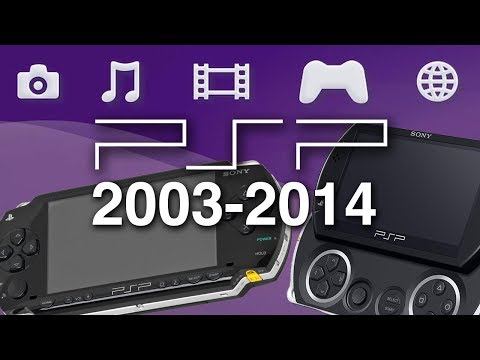
Sony’s PlayStation Portable (PSP) was a revolutionary device, a bold attempt to redefine portable gaming. Yet, despite its initial success, Sony ultimately retreated from the handheld market, leaving many wondering why. The reasons are multifaceted, involving a confluence of factors ranging from shifting market dynamics and internal missteps to the rise of smartphones and the underwhelming performance of its successor, the PS Vita. Simply put, while the PSP carved a significant niche, Sony’s vision for its future couldn’t overcome the rapidly evolving technological landscape. This article will delve into these reasons and answer related questions.
The Rise and Fall: Understanding Sony’s PSP Trajectory
The PSP launched in 2004 and quickly gained traction. It boasted impressive graphics for a handheld, a robust library of games, and multimedia capabilities that allowed users to watch movies and listen to music. It sold over 80 million units, establishing itself as a major player in the portable gaming scene. However, several factors contributed to its eventual decline.
The Smartphone Revolution
The most significant disruptor was the rise of smartphones. As smartphones became more powerful and offered increasingly sophisticated gaming experiences, they began to eat into the handheld market. The convenience of having a gaming device, communication tool, and entertainment hub all in one proved too compelling for many consumers. Dedicated handhelds like the PSP struggled to compete.
The PS Vita’s Stumbles
Sony’s successor to the PSP, the PlayStation Vita, faced numerous challenges. Its high price point, reliance on proprietary memory cards, and a lack of compelling exclusive titles hampered its success. While technically superior to the PSP, the Vita failed to capture the same level of consumer enthusiasm. This further discouraged Sony from investing in the handheld market.
Shifting Market Focus
As the console market remained lucrative and new technologies like virtual reality (VR) emerged, Sony decided to concentrate its resources on these areas. The company shifted its focus towards home consoles like the PlayStation 4 and PlayStation 5 and invested heavily in VR gaming with the PlayStation VR headset.
Software Piracy
The PSP was susceptible to software piracy. Pirated games were easily accessible, undermining software sales and impacting revenue for both Sony and game developers.
Lack of Innovation in Later Years
While the PSP was innovative at launch, its later iterations offered only incremental improvements. The lack of significant innovation made it difficult to attract new consumers or persuade existing PSP owners to upgrade.
Additional Insights: Frequently Asked Questions (FAQs)
1. Why was the PSP discontinued?
The PSP was discontinued due to a combination of factors: the rise of smartphone gaming, the underwhelming performance of the PS Vita, a shift in Sony’s focus towards home consoles and VR, software piracy, and a lack of continuous innovation.
2. Will Sony bring back the PSP?
There’s been much speculation about a new PlayStation handheld. Recent information suggests that Sony is releasing the PlayStation Portal, a remote player for the PS5, but a dedicated handheld in the traditional PSP vein is not on the cards yet. Recent reports suggest Sony is developing a new PSP, but it remains to be seen if this will eventuate.
3. When was the PlayStation Portal released?
The PlayStation Portal was released on November 15, 2023.
4. Do you need a PS5 for the PlayStation Portal?
Yes, the PlayStation Portal requires a PS5. It streams games from your console over Wi-Fi.
5. What was the last PSP game released?
The last PSP game released was Retro City Rampage DX, in July 2016.
6. Which PSP games received high ratings?
Several PSP games received critical acclaim. Some of the best-rated titles include God of War: Ghost of Sparta, Grand Theft Auto: Vice City Stories, and Daxter. Metal Gear Solid: Peace Walker even earned a perfect score from Famitsū.
7. How many PSP units were sold?
The PSP sold over 80 million units worldwide.
8. Why did Sony stop making the PS Vita?
The PS Vita struggled to achieve commercial success due to its high price, proprietary memory cards, and a lack of compelling exclusive games, especially compared to the rise of mobile gaming on smartphones. The Vita was more powerful than the PSP.
9. Will Xbox make a handheld console?
While there are no concrete plans, Microsoft could potentially create a Steam Deck rival powered by Windows, offering access to PC Game Pass and Steam.
10. Is Sony still selling the PSP?
No, hardware shipments of the PSP ended worldwide in 2014.
11. Did Sony lose money on the PSP?
Sony experienced an operating loss related to game sales, citing lower sales of PSP hardware and software as a contributing factor.
12. Are games still being developed for the PSP?
No, PSP development has effectively stopped. Most independent developers are now focusing on the PS Vita or mobile platforms.
13. What is the difference between the PSP and PS Vita?
The PS Vita is the successor to the PSP and features better hardware, dual thumbsticks, a touchscreen, and a rear touchpad.
14. Was the PSP more powerful than the PS2?
The PSP was not quite as powerful as the PS2.
15. Which PSP model is the best?
The PSP-3000 offers the best performance and value, while the PSP-2000 is a good choice for UMD gaming. The PSPgo is best for watching movies and playing downloaded games on the go. The PSP-1000 is the best model if the user is interested in Homebrew and hacking.
The Legacy of the PSP
Despite its eventual discontinuation, the PSP left an indelible mark on the gaming landscape. It proved that portable gaming could offer experiences comparable to home consoles and paved the way for future handheld devices like the Nintendo Switch. While Sony may have abandoned the traditional PSP format, its impact on the industry remains significant. To further understand the effects of gaming on the education system, consider reviewing the resources available at the Games Learning Society – GamesLearningSociety.org.