Why Do Kids Stay Up All Night Playing Video Games? Unraveling the Mystery and Finding Solutions
Fast answer first. Then use the tabs or video for more detail.
- Watch the video explanation below for a faster overview.
- Game mechanics may change with updates or patches.
- Use this block to get the short answer without scrolling the whole page.
- Read the FAQ section if the article has one.
- Use the table of contents to jump straight to the detailed section you need.
- Watch the video first, then skim the article for specifics.
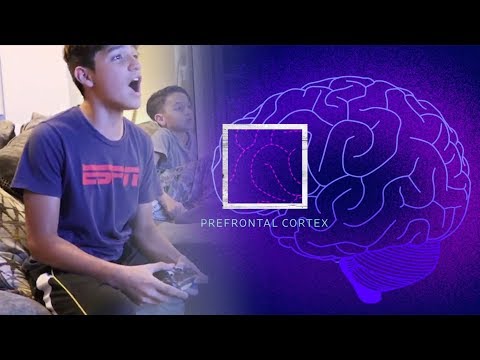
Kids stay up all night playing video games for a complex interplay of reasons, often rooted in emotional needs, neurological responses, and social pressures. They might be escaping stress, seeking the thrill and reward that games provide, or feeling compelled by social connections with online friends. The stimulating nature of the games themselves, coupled with the blue light emitted by screens, disrupts their sleep patterns and melatonin production, making it harder to fall asleep even when they know they should. This combination of internal and external factors creates a powerful pull that keeps kids glued to their screens long after bedtime. Let’s dive into these factors and how parents can address them effectively.
The Allure of the Digital World: Why Midnight Gaming Happens
Several factors contribute to this growing trend, and understanding them is crucial for effective intervention.
Escapism and Emotional Regulation
Video games offer a potent form of escapism. When kids face stress, anxiety, or feelings of inadequacy in their daily lives, the virtual world provides a sense of control, mastery, and achievement. They can become a powerful hero, explore fantastical landscapes, and overcome challenges, all within the safety of their own room. For some, gaming serves as a coping mechanism, a way to suppress negative emotions and temporarily forget their troubles.
The Dopamine Rush: Reward Systems in Gaming
Video games are designed to be addictive. They utilize carefully crafted reward systems that trigger the release of dopamine, a neurotransmitter associated with pleasure and motivation. Leveling up, earning rewards, and achieving milestones create a continuous cycle of positive reinforcement, making it difficult to stop playing. This is particularly true for games with “loot box” mechanics or other forms of randomized rewards. The constant possibility of winning something valuable keeps players engaged and coming back for more.
Social Connection and Peer Pressure
Many video games are multiplayer experiences, allowing kids to connect with friends and other players from around the world. This social interaction can be incredibly appealing, especially for kids who struggle with social anxiety or feel isolated in their real lives. The fear of missing out (FOMO) on important in-game events or social interactions can also drive kids to stay up late playing. They may feel pressured to maintain their online presence and participate in group activities, even if it means sacrificing sleep. A U.K. researcher Peter Etchells pointed out that it’s not always the game itself, but the social pressure to not miss out on experiences with friends that keeps them online.
Neurological Factors: The Impact on Sleep
The mental stimulation from video games can interfere with the body’s natural sleep-wake cycle. Playing video games requires intense focus, quick reflexes, and strategic thinking, all of which activate the brain and make it difficult to wind down for sleep. Furthermore, the blue light emitted by screens suppresses the production of melatonin, a hormone that regulates sleep. This can lead to delayed sleep onset, making it harder to fall asleep even when the child is tired.
Lack of Parental Oversight and Boundaries
In some cases, kids stay up all night playing video games simply because they can. Lack of clear rules, consistent enforcement, and parental monitoring can create an environment where late-night gaming becomes the norm. Parents who are unaware of their child’s gaming habits or who struggle to set boundaries may inadvertently contribute to the problem.
Frequently Asked Questions (FAQs) About Kids and Gaming
Here are some frequently asked questions to further explore the impact of video games on sleep and overall well-being, and strategies for managing gaming habits.
1. How much screen time is too much for kids?
There isn’t a one-size-fits-all answer, but experts generally recommend limiting screen time to 1-2 hours per day for children ages 6 and older. Prioritize educational content and active play over passive screen time. Remember that quality trumps quantity. The content they’re consuming and the context in which they’re consuming it matter as much as the amount of time spent on screens.
2. What are the signs of video game addiction?
Signs of video game addiction include: preoccupation with gaming, withdrawal symptoms (irritability, anxiety) when not gaming, tolerance (needing to play more to achieve the same level of satisfaction), loss of interest in other activities, neglecting responsibilities, and lying about gaming habits. If you notice these signs, seek professional help.
3. Do video games cause ADHD?
The short answer is no. There’s no direct evidence that video games cause ADHD. However, the fast-paced nature and constant rewards of video games can be particularly appealing to children with ADHD, making it difficult for them to focus on other tasks.
4. How can I help my child develop a healthy relationship with video games?
Set clear rules and boundaries, encourage other hobbies and activities, monitor their gaming habits, and have open conversations about the potential risks and benefits of gaming. Lead by example by modeling healthy screen time habits yourself.
5. What are the best strategies for limiting screen time before bed?
Establish a “screen-free zone” at least 90 minutes before bedtime. This means no phones, tablets, computers, or video games. Encourage relaxing activities such as reading, taking a bath, or listening to calming music. Use a physical timer to signal the end of gaming time. Dr. Breus suggests gamers use a physical timer and stop playing 90 minutes before bed.
6. How do I handle a child who refuses to stop playing video games?
Stay calm and consistent. Explain the reasons for the limits in a way that the child understands. Offer alternative activities and positive reinforcement for following the rules. If necessary, seek professional help from a therapist or counselor.
7. What are the benefits of video games?
Video games can improve problem-solving skills, hand-eye coordination, and cognitive function. They can also foster creativity, teamwork, and social connections. The GamesLearningSociety.org website provides excellent research and resources on the positive impacts of games.
8. Are all video games bad for kids?
No. Many video games are educational, engaging, and even beneficial for children. The key is to choose age-appropriate games and monitor their content. Consider games that promote learning, creativity, or physical activity.
9. How do video games affect mental health?
Excessive gaming can contribute to anxiety, depression, and social isolation. However, moderate gaming can also provide stress relief, social connection, and a sense of accomplishment. It’s important to monitor your child’s gaming habits and be aware of any changes in their mood or behavior.
10. What is a gaming disorder?
Gaming disorder is defined as a pattern of gaming behavior characterized by impaired control over gaming, increasing priority given to gaming over other activities, and continuation of gaming despite negative consequences. It’s important to note that not everyone who plays video games has a gaming disorder.
11. How can I encourage my child to participate in other activities besides gaming?
Expose them to a variety of activities, such as sports, music, art, and outdoor adventures. Support their interests and provide opportunities for them to explore new hobbies. Make sure these activities are as engaging and rewardful as the video games.
12. What role does parental involvement play in managing gaming habits?
Parental involvement is crucial. Set clear rules and boundaries, monitor gaming habits, have open conversations, and lead by example. Show an interest in their gaming activities and play with them occasionally.
13. What is the impact of blue light from screens on sleep?
Blue light emitted from screens suppresses the production of melatonin, a hormone that regulates sleep. This can lead to delayed sleep onset and poor sleep quality. Consider using blue light filters on devices or wearing blue light-blocking glasses.
14. How can I create a media plan for my children?
A “media plan” involves setting clear guidelines for screen time, content consumption, and online behavior. Involve your children in the planning process to increase their buy-in. Review and adjust the plan regularly as their needs and interests change.
15. How do I know if my child needs professional help for their gaming habits?
If you’re concerned about your child’s gaming habits, consult with a therapist, counselor, or other mental health professional. They can help you assess the situation and develop a plan for addressing any underlying issues.
Moving Forward: Creating a Balanced Digital Life
Ultimately, helping kids manage their gaming habits requires a multifaceted approach that addresses the underlying emotional needs, neurological factors, and social pressures that drive late-night gaming. By setting clear boundaries, fostering healthy habits, and providing support and understanding, parents can help their children develop a balanced relationship with technology and prioritize their well-being.