Why Don’t People Wear Armor Anymore?
Fast answer first. Then use the tabs or video for more detail.
- Watch the video explanation below for a faster overview.
- Game mechanics may change with updates or patches.
- Use this block to get the short answer without scrolling the whole page.
- Read the FAQ section if the article has one.
- Use the table of contents to jump straight to the detailed section you need.
- Watch the video first, then skim the article for specifics.
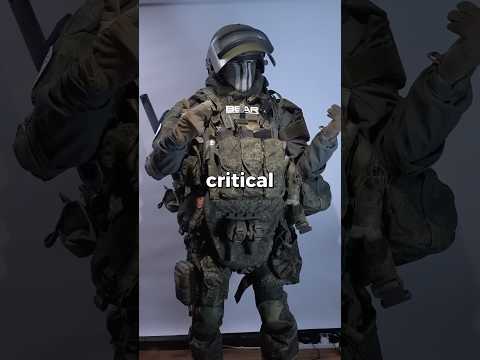
The simple answer to why people don’t routinely wear armor anymore is a combination of technological advancement and practicality. While armor was essential for protection in past eras of warfare and daily life, the development of gunpowder weaponry rendered traditional armor increasingly ineffective and impractical. The core reason lies in the fact that, while it was historically useful against edged weapons and arrows, heavy plate armor couldn’t stand up to the force of bullets. This led to a decline in its use as other, more versatile protective measures were developed. It’s not that we don’t use any protection anymore; the focus has shifted to modern body armor and protective gear tailored to today’s specific threats.
The Historical Shift Away From Armor
The Age of Armor
For centuries, armor was paramount for soldiers and even some civilians. From simple leather and bronze to sophisticated plate armor, its purpose was to deflect blows from swords, axes, and arrows. Knights, in their full plate, were practically walking fortresses. The high cost and heavy weight of this armor were justified by its protective capability. However, the emergence of gunpowder weaponry brought about a significant turning point.
The Impact of Gunpowder
The introduction of muskets and cannons fundamentally changed the landscape of warfare. Full plate armor, while offering decent protection against melee attacks, proved insufficient against bullets. The weight required to make armor resistant to firearms made it incredibly cumbersome, limiting mobility and stamina. Soldiers equipped with such armor were at a disadvantage against troops carrying firearms. This marked the beginning of the end for full plate armor’s widespread use. Soldiers increasingly discarded cumbersome equipment, favoring lightweight agility and speed over heavy defenses.
Modern Warfare & Shifting Priorities
The evolution of warfare in the modern era further minimized the need for traditional armor. The vast majority of battlefield injuries are not the result of direct rifle and machine-gun fire. The focus has shifted to explosive ordnance from artillery and aviation. The primary threat soldiers face is not swords or arrows, but shrapnel, blast waves, and high-velocity projectiles. Thus, modern military forces have adopted the use of combat helmets and body armor focused on protecting critical areas, while maintaining mobility. This has led to the development of lighter, more effective protective gear like ballistic vests designed to mitigate the dangers posed by current weaponry.
Modern Uses of Armor
While medieval-style armor is a thing of the past, protective gear is still an essential component of modern safety and warfare. Today, armor is not just for soldiers; civilians in high-risk occupations often use it as well. Here’s a look at modern uses:
Military Applications
The modern military still uses armor, but in highly refined forms. Combat helmets and body armor, particularly ballistic plates within vests, are commonplace in modern armed forces. This kind of armor isn’t meant to protect against every hit, but rather to minimize damage and protect critical organs. Modern body armor prioritizes mobility and effectiveness, using lightweight, high-performance materials to withstand powerful impacts and blasts. Navy Seals, for example, use different kinds of armor depending on whether they are on a land or sea operation, often prioritizing buoyancy when in the water.
Civilian Use
Body armor is a recognized safety product and is legally available for purchase by law-abiding civilians in all 50 US states. It is commonly used by security personnel, law enforcement, and those working in high-risk environments. However, the availability of body armor for civilians can be controversial, especially as its use by perpetrators in mass shooting events have raised concerns and ignited legal battles.
FAQs: Understanding Modern Armor & Its History
1. Why did humans stop wearing armor?
Humans stopped wearing heavy, full plate armor because gunpowder weapons rendered it ineffective. The weight and limitations it imposed made it impractical for the modern battlefield.
2. Why are American soldiers so big?
American soldiers often work on strength training, maintain a calorie surplus, and are generally physically larger. This size is sometimes seen as a symbol of respect, although this is not always the case.
3. Is body armor illegal in the US?
No, it is legal for law-abiding civilians to purchase body armor in all 50 US states for personal or professional use.
4. Is body armor illegal in some states?
While body armor is generally legal, some states, like California, have restrictions, particularly for those with felony convictions.
5. Do Navy Seals wear body armor?
Yes, Navy SEALs use different armor plates depending on the nature of their operations. They prioritize buoyancy and mobility when operating in water.
6. Why don’t soldiers wear face armor?
Face armor is impractical for several reasons. It can obstruct vision, be heavy, interfere with communication, and not effectively stop high-velocity rifle bullets. Also, it has been noted that masks can look unfriendly to the civilian population.
7. Is Armor All bad to use?
Armor All® Protectant products are safe to use on car dashboards and are formulated to protect against UV damage.
8. Did female armor exist?
Historically, there are very few examples of female armor. It is unlikely that the armor included breast cups because that design could endanger the wearer.
9. Why didn’t Japanese wear armor?
Traditional Japanese armor was still used after the Sengoku period as a symbol of status, but was less necessary for battle due to a long period of peace.
10. Did humans ever not wear clothes?
Humans survived for a long time in Africa without clothing. Clothing enabled humans to move out of Africa and into other parts of the world.
11. Can civilians own Level 5 body armor?
Level 5 body armor is primarily military grade and is not commonly available to civilians. However, body armor laws and regulations may vary by jurisdiction.
12. Why is California banning body armor?
California’s proposed laws to restrict the sale of body armor to those with specific high-risk occupations are intended to prevent criminals and mass shooters from using the gear to harm people. However, recent legislative actions have removed the civilian-wide prohibitions.
13. Can civilians buy Level 4 body armor?
Civilians can typically own and wear Level 4 body armor in public spaces, unless they are convicted felons or are using the armor to commit a crime.
14. What is Level 7 body armor?
Level 7 body armor is designed to withstand multiple shots from high-powered military assault rifles, like the M-16.
15. Why were WW2 soldiers so skinny?
WWII soldiers, especially in the Pacific theater, were often skinny due to malnutrition, tropical diseases, and the hardships of war. The Marines at Guadalcanal were especially known for losing large amounts of weight.