Unveiling the Mystery: Why Bronze Defies the Rust Monster
Fast answer first. Then use the tabs or video for more detail.
- Watch the video explanation below for a faster overview.
- Game mechanics may change with updates or patches.
- Use this block to get the short answer without scrolling the whole page.
- Read the FAQ section if the article has one.
- Use the table of contents to jump straight to the detailed section you need.
- Watch the video first, then skim the article for specifics.
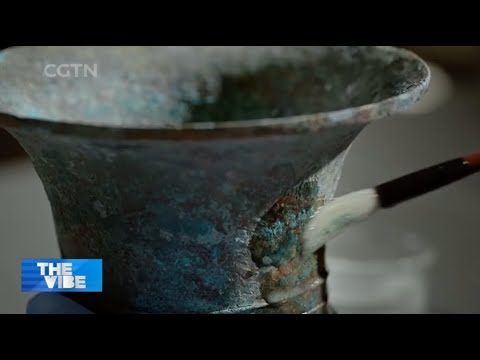
Bronze, a metal steeped in history and artistry, possesses a remarkable quality: it doesn’t succumb to the dreaded rust. But why is this? The answer lies in its composition. Unlike iron, which readily combines with oxygen to form iron oxide (rust), bronze is primarily an alloy of copper and tin. The absence of significant amounts of iron means there’s simply no iron to oxidize and create that flaky, reddish-brown scourge we call rust. However, bronze does interact with its environment, developing a different kind of surface layer, which we will explore in detail.
Decoding Bronze’s Resistance to Rust
To fully understand why bronze resists rusting, we need to delve into the chemical processes at play and compare bronze with iron.
The Chemistry of Rust
Rust is iron oxide, specifically formed when iron is exposed to oxygen and moisture. The iron atoms lose electrons, becoming iron ions, which then combine with oxygen to create the familiar rust. This process is accelerated by the presence of water, electrolytes (like salt), and acids.
Bronze’s Unique Composition
Bronze, being an alloy of primarily copper and tin, lacks the crucial ingredient for rust formation: iron. While some trace amounts of iron might be present in certain bronze alloys, they are negligible and insufficient to trigger significant rusting. Therefore, the chemical reaction that leads to rust simply cannot occur in a substantial way.
The Patina: A Protective Shield
Instead of rusting, bronze develops a patina, a protective layer that forms on the surface through reaction with oxygen, carbon dioxide, sulfates and moisture. This patina is typically green or brown and comprises various copper compounds, such as copper carbonate, copper sulfate, and copper oxide. The patina, far from being a sign of decay, acts as a shield, slowing down any further corrosion of the underlying bronze. It’s a natural aging process that enhances the metal’s durability and often its aesthetic appeal. Think of aged bronze statues or architectural elements; their patinas tell tales of enduring strength and timeless beauty.
Frequently Asked Questions About Bronze and Corrosion
Here are 15 frequently asked questions to further enrich your understanding of bronze, its properties, and its behavior in different environments:
1. Does bronze turn green?
Yes, bronze can turn green over time. This is due to the formation of patina, a protective layer of copper compounds that develop on the surface when bronze is exposed to oxygen, moisture, and other environmental factors. The green color primarily comes from copper carbonates.
2. What metals will not rust?
Several metals exhibit rust resistance. These include:
- Aluminum: Forms a protective oxide layer.
- Copper: Develops a patina instead of rust.
- Brass: An alloy of copper and zinc, also forms a patina.
- Bronze: As discussed, primarily copper and tin.
- Stainless Steel: Contains chromium, which forms a protective layer of chromium oxide.
- Titanium: Forms a strong, passive oxide layer.
- Platinum Doesn’t contain iron and is very stable
3. Is bronze stronger than steel?
Generally, steel is stronger than bronze in terms of tensile strength and hardness. However, bronze has good corrosion resistance and is more resistant to fatigue than some types of steel. Different alloys of both bronze and steel can have varying strengths.
4. Can you clean bronze with vinegar?
Yes, vinegar can be used to clean bronze. The acetic acid in vinegar can help remove tarnish and dirt. However, it’s important to use diluted vinegar and to avoid prolonged exposure, as excessive acidity can damage the patina. Always rinse and dry the bronze thoroughly after cleaning.
5. Will bronze jewelry turn your skin green?
Bronze jewelry can sometimes turn your skin green. This is because copper in the bronze reacts with sweat and oils on your skin to form copper chloride, which is green. The likelihood of this happening depends on the specific alloy and the individual’s body chemistry.
6. What is the best way to clean bronze?
The best way to clean bronze depends on the desired result (removing tarnish vs. preserving patina). For general cleaning, mild soap and water are effective. For removing tarnish, you can use a baking soda paste or commercial bronze cleaners. Always test in an inconspicuous area first.
7. Can bronze be used underwater?
Yes, bronze is often used in underwater applications due to its excellent corrosion resistance in saltwater. It’s commonly used in marine hardware, propellers, and other components that are exposed to seawater.
8. What is the difference between brass and bronze?
Brass is an alloy of copper and zinc, while bronze is an alloy of copper and tin. They have slightly different colors and properties. Brass is generally more malleable, while bronze is harder and more wear-resistant.
9. Is bronze magnetic?
Bronze is generally not magnetic. However, some bronze alloys may contain small amounts of ferromagnetic elements like iron or nickel, which could make them slightly magnetic. But typical bronze alloys used for statues, bearings, and other common applications are non-magnetic.
10. How long does bronze last?
Bronze can last for centuries, even millennia, with proper care and maintenance. Its corrosion resistance and durability make it a long-lasting material, as evidenced by ancient bronze artifacts that still exist today.
11. What are the uses of bronze today?
Bronze is used in a variety of applications today, including:
- Bearings and bushings due to its low friction.
- Marine hardware because of its corrosion resistance.
- Springs and electrical connectors due to its good conductivity and fatigue resistance.
- Musical instruments because of its acoustic properties.
- Statues and sculptures for its aesthetic appeal and durability.
12. Can you weld bronze?
Yes, bronze can be welded. However, it requires specialized techniques and filler metals to achieve strong, corrosion-resistant welds. Common welding processes used for bronze include gas tungsten arc welding (GTAW) and gas metal arc welding (GMAW).
13. Does bronze tarnish?
Yes, bronze tarnishes, but it is more accurately described as the development of a patina. This patina is a layer of corrosion that forms on the surface of the metal, protecting it from further degradation.
14. What destroys bronze?
While bronze is durable, it can be damaged by:
- Harsh chemicals: Strong acids and bases can corrode bronze.
- Prolonged exposure to salt: Salt can accelerate the corrosion process.
- Physical abrasion: Scratches and abrasions can damage the patina and expose the underlying metal.
- Extreme temperatures: While temperature changes by themselves don’t destroy bronze, extreme temperature fluctuations can introduce stresses that, over long periods of time, affect the material.
15. How is bronze made?
Bronze is typically made by melting copper and tin together in the desired proportions. The molten mixture is then cast into the desired shape. Other elements may be added to modify the properties of the bronze, such as aluminum, manganese, or zinc. Learning more about materials and their properties can be as engaging as playing a well-designed game! Check out resources available through the Games Learning Society at https://www.gameslearningsociety.org/ to explore how games can enhance understanding of science and technology. In conclusion, bronze’s resistance to rust is primarily due to its composition, which lacks the iron necessary for rust formation. While it does undergo surface changes in the form of patina, this process is protective and contributes to its long-lasting durability and unique aesthetic. Whether you’re admiring an ancient bronze statue or relying on bronze components in modern technology, understanding its properties and the processes it undergoes can deepen your appreciation for this remarkable metal.