Apple vs. Epic Games: A Clash of Titans Over App Store Control
Fast answer first. Then use the tabs or video for more detail.
- Watch the video explanation below for a faster overview.
- Game mechanics may change with updates or patches.
- Use this block to get the short answer without scrolling the whole page.
- Read the FAQ section if the article has one.
- Use the table of contents to jump straight to the detailed section you need.
- Watch the video first, then skim the article for specifics.
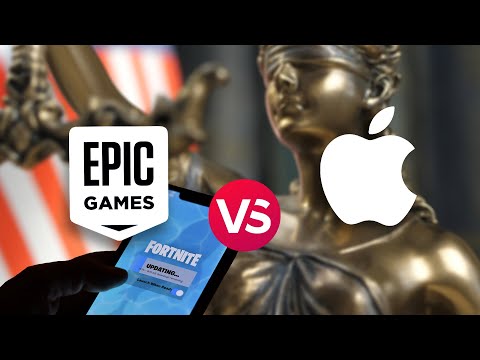
Epic Games sued Apple primarily because they believed Apple was operating an illegal monopoly with its App Store. Epic argued that Apple’s policies, which required all iOS apps to be distributed through the App Store and mandated the use of Apple’s in-app purchase system (IAP) with its 30% commission, were anti-competitive and violated U.S. antitrust laws. This lawsuit was a direct challenge to Apple’s control over the iOS ecosystem and the significant revenue it generates from app developers.
The Core of the Conflict: Monopoly and Commissions
Epic Games launched their legal assault in 2020, after intentionally violating Apple’s App Store guidelines. They implemented a direct payment option within their popular game, Fortnite, allowing players to bypass Apple’s IAP system and receive discounts. This act was a deliberate provocation designed to force a confrontation, and it resulted in Apple removing Fortnite from the App Store.
Epic’s Argument: An Unfair System
Epic’s core argument rested on the idea that Apple’s control over the App Store and its mandatory IAP system created an unfair playing field. Here’s a breakdown:
-
Monopoly on App Distribution: Apple prohibits any third-party app stores on iOS devices. This means developers have no alternative route to reach iOS users except through Apple’s App Store. Epic argued this is a clear case of monopolistic control over app distribution.
-
The 30% “Apple Tax”: Apple charges a 30% commission on all in-app purchases made through its IAP system (with a reduced 15% rate for smaller developers who qualify for the App Store Small Business Program). Epic contended that this commission is excessive and stifles innovation and competition.
-
Anti-Steering Provisions: Apple forbids developers from informing users about alternative payment methods or directing them to external websites for purchases. Epic argued that these “anti-steering” provisions limit consumer choice and further solidify Apple’s control.
Apple’s Defense: Protecting User Experience and Security
Apple defended its App Store policies by emphasizing its commitment to user security, privacy, and a consistent user experience. Their arguments included:
-
Security and Privacy: Apple argued that its stringent app review process and controlled ecosystem are essential for protecting users from malicious software and privacy breaches. Opening up the platform to third-party app stores would compromise this security, they claimed.
-
Investment in the Ecosystem: Apple maintained that the 30% commission is necessary to fund the App Store’s infrastructure, maintain its security, and provide developers with valuable tools and resources.
-
Competition with Android: Apple pointed out that it competes with Google’s Android platform, which offers greater flexibility in app distribution. Consumers have a choice between iOS and Android, thus Apple isn’t a true monopoly.
The Legal Outcome and Its Implications
Ultimately, Apple largely prevailed in the legal battle. While the judge in the initial district court ruling found that Apple was engaging in anti-competitive conduct, they did not find that Apple held a monopoly. The Ninth Circuit Court of Appeals later upheld the district court’s ruling in favor of Apple regarding Epic Games’ antitrust claims. The Supreme Court declined to hear Epic’s appeal, effectively ending the legal challenge.
Key Points from the Court Rulings:
-
No Monopoly Found: The courts did not find that Apple holds a monopoly in the relevant market (which was defined as the market for digital mobile gaming transactions). This was a crucial point in Apple’s favor.
-
Anti-Steering Injunction: While Epic lost on its broader antitrust claims, the court did issue an injunction preventing Apple from enforcing its anti-steering provisions. This means developers are now allowed to communicate with users about alternative payment methods outside of the App Store.
The Broader Impact on the App Ecosystem
The Apple vs. Epic Games case has had a significant impact on the app ecosystem, sparking debates about app store policies and the power of tech giants.
-
Increased Scrutiny of App Store Policies: The case has brought increased scrutiny to the app store policies of both Apple and Google, leading to discussions about fair commissions and developer autonomy.
-
Legislative Efforts: The legal battle has fueled legislative efforts to regulate app stores and promote competition in the tech industry.
-
Continued Debate: The debate over app store control and developer freedom is far from over. It continues to shape the future of the mobile app economy.
The Games Learning Society has always been interested in the implications of technology within society. Find out more about what the Games Learning Society studies at GamesLearningSociety.org.
Frequently Asked Questions (FAQs)
Here are some frequently asked questions related to the Apple vs. Epic Games saga:
1. Why did Epic Games specifically target Apple, and not just Google?
Epic targeted both companies, challenging their respective app store policies. However, the lawsuit against Apple gained more traction due to the closed nature of the iOS ecosystem.
2. Did Epic Games win any part of the lawsuit against Apple?
Epic won a small victory in the initial ruling: an injunction preventing Apple from enforcing its anti-steering provisions. However, they lost on the major antitrust claims.
3. Is Fortnite still banned on Apple devices?
Yes, Fortnite remains unavailable through the App Store. However, it can be played on iOS devices through cloud gaming services like Microsoft’s Xbox Cloud Gaming.
4. What is the current state of the relationship between Apple and Epic Games?
The relationship remains strained. Epic has stated that Fortnite will not return to the App Store until Apple allows fair competition.
5. Will Fortnite ever return to the Apple App Store?
The return of Fortnite to the App Store is uncertain. It depends on whether Apple changes its App Store policies to accommodate Epic’s demands or if Epic decides to comply with Apple’s existing rules.
6. What are the alternatives for playing Fortnite on iOS devices?
The primary alternative is to play Fortnite through cloud gaming services like Xbox Cloud Gaming and GeForce Now.
7. How does the Apple vs. Epic Games case affect other app developers?
The case has raised awareness among developers about app store policies and has led to discussions about fair commissions and greater control over their apps.
8. What are the antitrust implications of Apple’s App Store policies?
Antitrust laws are designed to prevent monopolies and promote competition. The debate centers on whether Apple’s control over the App Store and its mandatory IAP system stifle competition and harm consumers.
9. What is “anti-steering” in the context of app store policies?
“Anti-steering” refers to policies that prevent developers from informing users about alternative payment methods or directing them to external websites for purchases.
10. How does Apple defend its 30% commission on in-app purchases?
Apple argues that the commission is necessary to fund the App Store’s infrastructure, maintain its security, and provide developers with valuable tools and resources.
11. What is Epic Games’ ultimate goal in challenging Apple’s App Store policies?
Epic’s goal is to create a more open and competitive app ecosystem where developers have greater control over their apps and can offer users more choices in how they make purchases.
12. Did the Apple vs. Epic Games case set a precedent for future antitrust lawsuits against tech companies?
The case has brought increased scrutiny to the app store policies of tech giants and may encourage other developers to challenge these policies in the future.
13. How has Microsoft’s Xbox Cloud Gaming circumvented Apple’s App Store ban on Fortnite?
Xbox Cloud Gaming streams the game directly to iOS devices, bypassing the need to download it from the App Store.
14. What role did the Chinese government play in the broader context of the Epic Games lawsuit against Apple?
The situation in China is separate. Epic Games shut down Fortnite in China due to regulatory issues and restrictions on online video games imposed by the Chinese government.
15. What is the App Store Small Business Program, and how does it affect developers?
The App Store Small Business Program offers a reduced commission rate of 15% (instead of the standard 30%) for smaller developers who meet certain eligibility requirements, providing them with more revenue from their app sales and in-app purchases.