Why is Controller Drift So Common Now?
Fast answer first. Then use the tabs or video for more detail.
- Watch the video explanation below for a faster overview.
- Game mechanics may change with updates or patches.
- Use this block to get the short answer without scrolling the whole page.
- Read the FAQ section if the article has one.
- Use the table of contents to jump straight to the detailed section you need.
- Watch the video first, then skim the article for specifics.
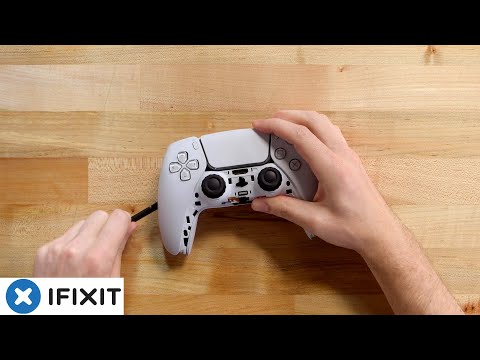
Controller drift, the bane of many a gamer’s existence, has become increasingly prevalent in recent years. The simple answer to why it’s so common now boils down to a combination of factors: shortened technology lifecycles, increased use of lower-quality components, inherent design limitations of analog sticks, and the unavoidable buildup of debris and wear and tear from intense gaming sessions. Manufacturers are incentivized to produce cheaper controllers with shorter lifespans to encourage more frequent purchases, leading to a surge in drift-related frustrations.
The Anatomy of Drift: Understanding the Root Causes
To truly understand why drift is so rampant, we need to delve into the specifics:
-
Natural Decay and Component Quality: Analog sticks rely on potentiometers to translate physical movement into digital signals. These potentiometers contain internal components that degrade over time, especially with frequent and intense use. Cheaper potentiometers, increasingly common in budget-friendly controllers, are more susceptible to this degradation.
-
Dust and Debris Buildup: Controllers are magnets for dust, grime, dead skin, and even food particles. This debris can work its way inside the controller, particularly around the analog sticks. The accumulated grime interferes with the potentiometer’s ability to accurately track stick movement, resulting in phantom inputs or “drift.”
-
Wear and Tear: Over time, the physical components of the analog stick wear down. Constant pressure, aggressive movements, and accidental drops all contribute to this. This wear can damage the potentiometers or loosen the stick’s connection to the internal mechanisms, causing drift.
-
Design Flaws: The fundamental design of analog sticks inherently limits their lifespan. The constant friction between moving parts, the reliance on delicate potentiometers, and the vulnerability to external contaminants all contribute to the issue. While advancements have been made, a truly drift-proof analog stick has remained elusive for most manufacturers.
-
Software Glitches: In some instances, drift might not be a hardware issue at all. Software bugs or outdated firmware can cause incorrect readings from the analog sticks, leading to the perception of drift.
The Business Side: Planned Obsolescence and Market Forces
Beyond the technical reasons, economic factors also contribute to the pervasiveness of controller drift.
-
Shortened Technology Lifecycles: Companies often operate with shortened product lifecycles in mind. By designing controllers to have a limited lifespan, they incentivize consumers to purchase replacements more frequently. This approach, while profitable for manufacturers, contributes to the widespread frustration of drift.
-
Cost Optimization: In a competitive market, companies constantly seek to reduce production costs. Using cheaper components, even if it compromises durability, can significantly increase profit margins. This cost optimization can lead to controllers that are more prone to drift and other issues.
-
Market Demand: The demand for affordable controllers creates a market for lower-quality products. Consumers looking for the cheapest option might sacrifice durability and reliability, unknowingly contributing to the cycle of drift.
Breaking the Cycle: Potential Solutions and Preventative Measures
While drift might seem inevitable, there are steps you can take to mitigate the issue:
-
Regular Cleaning: Regularly clean your controllers using compressed air and isopropyl alcohol to remove dust and debris. Pay particular attention to the area around the analog sticks.
-
Careful Handling: Avoid dropping your controller or applying excessive force to the analog sticks.
-
Software Updates: Keep your controller’s firmware up-to-date to address potential software glitches that might contribute to drift.
-
Controller Calibration: Most consoles offer calibration tools that can help fine-tune the analog stick inputs. Use these tools to minimize the impact of minor drift issues.
-
Consider Alternative Controllers: Some manufacturers are experimenting with Hall effect sensors instead of traditional potentiometers. These sensors are less susceptible to wear and tear, offering a potentially more durable solution. The GuliKit No Stick Drift KingKong 2 Pro Wireless Controller and the GameSir G7 SE are good examples.
FAQs: Your Questions About Controller Drift Answered
Here are some frequently asked questions to provide further insights into the world of controller drift:
What is controller drift?
Controller drift is when your controller’s analog stick registers movement even when you are not touching it. This can cause your character to move on its own in a game or your camera to drift without input.
Why do my controllers drift so easily?
As mentioned earlier, the issues are dust or debris inside your controller, damage to your controller, or excessive wear and tear.
Why do Switch Joy-Cons drift so easily?
The drift in your Joy-Con could be due to the natural buildup of dirt and grime inside the thumb sticks.
Why do PS4 controllers get stick drift so easily?
PS4 controller drift can be due to the analog stick being dirty or the analog stick or the potentiometer being damaged.
Is Xbox controller drift common?
Unfortunately, Xbox Wireless Controllers are subject to the most common issue with any gaming controller: stick drift.
What controller will never drift?
The GuliKit No Stick Drift KingKong 2 Pro Wireless Controller is a notable example that uses Hall effect sensing joysticks.
Why do Xbox controllers drift so easily?
The primary cause of Xbox controller drift issues is dust, debris, and grime. Also, wear and tear can be a factor.
Is it possible to fix stick drift?
Yes, you can sometimes solve stick drift by resetting and cleaning your controller.
Will resetting PS4 controller fix stick drift?
Fortunately, it’s often possible to fix stick drift by resetting and cleaning the controller, or by maneuvering the thumbsticks.
Why do PS5 controllers drift so easily?
The most common PS5 controller drifting issues are caused by physical damage, simple wear and tear due to regular use, debris build up, and out-of-date software.
Why is Joy-Con drift so bad?
As your Switch ages, dust and dirt make their way under the rubber diaphragm protecting the electrical contacts beneath the joystick on your Joy-Con, and the problem is made worse as the contacts are worn down over time.
Do new Joy-Cons have drift?
It’s been a problem ever since the Switch came out and still hasn’t been fully fixed.
Is controller drift inevitable?
Controller drift will happen eventually, especially if you’ve had a controller for a while.
How do I clean my controller to stop stick drift?
Clean the controller with a dry cloth and remove all traces of grime. Next, dip cotton swabs in isopropyl alcohol and rub them on the analog sticks. Keep the controller aside to let it dry, and then rinse and repeat.
Are there any Xbox controllers that don’t drift?
The GameSir G7 SE is a great option that uses Hall effect analog sticks.
Controller drift is a complex issue with both technical and economic roots. Understanding the causes, preventative measures, and available solutions can help you minimize frustration and extend the lifespan of your gaming peripherals. To delve deeper into the science of gaming and how it affects learning and behavior, consider exploring the resources available at the GamesLearningSociety.org.