Why is Graves the Bad Guy in MW2? Unmasking the Betrayal of Commander Phillip Graves
Fast answer first. Then use the tabs or video for more detail.
- Watch the video explanation below for a faster overview.
- Game mechanics may change with updates or patches.
- Use this block to get the short answer without scrolling the whole page.
- Read the FAQ section if the article has one.
- Use the table of contents to jump straight to the detailed section you need.
- Watch the video first, then skim the article for specifics.
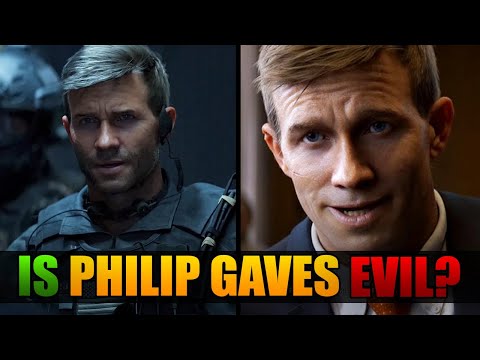
Commander Phillip Graves, callsign Shadow 0-1, is a complex and compelling character in Call of Duty: Modern Warfare II (2022). He begins as an ally to the player-controlled Task Force 141, but ultimately reveals himself as a significant antagonist. The core reason for Graves’ villainous turn is his betrayal of Task Force 141 driven by his participation in a cover-up orchestrated by General Shepherd. He transitions from a seemingly reliable partner to a ruthless enemy when the team uncovers the truth about lost American ballistic missiles, prompting Graves to act on Shepherd’s orders and betray them. This betrayal cements Graves’ role as a key villain in the narrative. It’s not just a personal shift in allegiance; it’s a calculated act to protect a larger, sinister conspiracy, thus making him a pivotal antagonistic figure in the game.
Graves’ Initial Alliance with Task Force 141
Initially, Graves and his Shadow Company appear as valuable allies to Task Force 141. They work alongside the team, participating in various missions and seemingly sharing the same objectives. This working relationship allows for a sense of camaraderie and trust to develop, making the subsequent betrayal all the more impactful. The initial bond is crucial because it underscores the depth of the betrayal, highlighting that Graves’ actions weren’t just those of an enemy but of someone who broke a hard-earned trust. It is this false sense of alliance that makes the unraveling of Graves’ true nature so potent.
The Cover-Up and the Turning Point
The shift in Graves’ behavior occurs as Task Force 141 gets closer to uncovering the truth regarding the missing American ballistic missiles. This investigation reveals that Graves and General Shepherd are not only aware of the lost weapons but are actively covering up their disappearance. The truth poses a significant threat to Shepherd’s agenda, and he orders Graves to take any necessary action to ensure the situation is contained. This command marks the clear point at which Graves pivots from ally to adversary. The cover-up is not just about the lost missiles, but also about preserving the reputations and plans of Graves and Shepherd, and Graves’ loyalty lies unequivocally with the general.
Graves’ Betrayal and Actions Against 141
The betrayal is swift and brutal. After an operation where the truth is nearly exposed, Graves reveals his true allegiance. He orders his Shadow Company to attack Task Force 141 and their allies, the Los Vaqueros. This act solidifies his role as a villain. He seizes the Fuerzas Especiales HQ in Las Almas, imprisoning and betraying Mexican Special Forces soldiers, notably including Alejandro. He then actively attempts to eliminate both Soap and Ghost, leaving no room for doubt about his antagonistic role in the game’s narrative. This calculated betrayal emphasizes his ruthlessness and his dedication to Shepherd’s cause over any sense of loyalty or camaraderie he might have feigned.
Graves as a Secondary Antagonist
Although General Shepherd is the main antagonist of Modern Warfare 2, Graves serves as a significant secondary antagonist. He is not merely a henchman but an influential and complex figure in his own right. His actions directly challenge the player and their allies, making him an active and formidable enemy. His participation in Shepherd’s conspiracy demonstrates his capacity for deceit and violence, making him more than a simple lackey. As such, he remains a crucial antagonist who directly impacts the narrative and the challenges faced by Task Force 141.
Graves’ Survival and Continued Antagonism
A key element to understanding Graves’ role is his survival. While players believe they eliminate him in a tank battle, it is later revealed he was never inside. This survival allows him to return in Call of Duty: Modern Warfare III (2023), indicating that he remains a threat beyond the events of MW2. His continued presence solidifies his role not as a one-off villain, but as a recurring figure within the larger Modern Warfare narrative. His actions in MW3, which include an alliance with Farah to combat Konni, add further complexity to his character.
The Motivations Behind Graves’ Actions
While Graves is ultimately following Shepherd’s orders, his own ambition and self-preservation likely play a role in his actions. He is not simply a pawn; he is a calculated individual who sees an opportunity in Shepherd’s plan. His willingness to betray Task Force 141 highlights his opportunistic nature and his focus on his own advancement and survival. This complex motivation makes him a far more compelling villain than if he were simply a mindless follower. He’s a character driven by a mix of loyalty to his superior and personal gain.
The Impact of Graves’ Betrayal on the Narrative
Graves’ betrayal creates a significant turning point in the storyline, fundamentally altering the dynamic of the game. It shatters the illusion of safety and trust that had been built with Task Force 141, forcing them to fight against a powerful and familiar enemy. This betrayal contributes to a deeper sense of stakes and urgency, raising the tension and drama of the narrative, and making Graves a central figure in the darker turns the story takes.
Conclusion: Graves as a Key Antagonist
In summary, Commander Phillip Graves is the bad guy in MW2 because he betrays Task Force 141 after aligning himself with General Shepherd’s cover-up of lost American nuclear missiles. His betrayal is not a sudden shift but a calculated move to protect the conspiracy, making him a key secondary antagonist who challenges the protagonists directly. His actions, motivations, and subsequent survival make him a compelling villain who adds depth and complexity to the Modern Warfare universe.
Frequently Asked Questions (FAQs)
1. Was Graves originally intended to be a bad guy?
Yes, while he initially appears as an ally, his true role as an antagonist is pre-planned. The narrative arc is structured to build trust before revealing his betrayal.
2. How did Task Force 141 discover Graves’ true intentions?
Task Force 141 begins to uncover the truth during their investigations regarding the lost ballistic missiles and the shady activity surrounding them. These findings directly led to the revelation of Graves’ involvement in the cover-up.
3. Was Graves in the tank that the players destroy?
No, it is later revealed that Graves was not in the tank that players destroy, explaining his survival. This reveal helps set him up for future appearances.
4. How does General Shepherd factor into Graves’ betrayal?
General Shepherd is the one who orders Graves to betray Task Force 141 to protect the cover-up of the missing nuclear missiles. Graves is ultimately acting on Shepherd’s orders.
5. What is Shadow Company’s role in Graves’ betrayal?
Shadow Company is Graves’ private military organization, and they are the force he uses to betray Task Force 141. They enact the orders, directly attacking and betraying the group.
6. Does Graves betray anyone other than Task Force 141?
Yes, Graves also betrays the Los Vaqueros, taking over the Fuerzas Especiales HQ and imprisoning its members. He betrays any ally that would reveal his actions.
7. What happens to Graves after he betrays Task Force 141?
After his betrayal, Graves escapes capture and goes into hiding, paving the way for his return in later installments, specifically in Modern Warfare III.
8. Why does Graves work with Farah in MW3?
In Modern Warfare III, Graves forms an alliance with Farah to combat the Konni group. This alliance is a means to a specific end, driven by a common enemy.
9. Is Graves considered a morally grey character?
While he demonstrates ruthlessness and treachery, his motivations are complex, making him more than just a pure villain. He has moments of pragmatism that blur the lines.
10. Why did Graves try to kill Soap and Ghost?
Graves attempted to kill Soap and Ghost to eliminate them as threats to the cover-up of the lost nuclear weapons, and to ensure the complete concealment of the conspiracy.
11. Who is the main antagonist of the 2022 Modern Warfare II?
General Hershel Von Shepherd III is the main antagonist of the 2022 Modern Warfare II, with Graves serving as a significant secondary antagonist.
12. Is Graves a villain in MW3?
While Graves aligns with Farah, his history of betrayal and his underlying self-serving nature mean he cannot be seen as a hero. He operates in a more nuanced capacity in MW3.
13. How does the cover-up involving the ballistic missiles impact the story?
The cover-up of the lost American ballistic missiles is a central plot point that drives Graves’ betrayal, and forms the basis of the conflict within the story.
14. Is Graves’ betrayal the only major betrayal in the game?
No, the betrayal of Task Force 141 by General Shepherd is a significant and impactful event in the game. This reinforces the themes of distrust.
15. How is Graves alive when players thought they killed him in the tank?
The game reveals that Graves was never inside the tank that players destroyed, thus explaining his survival and setting up his future return in the narrative.