Why is “No Russian” So Famous? A Deep Dive into the Controversy and Impact
Fast answer first. Then use the tabs or video for more detail.
- Watch the video explanation below for a faster overview.
- Game mechanics may change with updates or patches.
- Use this block to get the short answer without scrolling the whole page.
- Read the FAQ section if the article has one.
- Use the table of contents to jump straight to the detailed section you need.
- Watch the video first, then skim the article for specifics.
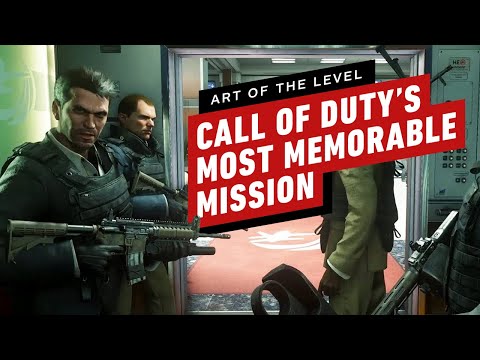
“No Russian” from Call of Duty: Modern Warfare 2 (2009) achieved infamy (and fame) for its unflinching depiction of a mass shooting in a civilian airport. This mission propelled the game, and the entire Call of Duty franchise, into mainstream consciousness, sparking heated debates about violence in video games, their potential impact on players, and the blurring lines between entertainment and real-world atrocities. The level’s notoriety stems from its forced participation: while players could skip the mission, they were placed within the shoes of an undercover agent infiltrating a terrorist group and tasked with participating in the slaughter, even if they chose not to fire a single shot. This direct implication, coupled with the graphic visuals, resulted in widespread controversy and media attention, solidifying “No Russian” as a key talking point in the ongoing discussion around the ethical responsibilities of game developers and the potential consequences of simulating violence. It became a cultural touchstone, cited both as an example of gaming pushing creative boundaries and as a cautionary tale about the dangers of desensitization.
The Anatomy of Controversy
The core of the “No Russian” controversy lies in its realism and its deliberate attempt to shock. Video games had featured violence before, of course, but rarely had they presented it in such a stark and unflinching manner, specifically targeting innocent civilians. The fact that the player was essentially forced to be a passive participant, even if they refrained from firing their weapon, only amplified the discomfort and criticism. This forced participation forced the player to confront the consequences of the violent action.
Several factors contributed to the level’s lasting impact:
- Graphic Content: The visuals were disturbing, showing civilians being gunned down in graphic detail.
- Forced Participation (or Perceived Forced Participation): The player was embedded within the terrorist group and, whether actively shooting or not, was part of the scene.
- Relevance to Real-World Concerns: The mission tapped into anxieties about terrorism and mass shootings, making the violence feel uncomfortably relevant.
- Media Coverage: The controversy generated significant media coverage, amplifying the level’s infamy and bringing it to the attention of a wider audience.
The resulting outrage led to censorship in some countries, including the removal of the mission entirely in Russia. This censorship further fueled the discussion and solidified “No Russian” as a symbol of the ongoing debate about freedom of expression and the responsible depiction of violence in interactive entertainment.
A Narrative Purpose (or a Cheap Gimmick?)
Defenders of “No Russian” argue that the mission served a crucial narrative purpose. The goal, they contend, was to establish Makarov as a ruthless villain willing to commit atrocities on a massive scale. By forcing the player to witness or even participate in the massacre, the game aimed to convey the horror and brutality of his actions, thereby motivating the player’s subsequent quest for revenge.
Moreover, the mission served a crucial role in the game’s complex storyline, as it triggered a war between the United States and Russia. Without the shock value of the airport massacre, the entire plotline would have been significantly less impactful and believable.
However, critics argue that the narrative justification rings hollow. They contend that the level was included primarily for its shock value and that the narrative could have been advanced in a less graphic and controversial manner. They also point to the fact that players could simply skip the mission, suggesting that it wasn’t truly essential to the overall plot.
Furthermore, the mission has been argued as glamorizing terrorist activities rather than condemning it. By embedding players into the terrorist group, the game runs the risk of inadvertently normalizing terrorist behavior, especially for younger or more impressionable gamers.
The Enduring Legacy
Regardless of one’s stance on the ethics of “No Russian,” its impact on the video game industry and popular culture is undeniable. The mission raised important questions about the limits of artistic expression, the responsibilities of game developers, and the potential effects of simulated violence on players.
It also demonstrated the power of video games to evoke strong emotional responses and to spark meaningful conversations about complex social issues. “No Russian” served as a catalyst for a broader discussion about the role of violence in entertainment and its potential impact on society.
Furthermore, “No Russian” has cemented its place in gaming history. The mission continues to be discussed, analyzed, and debated, serving as a reminder of the potential for video games to both entertain and provoke.
For insights into learning through gaming and game design, be sure to visit the Games Learning Society at https://www.gameslearningsociety.org/. This organization explores the educational potential of games and the positive impact they can have on learning and development.
Frequently Asked Questions (FAQs)
Here are 15 frequently asked questions regarding “No Russian” that provide additional valuable information:
What was the point of “No Russian” in Modern Warfare 2?
Makarov’s goal in “No Russian” was to frame the United States for the terrorist attack, thereby instigating a war between Russia and the U.S. By ensuring an American (Allen) was involved and identifiable, Makarov planned to manipulate global politics.
Was “No Russian” removed from all versions of Modern Warfare 2?
No, “No Russian” wasn’t removed from all versions. Some international versions were censored, but the mission was entirely removed from Russian versions due to the country’s lack of a formal rating system for games.
What did Makarov say before “No Russian” began?
Makarov said “С нами Бог,” translated as “God is with us” in English, followed by “Remember… no Russian,” implying the group should leave no evidence of Russian involvement. He said the latter statement in English.
Is Call of Duty banned in Russia?
No, Call of Duty is not banned in Russia, but some specific titles, like Call of Duty: Modern Warfare (2019), have been removed from the Russian PlayStation Store. The game may not be sold on the PlayStation Store at all.
How realistic is “No Russian” compared to actual terrorist events?
While the plot may be considered absurd, some experts have stated that the attack featured in the level was realistic and that it could teach players that terrorist attacks often occur at soft targets. “No Russian” has been linked to some real premeditated attacks.
Why was “No Russian” not included in the Modern Warfare 2 (2022) remake?
The “No Russian” mission was not included in the Modern Warfare 2 (2022) remake as the game penalizes friendly fire and fails players who shoot civilians. The focus of the game was on fun, not controversial and realistic violence.
Is “No Russian” in Modern Warfare 3 (2023)?
Yes, “No Russian” is back in Call of Duty: Modern Warfare 3 (2023).
Did “No Russian” ever reappear in the Call of Duty series?
Yes, “No Russian” reappears in the game’s sequel, Call of Duty: Modern Warfare 3 (2011), during a flashback scene.
Was “No Russian” based on a true story?
The mission was not based on a specific true story, but the creator drew inspiration from news articles and films, and did not interview victims of real terrorist attacks.
Where was “No Russian” specifically banned or censored?
“No Russian” was removed from the Russian version of the game. Some international versions were also censored.
Why did Makarov instruct his team to “No Russian”?
Makarov wanted to blame the Americans for the attack, in order to incite conflict between the United States and Russia.
Was there a “No Russian” mission in the original Modern Warfare 3?
Yes, “No Russian” reappeared in Modern Warfare 3 (2011) as a flashback scene revealing Yuri’s past association with Makarov.
What was Makarov’s overarching goal in the Modern Warfare storyline?
Makarov’s goal was to trigger a full-scale war between the United States and Russia, taking revenge on the ‘traitors’ and the Western world by triggering a full-scale war between the United States and Russia.
How did Soap MacTavish discover Yuri’s connection to Makarov?
Soap realized Yuri knew Makarov because Makarov addressed Yuri by name over the radio during an attack, stating, “Yuri, my friend. You never should have come here.” This revealed Yuri’s past affiliation to Soap and Price.
How did “No Russian” affect the Call of Duty franchise overall?
“No Russian” significantly raised the franchise’s profile, sparking debate about violence in video games, attracting mainstream media attention, and influencing the direction of storytelling in subsequent Call of Duty titles. It demonstrated the capacity for video games to evoke strong emotional reactions and spark important conversations about violence and its portrayal in media.