Why La Signora Remains Unplayable in Genshin Impact: A Deep Dive
Fast answer first. Then use the tabs or video for more detail.
- Watch the video explanation below for a faster overview.
- Game mechanics may change with updates or patches.
- Use this block to get the short answer without scrolling the whole page.
- Read the FAQ section if the article has one.
- Use the table of contents to jump straight to the detailed section you need.
- Watch the video first, then skim the article for specifics.
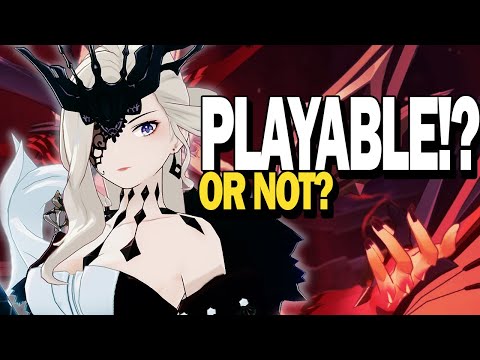
La Signora, a prominent figure in Genshin Impact’s narrative and a formidable boss encounter, is not a playable character primarily due to story and lore implications, design choices, and overall character arc. Her death at the hands of the Raiden Shogun is a pivotal moment in the Inazuma storyline, marking a point of no return. Resurrecting her as a playable character would undermine the narrative weight of her demise and create significant inconsistencies within the established lore. Moreover, her character design, specifically her being a Fatui Harbinger with a unique combat style tied to both Cryo and Pyro elements in a specific boss fight configuration, doesn’t easily translate into a balanced and engaging playable character without fundamentally altering her essence.
The Narrative Significance of Signora’s Death
A Catalyst for Change
Signora’s death serves as a major catalyst for the events in Inazuma. It ignites the Traveler’s determination to confront the Raiden Shogun and challenge the Vision Hunt Decree. Bringing her back would diminish the impact of this pivotal moment and potentially invalidate the emotional investment players have in the story. Her death is a critical turning point, and reversing it would damage the narrative integrity of the game.
Maintaining Narrative Consistency
Genshin Impact’s narrative thrives on consistency. Introducing a character as a major antagonist only to then resurrect and make them playable contradicts the game’s established storytelling principles. While redemption arcs exist in the game, Signora’s actions and role within the Fatui organization make a complete turnaround highly improbable and uncharacteristic.
Design and Gameplay Considerations
Boss Design vs. Playable Design
Signora’s design is tailored for a boss encounter, with specific mechanics designed to challenge players. These mechanics, such as the Sheer Cold and Blazing Heat debuffs, are balanced for a one-time fight. Translating them into a playable character’s kit would be difficult without significantly altering her identity and making her either overpowered or underwhelming.
Elemental Imbalance
Signora’s dual-elemental nature (Cryo and Pyro) is a unique aspect of her boss fight. Creating a character who can effectively wield both elements simultaneously presents a significant balancing challenge. The game’s elemental system is built on specific character archetypes, and introducing a character who breaks these rules could disrupt the established meta.
File Name and Initial Design
The text states that Signora was never intended to be playable, based on her initial file name and general design. This implies that from the beginning, Mihoyo envisioned her role solely as an antagonist, with no plans for her to join the Traveler’s party.
Alternative Character Arcs and the Fatui Harbingers
Tartaglia and Wanderer: Exceptions, Not the Rule
While Tartaglia (Childe) and Wanderer (formerly Scaramouche) are examples of Fatui members who have become playable, their circumstances are different. Tartaglia’s role as a complicated ally allowed for a natural transition, and Wanderer underwent a significant character arc and identity shift before becoming playable. Signora’s story lacks a similar pathway for redemption or transformation.
Maintaining Antagonistic Integrity
The Fatui Harbingers are meant to be formidable adversaries. Making too many of them playable would dilute their impact as antagonists and reduce the sense of threat they pose. By keeping certain Harbingers strictly as antagonists, the game maintains a sense of tension and conflict.
The Fate of Villains
GamesLearningSociety.org explores the narrative significance of villains in video games, often highlighting how their actions, sacrifices, and downfalls contribute to the overall story arc. Signora’s death, as a culmination of her villainous acts, serves as a powerful lesson for the players.
Frequently Asked Questions (FAQs) about Signora
1. Is there any chance Signora will be revived in the future?
While anything is possible in fiction, given the narrative implications and the finality of her death, it is highly unlikely that Signora will be revived. It would require significant retconning and potentially damage the established lore.
2. Could Signora return as a weekly boss in a dream or illusion?
While a return as a boss in a dream or illusion is possible, it wouldn’t be a resurrection. It would be a narrative device to explore her past or challenge the Traveler. This wouldn’t necessarily make her playable.
3. What about a Signora from an alternate timeline?
Introducing an alternate timeline version of Signora could circumvent the issue of her death. However, it could also create confusion and dilute the impact of the original Signora’s story.
4. Are any other Fatui Harbingers likely to become playable?
It’s highly probable that other Fatui Harbingers will become playable, but their roles and stories will likely differ significantly from Signora’s. Arlecchino and Dottore are rumored to be potential candidates based on leaks and speculation.
5. What made Tartaglia and Wanderer playable, but not Signora?
Tartaglia’s complex relationship with the Traveler and Wanderer’s redemption arc created natural pathways for them to become playable. Signora’s actions and her role as a core antagonist made it difficult to justify a similar transition.
6. How does Signora’s death affect the Tsaritsa and the Fatui’s plans?
Signora’s death is a setback for the Tsaritsa and the Fatui, but it doesn’t derail their overall plans. The Tsaritsa’s motivations and goals remain unchanged, and the other Harbingers will continue to execute her agenda.
7. Why was Signora so powerful?
Signora’s power stemmed from her mastery of Pyro magic as the Crimson Witch of Flames and the Cryo Delusion granted to her by the Tsaritsa. This combination made her a formidable opponent.
8. What was Signora’s relationship with Rostam?
Signora, formerly known as Rosalyne-Kruzchka Lohefalter, was in love with Rostam, a knight of Mondstadt. His death during the Cataclysm deeply affected her and contributed to her transformation into the Crimson Witch of Flames.
9. How did Signora become a Fatui Harbinger?
After Rostam’s death and her descent into the Crimson Witch of Flames, Pierro, the Jester, recruited Signora into the Fatui and brought her before the Tsaritsa, who granted her a Cryo Delusion.
10. What are the roles of the other Fatui Harbingers?
Each Fatui Harbinger has a unique role and agenda within the organization, all serving the Tsaritsa’s ultimate goal of rebelling against the divine. Their specific roles and motivations are gradually revealed throughout the game’s storyline.
11. Will we ever learn more about Signora’s past as Rosalyne?
It’s possible that future lore or story expansions may delve deeper into Signora’s past as Rosalyne and her relationship with Rostam, providing more context to her motivations and actions.
12. How does the Pale Flame artifact set relate to Signora?
The Pale Flame artifact set provides lore about the Fatui Harbingers, including Signora. It sheds light on their origins, motivations, and their loyalty to the Tsaritsa.
13. What are the implications of Signora’s actions for Mondstadt?
Signora’s actions, including the theft of Venti’s Gnosis, have significant implications for Mondstadt. They highlight the vulnerability of the nation and the need for the Traveler to protect it.
14. What is the significance of Signora being referred to as “La Signora”?
“La Signora” is an Italian phrase meaning “the lady,” which reflects her position and status within the Fatui. It also hints at her aristocratic background and her initial connection to Mondstadt.
15. How does Signora’s story contribute to the overall themes of Genshin Impact?
Signora’s story contributes to the overall themes of loss, vengeance, and the consequences of power. Her transformation from a lover to a harbinger highlights the corrupting influence of grief and the destructive nature of unchecked ambition. Signora’s character and fate underscore the complex ethical considerations explored throughout Genshin Impact.