Sony vs. Microsoft: Unraveling the Gaming Giants’ Battle
Fast answer first. Then use the tabs or video for more detail.
- Watch the video explanation below for a faster overview.
- Game mechanics may change with updates or patches.
- Use this block to get the short answer without scrolling the whole page.
- Read the FAQ section if the article has one.
- Use the table of contents to jump straight to the detailed section you need.
- Watch the video first, then skim the article for specifics.
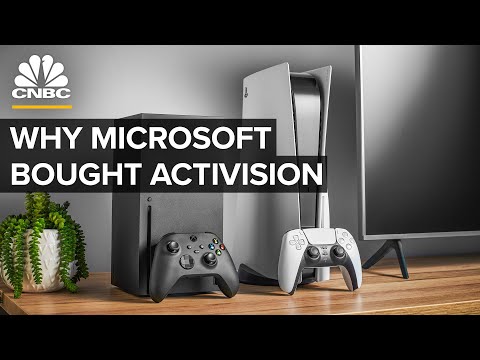
At the heart of the matter, Sony wasn’t actually suing Microsoft. The Federal Trade Commission (FTC), a U.S. government agency, was the entity that launched a lawsuit aimed at blocking Microsoft’s acquisition of Activision Blizzard. However, Sony actively opposed the merger and voiced significant concerns to regulators worldwide, making their perspective a crucial part of the FTC’s argument. Sony’s primary fear centered on the potential for Microsoft to leverage its ownership of Activision Blizzard, particularly the hugely popular Call of Duty franchise, to gain an unfair competitive advantage in the gaming market. This opposition, though not a direct lawsuit from Sony, fueled the regulatory scrutiny of the deal.
The Acquisition That Shook the Gaming World
Microsoft’s proposed $69 billion acquisition of Activision Blizzard sent shockwaves through the gaming industry. Activision Blizzard, a powerhouse developer and publisher, is responsible for iconic titles like Call of Duty, World of Warcraft, Overwatch, and Diablo. Acquiring such a diverse and valuable portfolio would significantly bolster Microsoft’s position in the gaming landscape, adding considerable strength to their Xbox console, the Game Pass subscription service, and their cloud gaming initiatives.
Sony’s Concerns: A Matter of Competition
Sony, the manufacturer of the PlayStation, recognized the potential ramifications of this acquisition. Their main worry was that Microsoft could make Activision Blizzard games, especially the blockbuster Call of Duty, exclusive to the Xbox ecosystem or offer them on PlayStation under less favorable terms.
Here’s why this was a concern:
- Console Exclusivity: Microsoft could choose to release future Call of Duty titles solely on Xbox, forcing PlayStation gamers to switch consoles to play the latest installments.
- Content Advantage: Microsoft could offer exclusive in-game content, early access, or other benefits to Xbox players, making the PlayStation version less appealing.
- Game Pass Integration: Integrating Call of Duty fully into Game Pass could incentivize gamers to subscribe to Microsoft’s service rather than purchasing the game on PlayStation.
Sony argued that any of these scenarios would harm competition, reduce consumer choice, and ultimately disadvantage PlayStation in the long run. They believed that Microsoft, with its vastly larger financial resources, could use Activision Blizzard’s games to “foreclose” competition. This means that the FTC and Sony worried that it would reduce the options that would be available to Sony and other companies and users in the gaming marketplace. The GamesLearningSociety.org website is a great place to learn more about the impacts of technology and games.
The FTC’s Intervention: Protecting Market Dynamics
The FTC shared Sony’s concerns. Their primary role is to enforce antitrust laws and prevent unfair business practices that could stifle competition and harm consumers. The FTC’s lawsuit aimed to prevent Microsoft from using its newfound market power to unfairly dominate the gaming industry. The FTC’s argument focused on three main areas:
- High-Performance Console Market: The FTC alleged that the acquisition would allow Microsoft to suppress competition in the high-performance console market, where Xbox and PlayStation directly compete.
- Subscription Gaming Market: The FTC argued that Microsoft could leverage its control over Activision Blizzard content to gain an unfair advantage in the subscription gaming market, dominated by Xbox Game Pass.
- Cloud Gaming Market: The FTC also expressed concerns about the impact on the emerging cloud gaming market, where Microsoft aims to be a leader.
The Resolution: A 10-Year Deal and the Acquisition’s Approval
Ultimately, after intense scrutiny from regulators around the world, Microsoft’s acquisition of Activision Blizzard was approved. A key factor in securing this approval was Microsoft’s agreement with Sony to keep Call of Duty on PlayStation for at least 10 years. This “binding agreement” alleviated some of the concerns about Microsoft’s potential to make the game exclusive to Xbox, allowing it to finalize the deal.
However, the story doesn’t end there. The dynamic between these gaming giants remains complex, and the long-term impact of the acquisition on competition and innovation in the gaming industry is still being observed.
Frequently Asked Questions (FAQs)
1. Did Sony actually sue Microsoft?
No, Sony did not directly sue Microsoft. The FTC, a U.S. government agency, filed a lawsuit to block the acquisition, citing concerns about unfair competition. Sony actively opposed the merger and provided information that supported the FTC’s case.
2. Why was Sony so against Microsoft buying Activision?
Sony feared that Microsoft could make Activision Blizzard games, especially Call of Duty, exclusive to Xbox or offer them on PlayStation under less favorable terms, harming competition.
3. What is the FTC’s role in this situation?
The FTC’s role is to enforce antitrust laws and prevent unfair business practices that could stifle competition and harm consumers.
4. What were the FTC’s main concerns about the Microsoft-Activision Blizzard deal?
The FTC was concerned about the potential impact on competition in the high-performance console market, subscription gaming market, and cloud gaming market.
5. What is the significance of the Call of Duty franchise?
Call of Duty is one of the best-selling and most popular video game franchises in the world, making it a valuable asset in the gaming market.
6. What is Game Pass, and why is it relevant to this situation?
Game Pass is Microsoft’s subscription service that offers access to a library of games for a monthly fee. Integrating Activision Blizzard games into Game Pass could incentivize gamers to subscribe to Microsoft’s service rather than purchasing the games on PlayStation.
7. What is a “binding agreement” in the context of the deal?
A “binding agreement” is a legally enforceable contract. In this case, Microsoft signed an agreement with Sony to keep Call of Duty on PlayStation for at least 10 years.
8. Did Microsoft eventually buy Activision Blizzard?
Yes, Microsoft completed its acquisition of Activision Blizzard after receiving regulatory approval.
9. What were the concessions Microsoft made to get the deal approved?
Microsoft made several concessions, including the 10-year agreement to keep Call of Duty on PlayStation.
10. How does this acquisition impact the gaming industry as a whole?
The acquisition is expected to have a significant impact on the gaming industry, potentially reshaping competition and innovation in the console, subscription, and cloud gaming markets.
11. Is Sony richer than Microsoft?
No, Microsoft is significantly richer than Sony. Microsoft’s market capitalization is much larger, and they also have substantially more cash on hand.
12. What is the long-term impact of the Microsoft-Activision Blizzard deal?
The long-term impact is still being observed. It will depend on how Microsoft integrates Activision Blizzard’s games and how they compete with Sony in the future.
13. What are some other studios Sony could acquire?
Some potential acquisition targets for Sony include Square Enix and CD Projekt RED.
14. Will PlayStation lose Call of Duty in the future?
Based on the 10-year agreement, Call of Duty will remain on PlayStation for at least 10 years following the acquisition. After that, the situation could change.
15. What is the metaverse trend, and how does it relate to Microsoft’s acquisition?
The metaverse trend refers to the idea of immersive, shared virtual worlds. Microsoft’s acquisition of Activision Blizzard was partly motivated by the desire to strengthen its position in the metaverse and consolidate its position in cloud gaming.