Decoding Hyrule: Why the Zelda Timeline is a Knot of Epic Proportions
Fast answer first. Then use the tabs or video for more detail.
- Watch the video explanation below for a faster overview.
- Game mechanics may change with updates or patches.
- Use this block to get the short answer without scrolling the whole page.
- Read the FAQ section if the article has one.
- Use the table of contents to jump straight to the detailed section you need.
- Watch the video first, then skim the article for specifics.
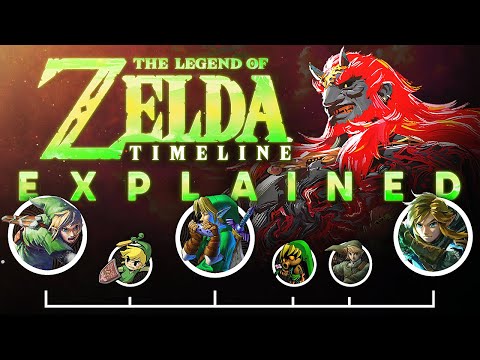
The Legend of Zelda timeline is famously, or perhaps infamously, complex. The core reason for this complexity stems from a confluence of factors: its retroactive creation, the introduction of time travel mechanics within the games themselves, multiple diverging timelines, and the fact that the series creators prioritized gameplay and individual story experiences over strict chronological consistency for a long time. Initially, each Zelda game was a standalone adventure. However, as the series grew, fans began speculating about connections. To quell these fan theories and provide context, Nintendo officially established a timeline with the release of Hyrule Historia in 2011. But this timeline, rather than clarifying things, solidified the convoluted nature of the Zelda universe. The timeline is split into three branches, each representing a different outcome following the events of Ocarina of Time: the Adult Timeline, the Child Timeline, and the Fallen Hero Timeline, adding layers of complexity for both casual players and devoted fans.
A Chronological Conundrum: Unraveling the Timeline’s Tangled Threads
The established timeline splits from Ocarina of Time based on how the Hero of Time’s journey concludes. If Link succeeds in defeating Ganondorf and remains in his adult form, the Adult Timeline is created (leading to Wind Waker, Phantom Hourglass, and Spirit Tracks). If Zelda sends Link back to his childhood to warn the royal family of Ganondorf’s treachery, the Child Timeline comes into being (leading to Majora’s Mask, Twilight Princess, and Four Swords Adventures). Finally, if Link fails to defeat Ganondorf, the Fallen Hero Timeline emerges (leading to A Link to the Past, Oracle of Seasons/Ages, Link’s Awakening, The Legend of Zelda, and The Adventure of Link). Each of these timelines contains multiple games, creating a vast and intricate web of events, characters, and recurring themes. This initial split is arguably what makes the Zelda timeline so complex, as understanding the branching paths is crucial to grasping the overall narrative.
Furthermore, Nintendo has never been entirely rigid about adhering to the established timeline. While they use it as a framework, they’re also willing to prioritize creating compelling gameplay experiences. This means new games may not always fit neatly into the existing timeline or might even contradict established lore, further complicating matters. For example, Breath of the Wild and Tears of the Kingdom are placed at the very end of all three timelines, converging them into a distant future. This placement provides freedom, but also causes debate.
Ultimately, the Zelda timeline’s complexity is a reflection of the series’ rich history and its creators’ willingness to prioritize innovation and player experience. The timeline provides a framework for understanding the series, but it shouldn’t be viewed as a rigid constraint that detracts from the individual games’ stories.
Frequently Asked Questions (FAQs) about the Zelda Timeline
Here are some frequently asked questions to clarify the various aspects of the complicated Zelda timeline.
Is the Zelda timeline made up?
Yes, the Zelda timeline is a retrospective creation. The initial games were designed as standalone experiences, and Nintendo only formalized the timeline much later, with the release of Hyrule Historia in 2011.
Why is the Zelda timeline split?
The timeline split originates from Ocarina of Time, where Zelda sends Link back in time. The three timelines represent three different outcomes of this event: Link succeeds as an adult (Adult Timeline), Link warns the Royal Family as a child (Child Timeline), and Link is defeated (Fallen Hero Timeline).
Is the Zelda timeline still canon?
Generally, mainline Zelda games are considered canon, while spin-offs are less certain. However, Nintendo has shown flexibility in interpreting the timeline, suggesting they value individual game experiences over strict chronological adherence.
Does Nintendo care about the Zelda timeline?
Nintendo acknowledges the Zelda timeline, as evidenced by Hyrule Historia and other official sources. However, they also prioritize gameplay and storytelling in individual games, which means they’re willing to deviate from the timeline if it serves the game’s design. It’s a useful framework, not a strict law.
What is Hyrule Historia?
Hyrule Historia is an official book released by Nintendo that provides an overview of the Zelda timeline, along with concept art and other behind-the-scenes information about the series. It’s considered the primary source for the official timeline.
Where do Breath of the Wild and Tears of the Kingdom fit in the timeline?
Nintendo has placed both Breath of the Wild and Tears of the Kingdom at the very end of all three timelines, suggesting a convergence of sorts. However, their exact position and connection to the other games remain a topic of debate among fans.
What is the Fallen Hero Timeline?
The Fallen Hero Timeline depicts a scenario where Link fails to defeat Ganondorf in Ocarina of Time. This timeline leads to events in games like A Link to the Past and The Legend of Zelda.
How does time travel affect the Zelda timeline?
Time travel is a core mechanic in several Zelda games and is the primary reason for the timeline’s split. It creates alternate realities and diverging timelines based on the actions taken in the past.
Is it necessary to understand the Zelda timeline to enjoy the games?
No, understanding the Zelda timeline is not necessary to enjoy the games. Each Zelda game offers a self-contained story and gameplay experience. The timeline provides additional context for those interested in the lore, but it’s not a prerequisite for playing.
What is the significance of the Triforce in the Zelda timeline?
The Triforce is a powerful artifact that represents the three goddesses who created Hyrule. It plays a central role in many Zelda games, and its fate often shapes the events of the timeline. Each piece embodies Courage, Wisdom, and Power.
Are all versions of Link and Zelda the same person across the timeline?
No, each game features different incarnations of Link and Zelda, though they often share similar characteristics and a connection to the goddess Hylia. They are reborn throughout time to combat evil.
What are some common fan theories about the Zelda timeline?
Fan theories abound, attempting to explain various inconsistencies and connect the dots between games. Some theories focus on merging timelines, identifying the “true” timeline, or explaining the origins of certain characters and items. The Games Learning Society community often participates in discussing and developing these theories.
How does the Zelda timeline impact game development?
While Nintendo prioritizes gameplay, the Zelda timeline can influence the development of new games by providing a framework for lore and continuity. However, developers also have the freedom to create unique stories that may not perfectly align with the established timeline, and these efforts can be explored via the GamesLearningSociety.org.
Does the Zelda timeline explain everything about the Zelda universe?
No, the Zelda timeline doesn’t explain everything. There are still gaps and inconsistencies, and Nintendo intentionally leaves some elements ambiguous to encourage player interpretation and speculation. This ambiguity is part of what makes the Zelda universe so fascinating.
Why is the Zelda timeline so debated among fans?
The Zelda timeline is debated because of its complexity, inconsistencies, and the fact that Nintendo has been willing to reinterpret or bend the established timeline to suit the needs of new games. This leads to ongoing discussions and different interpretations among fans.
Conclusion: Embrace the Chaos of Hyrule’s History
The Zelda timeline is undoubtedly complex, a tangled knot of timelines and lore. However, this complexity is also a testament to the series’ rich history and the creativity of its creators. While understanding the timeline can enhance your appreciation of the Zelda universe, it’s not essential for enjoying the individual games. Ultimately, the Legend of Zelda is about adventure, heroism, and the eternal struggle between good and evil, regardless of where it fits within the grand timeline. So, embrace the chaos, explore Hyrule, and forge your own legend.