Why is the Play Store Closing? Unraveling the Rumors
Fast answer first. Then use the tabs or video for more detail.
- Watch the video explanation below for a faster overview.
- Game mechanics may change with updates or patches.
- Use this block to get the short answer without scrolling the whole page.
- Read the FAQ section if the article has one.
- Use the table of contents to jump straight to the detailed section you need.
- Watch the video first, then skim the article for specifics.
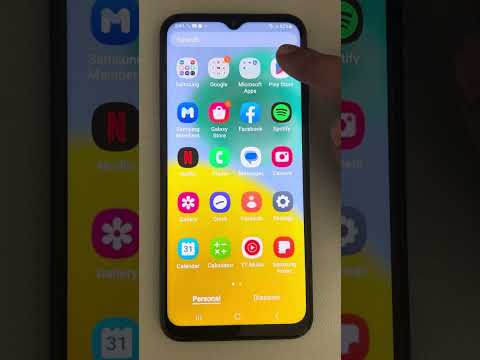
The direct answer is: The Google Play Store is NOT closing. Rumors circulating about the Play Store shutting down are, at best, misinterpretations of other events, and at worst, outright fabrications. While Google routinely makes changes to its services, deprecates older features, and yes, even sunsets entire apps or programs, the Play Store itself – the central hub for Android app distribution – remains a core component of the Android ecosystem and has no plans to shut down. These rumors likely stem from confusion surrounding the closure of specific Google services related to the Play Store, such as older APIs or developer tools, or from misunderstanding news about regional restrictions or app removals. Rest assured, the primary source for accessing and downloading apps on Android devices is here to stay.
Dissecting the Misinformation: Where Did These Rumors Come From?
Understanding why these rumors arise requires a closer look at Google’s operations. Google is constantly evolving, experimenting with new technologies, and refining its existing services. This often means:
-
Sunseting old APIs and Services: Google frequently retires older versions of APIs (Application Programming Interfaces) or entire services that are no longer considered efficient or secure. For example, they might discontinue support for an outdated advertising API, forcing developers to upgrade. This can be misinterpreted as a sign of the Play Store itself failing.
-
App Removals: Apps that violate the Play Store’s policies, such as containing malware, promoting harmful content, or violating privacy rules, are routinely removed. A high-profile app removal could be sensationalized, leading some to believe the entire platform is in jeopardy.
-
Regional Restrictions: Google may restrict access to certain apps or services in specific regions due to legal or regulatory requirements. This localized change can be blown out of proportion and misinterpreted as a global shutdown.
-
Focus on Newer Distribution Methods: While the Play Store remains dominant, Google also explores alternative app distribution methods like Android App Bundles and improved web-based app installations. This may create the perception that the Play Store is becoming less important, even though it remains the primary channel for most users.
-
Developer Policy Changes: New rules about app development, data privacy, or revenue sharing can sometimes cause friction with developers. Disgruntled developers might spread misinformation, contributing to the rumors.
Ultimately, the rumors about the Play Store closing are unfounded. Google has invested heavily in the platform, and it remains essential for both developers and users.
The Ongoing Evolution of the Google Play Store
Instead of closing, the Google Play Store is continuously evolving. Google is actively working on improving its security, user experience, and developer tools. Some key areas of focus include:
-
Enhanced Security Measures: Protecting users from malware and harmful apps is a top priority. Google is constantly updating its security algorithms and implementing new measures to detect and remove malicious apps.
-
Improved App Discovery: Helping users find the apps they need is crucial. Google is working on improving its search algorithms and recommendation systems to make it easier for users to discover new and relevant apps.
-
Developer Support: Google is committed to providing developers with the resources and support they need to create high-quality apps. This includes providing access to new APIs, tools, and documentation. The Games Learning Society is an excellent resource for developers looking to understand the educational potential of games, and can be accessed at https://www.gameslearningsociety.org/.
-
Focus on Privacy: With increasing concerns about data privacy, Google is working to provide users with more control over their data and to ensure that developers are transparent about how they collect and use user data.
-
Adapting to New Technologies: The Play Store is also adapting to emerging technologies like augmented reality (AR), virtual reality (VR), and foldable devices, ensuring that it remains relevant in the ever-changing mobile landscape.
Separating Fact from Fiction
It’s crucial to critically evaluate information before believing rumors. Always verify information from reliable sources, such as Google’s official announcements or reputable tech news outlets. Don’t rely solely on social media posts or unsubstantiated claims. Remember that sensationalism often drives online traffic, so be wary of headlines that seem designed to shock or alarm you.
FAQs About the Google Play Store
Here are 15 frequently asked questions to further clarify the situation and address common concerns about the Google Play Store.
1. Will I lose access to my purchased apps if the Play Store closes?
No. Since the Play Store is NOT closing, you won’t lose access to your purchased apps. Even if it were to close (which it isn’t), Google would likely provide a mechanism to download and install your purchased apps through alternative means.
2. What happens to app updates if the Play Store disappears?
Again, the Play Store is not disappearing. If it were to hypothetically disappear, app updates would become more challenging. Developers would need to distribute updates through alternative channels, such as direct downloads from their websites, or other app stores.
3. Are alternative app stores like APKPure a reliable replacement for the Play Store?
Alternative app stores can be an option, but they often come with security risks. Apps downloaded from unofficial sources may not be vetted for malware or other security vulnerabilities. Use them with caution.
4. Will Android phones still function without the Play Store?
Yes, Android phones can function without the Play Store. However, downloading and updating apps would become significantly more difficult. Some core system features might also be affected if they rely on Play Services, a separate but related service from Google.
5. Is Google phasing out the Play Store in favor of a different app distribution method?
Google is exploring alternative app distribution methods, but the Play Store remains its primary focus and there’s no indication of phasing it out. These new methods are intended to complement, not replace, the Play Store.
6. What are the benefits of using the Play Store over alternative app stores?
The Play Store offers several key advantages, including: a robust security system, automatic app updates, a wide selection of apps, and integration with Google services.
7. How can I ensure the apps I download from the Play Store are safe?
Pay attention to app permissions, read user reviews, and check the developer’s reputation. Google also provides security features like Google Play Protect, which scans apps for malware.
8. What is Google Play Protect, and how does it work?
Google Play Protect is Google’s built-in malware protection for Android. It scans apps before you download them and regularly checks your device for potentially harmful apps.
9. Why are some apps not available in my country on the Play Store?
App availability can vary by country due to legal restrictions, content licensing agreements, or developer choices.
10. What should I do if I encounter a suspicious app on the Play Store?
Report the app to Google through the Play Store’s reporting mechanism. This helps Google identify and remove potentially harmful apps.
11. Can I still use apps I sideloaded (installed from outside the Play Store) if the Play Store closes?
Yes, you can still use sideloaded apps. However, remember that sideloading apps can pose security risks, so only do it if you trust the source of the app.
12. What is the future of app distribution on Android devices?
The future likely involves a mix of distribution methods, with the Play Store remaining central but with increased adoption of Android App Bundles and improved web-based app installations.
13. How does the Play Store handle app privacy and user data?
Google has strict policies regarding app privacy and user data. Developers are required to disclose how they collect and use user data, and users have control over app permissions.
14. Are paid apps on the Play Store refundable?
Yes, Google typically offers a refund window for paid apps, usually within 48 hours of purchase. Check the Play Store’s refund policy for specific details.
15. What role does the Play Store play in game development and distribution?
The Play Store is a crucial platform for game developers to reach a massive audience. It provides tools for game discovery, distribution, and monetization. The Games Learning Society (GamesLearningSociety.org) further enhances the impact of games by promoting their educational applications.
In conclusion, dismiss the rumors about the Play Store closing. It is a vital part of the Android ecosystem and will continue to evolve and improve. Focus on reliable information sources and enjoy the wealth of apps available on the Google Play Store.