Unleash Your Inner Wild: Why You Should Play a Druid
Fast answer first. Then use the tabs or video for more detail.
- Watch the video explanation below for a faster overview.
- Game mechanics may change with updates or patches.
- Use this block to get the short answer without scrolling the whole page.
- Read the FAQ section if the article has one.
- Use the table of contents to jump straight to the detailed section you need.
- Watch the video first, then skim the article for specifics.
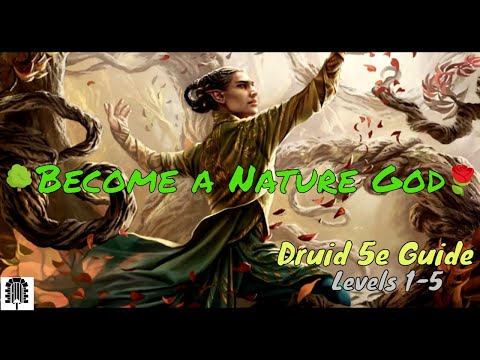
Why should you play a Druid? Because you crave versatility, embody the raw power of nature, and want to be the ultimate adaptable champion. The Druid is a master of transformation, a potent spellcaster, and a vital link between the civilized world and the untamed wilderness. If you seek a character who can shift seamlessly from devastating damage dealer to resilient tank to life-saving healer, all while embodying a deep connection to the natural world, then the Druid is calling your name.
Embracing the Multifaceted Nature of the Druid
The Druid isn’t just a class; it’s a philosophy. It’s about understanding the balance of nature, respecting its power, and using that power to protect it (or exploit it, depending on your character’s moral compass). This core concept allows for immense roleplaying opportunities. Are you a fierce protector of the forest, a wise advisor to a village nestled in the woods, or a vengeful force against those who despoil the land? The possibilities are endless.
The Power of Wild Shape
Perhaps the most iconic feature of the Druid is Wild Shape. This ability allows you to transform into a variety of animals, each offering unique combat capabilities and utility. Need to scout ahead? Turn into a bird and soar through the skies. Need to crush your enemies? Transform into a bear and unleash your primal fury. Wild Shape isn’t just about combat; it’s about problem-solving and exploration. Imagine squeezing through a tiny crack as a mouse or swimming across a treacherous river as a fish.
A Spellcaster Rooted in Nature
Beyond Wild Shape, Druids are formidable spellcasters. Their spell list emphasizes control, healing, and nature-based damage. They have access to powerful area-of-effect spells like Entangle and Spike Growth, which can control the battlefield and turn the tide of combat. They can summon the forces of nature with spells like Call Lightning and Conjure Animals. And when their allies are wounded, they can provide vital healing with spells like Healing Word and Mass Cure Wounds. Unlike some other spellcasters, Druids prepare their spells after each long rest, giving them incredible flexibility to adapt their spell selection to the challenges ahead. This is a great example of the power of games based learning!
Versatility Redefined
The Druid’s combination of Wild Shape and spellcasting makes them one of the most versatile classes in the game. They can fill almost any role in a party, adapting to the needs of the moment. This versatility extends beyond combat. They are skilled in Nature, Survival, and Medicine, making them invaluable assets in exploration and social encounters.
Roleplaying a Druid: More Than Just a Class
The Druid class provides a rich backdrop for unique and engaging characters. Here are some roleplaying aspects to consider:
- Alignment: Druids are often associated with a Neutral alignment, representing their commitment to the balance of nature. However, this isn’t a requirement. You can play a Good Druid who seeks to protect the innocent, an Evil Druid who seeks to dominate nature, or anything in between.
- Background: Your Druid’s background can be anything from a hermit living in the wilderness to a scholar studying ancient lore. Consider how your background has shaped your connection to nature and your motivations as a Druid.
- Deity: While not all Druids worship a specific deity, many are devoted to a god or goddess of nature, such as Silvanus, Obad-Hai, or Ehlonna. This can add another layer to your character’s motivations and beliefs.
- Circle: The Druid class features several subclasses, called Circles, each with its own unique focus and abilities. These can range from the Circle of the Moon, which emphasizes Wild Shape, to the Circle of the Land, which grants access to additional spells, to the Circle of Spores, which focuses on the cycle of life and death.
Frequently Asked Questions (FAQs) About Playing a Druid
Here are 15 frequently asked questions about playing a Druid, designed to give you a deeper understanding of this amazing class:
-
What are the best races for a Druid? While any race can be a Druid, some races have natural affinities that make them particularly well-suited. Wood Elves and Wood Half-Elves gain a bonus to Wisdom (the Druid’s primary stat) and increased movement speed. Hill Dwarves also gain a bonus to Wisdom and increased hit points, making them more durable.
-
Is a Druid a good class for beginners? Yes, Druids can be a great choice for beginners. Their ability to prepare spells after each long rest makes them more forgiving than spellcasters with fixed spell lists. While some Druid subclasses can be complex, others, like the Circle of the Land, are relatively straightforward to play.
-
What are the most important stats for a Druid? Wisdom is the most important stat for a Druid, as it determines their spellcasting ability and many of their skills. Constitution is also important, as it increases their hit points and helps them maintain concentration on spells. Dexterity is useful for increasing their Armor Class (AC).
-
What are the best spells for a Druid? Some of the best Druid spells include:
- Healing Word: A quick and efficient way to heal allies.
- Entangle: A powerful area-of-effect control spell.
- Spike Growth: Deals damage to enemies who move through the affected area.
- Call Lightning: A potent damage spell that can be used repeatedly.
- Conjure Animals: Summons a group of creatures to fight alongside you.
- Moonbeam: A versatile spell that deals radiant damage and can disrupt shapechangers.
-
How does Wild Shape work? At level 2, Druids gain the Wild Shape ability, which allows them to transform into beasts. The specific beasts they can transform into depend on their level and subclass. When you transform, you gain the beast’s hit points, abilities, and senses, but you retain your own personality, alignment, and Intelligence, Wisdom, and Charisma scores.
-
Can Druids wear metal armor? Druids traditionally avoid wearing metal armor, as it is seen as a symbol of civilization and a barrier to their connection with nature. However, some DMs may allow Druids to wear specially crafted metal armor that has been altered to be more in harmony with nature.
-
What is the role of a Druid in a party? Druids can fill a variety of roles in a party, including:
- Healer: Providing healing and support to allies.
- Tank: Absorbing damage and protecting allies using Wild Shape.
- Damage Dealer: Dealing damage with spells and Wild Shape attacks.
- Controller: Controlling the battlefield with spells like Entangle and Spike Growth.
- Scout: Exploring ahead in animal form.
-
What are the different Druid subclasses (Circles)? The Druid class features several subclasses, each with its own unique focus and abilities. Some popular Circles include:
- Circle of the Moon: Emphasizes Wild Shape and combat in animal form.
- Circle of the Land: Grants access to additional spells and benefits from specific terrains.
- Circle of the Shepherd: Focuses on summoning creatures and supporting allies.
- Circle of Spores: Centers around the cycle of life and death, and using spores to enhance their abilities.
- Circle of Wildfire: Harnesses the destructive and restorative power of fire.
-
Are Druids good or evil? Druids can be of any alignment. While they are often associated with a Neutral alignment, representing their commitment to the balance of nature, they can also be Good, Evil, or anything in between. It all depends on your character’s individual beliefs and motivations.
-
How do I roleplay a Druid? When roleplaying a Druid, consider their connection to nature, their views on civilization, and their motivations for protecting or exploiting the natural world. Are they a fierce protector of the forest, a wise advisor to a village, or a vengeful force against those who despoil the land?
-
What skills are important for a Druid? Key skills for a Druid include:
- Nature: To understand the natural world and identify plants and animals.
- Survival: To navigate and survive in the wilderness.
- Medicine: To heal injuries and illnesses using natural remedies.
- Perception: To notice details and dangers in their surroundings.
- Insight: To understand the motivations and feelings of others.
-
Can Druids multiclass effectively? Yes, Druids can multiclass effectively, particularly with classes that share their focus on Wisdom, such as Cleric or Ranger. However, multiclassing can delay their access to higher-level Druid spells and Wild Shape forms. The GamesLearningSociety.org website could offer further insights on character builds through discussions within the community.
-
How does the Druid’s relationship with civilization affect their gameplay? A Druid’s view of civilization greatly impacts their roleplaying and decision-making. A Druid who distrusts civilization might prioritize protecting wilderness areas and resisting encroachment. Conversely, one who sees value in a balance between nature and society may work to guide settlements towards sustainable practices.
-
Are there any downsides to playing a Druid? While Druids are incredibly versatile, they can be complex to play effectively, especially for beginners. Managing Wild Shape forms, spell selection, and subclass features can be challenging. Additionally, their reliance on Wisdom can make them vulnerable to mental attacks.
-
What is the origin of the Druid class in D&D? The Druid class in Dungeons & Dragons is inspired by the historical Druids of Celtic cultures, who were priests, scholars, and advisors. However, the D&D Druid class also draws inspiration from fantasy literature and folklore, creating a unique and powerful character archetype.
Embrace the Wild Within
The Druid is more than just a class; it’s an experience. It’s a journey into the heart of nature, a chance to wield its power, and a responsibility to protect its delicate balance. So, if you’re looking for a character who is versatile, powerful, and deeply connected to the world around them, then embrace the wild within and play a Druid. You won’t regret it.