Why CS 1.6 Dominated Source: A Deep Dive into Counter-Strike’s Divides
Fast answer first. Then use the tabs or video for more detail.
- Watch the video explanation below for a faster overview.
- Game mechanics may change with updates or patches.
- Use this block to get the short answer without scrolling the whole page.
- Read the FAQ section if the article has one.
- Use the table of contents to jump straight to the detailed section you need.
- Watch the video first, then skim the article for specifics.
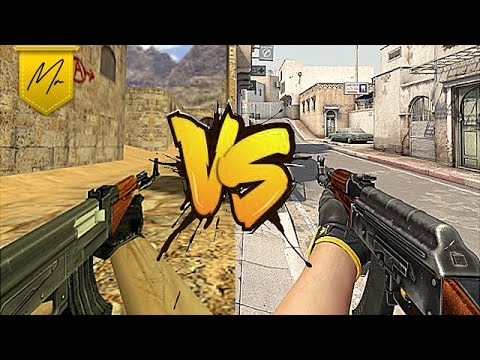
The question of why Counter-Strike 1.6 (often referred to as CS 1.6) achieved significantly greater popularity than Counter-Strike: Source (CS:S) is complex, involving a blend of gameplay feel, community inertia, hardware limitations, and competitive landscape factors. The core reason boils down to this: CS 1.6 had already established itself as the definitive competitive FPS, and CS:S, despite its visual improvements, simply didn’t offer enough compelling reasons for professional players and the wider community to abandon the well-honed mechanics and established ecosystem of 1.6. Furthermore, many players believed CS 1.6 gameplay was more balanced and skill-based, leading to a stronger competitive scene.
Understanding the Roots of 1.6’s Dominance
The Power of Inertia
CS 1.6 inherited the legacy of earlier Counter-Strike iterations. By the time CS:S arrived, 1.6 was deeply embedded in the competitive gaming culture. Clans, leagues, and a whole generation of players had invested countless hours mastering its intricacies. This existing ecosystem created a powerful inertia. Convincing an established player base to switch required more than just prettier graphics; it needed a fundamentally superior experience.
Gameplay vs. Graphics: The Priority Shift
CS:S’s primary selling point was its updated Source engine graphics. While aesthetically pleasing, many players felt these improvements came at the cost of gameplay. Some argued that hitboxes were less precise, movement felt different, and the overall experience was less responsive. In a game where milliseconds matter, these subtle differences were significant. For professional players, the perception of a less competitive or less “fair” game was a deal-breaker.
Hardware Requirements and Accessibility
In the early to mid-2000s, not everyone had access to high-end gaming PCs. CS 1.6’s low system requirements meant it could run smoothly on a wider range of machines, making it more accessible to a global audience. CS:S, with its more demanding graphics, required better hardware, potentially excluding a portion of the player base, especially in regions with less developed infrastructure. This accessibility contributed to 1.6’s widespread adoption.
The Competitive Scene and Tournament Support
The competitive scene is the lifeblood of any multiplayer game. CS 1.6 had a well-established tournament circuit with significant prize pools and a strong following. CS:S, while receiving some support, struggled to gain the same traction. Without the promise of lucrative competitions and the established infrastructure, professional teams and organizations had little incentive to switch. The lack of high-profile CS:S tournaments further solidified 1.6’s position as the premier competitive title.
Community Perception and “Feel”
Beyond objective metrics, a significant portion of 1.6’s popularity stemmed from its “feel.” Players grew accustomed to the game’s movement, weapon recoil, and overall responsiveness. CS:S, despite being a successor, felt different. This difference, however subtle, was enough to alienate many players. For some, it was simply a matter of personal preference; they preferred the fast-paced, arcade-like feel of 1.6. This is an example of how Games Learning Society studies how players relate to games on a emotional level.
The Modding Scene and Custom Content
CS 1.6 had a thriving modding community. Custom maps, skins, and game modes extended the game’s lifespan and provided endless variety. While CS:S also had modding potential, it didn’t reach the same level of popularity or impact as the 1.6 modding scene. This custom content kept 1.6 fresh and engaging, contributing to its enduring appeal.
Frequently Asked Questions (FAQs)
1. Is CS 1.6 still playable today?
Yes, absolutely. While its peak player base has declined, many servers and online communities dedicated to CS 1.6 still thrive. You can purchase and play it through Steam.
2. What are the key differences in gameplay between CS 1.6 and CS:S?
Key differences include movement mechanics, weapon recoil patterns, and overall responsiveness. Many players found CS 1.6 to have more precise hitboxes and a faster pace.
3. Why did Valve release CS:S if CS 1.6 was so popular?
Valve aimed to update the Counter-Strike experience with improved graphics and features using the Source engine. It was an attempt to modernize the game while retaining its core appeal.
4. Did CS:S ever become more popular than CS 1.6?
No, CS:S never surpassed CS 1.6 in terms of overall popularity, especially within the professional competitive scene. CS 1.6 remained the dominant title for several years.
5. What role did hardware limitations play in CS 1.6’s popularity?
CS 1.6’s lower system requirements made it accessible to a wider audience, particularly in regions with less advanced hardware infrastructure. CS:S required more powerful PCs, limiting its reach.
6. How did the competitive scene influence the popularity of each game?
CS 1.6 had a well-established competitive scene with major tournaments and substantial prize pools. CS:S struggled to gain the same traction, leading professional teams and organizations to stick with 1.6.
7. Was there a significant difference in the skill ceiling between CS 1.6 and CS:S?
Many players believed CS 1.6 had a higher skill ceiling due to its more demanding mechanics and precise gameplay. Mastering CS 1.6 was seen as a greater accomplishment.
8. How did the modding community impact the longevity of CS 1.6?
The vibrant modding community created countless custom maps, skins, and game modes, keeping CS 1.6 fresh and engaging for years. This contributed significantly to its enduring appeal.
9. What were some common criticisms of CS:S gameplay?
Common criticisms included imprecise hitboxes, a “floaty” feel to the movement, and a perceived lack of balance in weapon performance.
10. What ultimately led to the decline of CS 1.6?
The eventual rise of Counter-Strike: Global Offensive (CS:GO) as the premier competitive title and the gradual phasing out of official support for 1.6 contributed to its decline.
11. Is there a “definitive” reason why CS 1.6 was more popular?
No single reason explains it all. It was a combination of existing popularity, gameplay preferences, hardware constraints, competitive landscape, and community inertia.
12. What is the legacy of CS 1.6?
CS 1.6 is considered a legendary title in the history of esports. It helped define the genre of competitive FPS and paved the way for future iterations of Counter-Strike.
13. How does CS:GO compare to CS 1.6 and CS:S in terms of popularity?
CS:GO eventually became far more popular than both CS 1.6 and CS:S, largely due to its improved gameplay, competitive support, and modern features. It now has been replaced by Counter-Strike 2.
14. What made Counter-Strike: Global Offensive more successful than CS:S?
CS:GO addressed many of the criticisms leveled against CS:S, offering a more refined and balanced gameplay experience. Valve also provided significant support for the competitive scene, ensuring its long-term success.
15. Is Counter-Strike 2 going to replace Counter-Strike: Global Offensive?
Yes. CS2 completely replaced CS:GO. It has taken over its spot in the Steam store and retained all previous reviews and items.
The Enduring Appeal of Counter-Strike
Ultimately, the success of any game hinges on its ability to captivate players and foster a thriving community. While CS:S offered visual improvements, it failed to resonate with the established player base of CS 1.6 in the same way. The legacy of Counter-Strike 1.6 is a testament to the importance of gameplay feel, competitive balance, and community support in creating a truly enduring gaming experience. As the GamesLearningSociety.org explores, the reasons for a game’s popularity often go beyond simple mechanics, delving into the social and cultural contexts that shape player engagement.